AI’s Role in Revolutionizing Skin Cancer Diagnosis


In a groundbreaking study published by Nature on May 14, 2024, researchers have delved into the burgeoning field of artificial intelligence (AI) in dermatology. The systematic review and meta-analysis focus on AI’s efficacy compared to human clinicians in diagnosing skin cancer, a disease that remains the most common neoplasm worldwide.

AI vs. Clinicians: A Comparative Analysis


The study highlights a comprehensive comparison between AI algorithms and human clinicians, including experienced dermatologists and general practitioners. It reveals that AI can match or even surpass specialists in accuracy, particularly in categorizing skin lesions as benign or malignant. This finding underscores AI’s potential to transform dermatological practices by enhancing diagnostic precision.

Augmented Intelligence in Medical Practices


One of the study’s pivotal insights is the concept of ‘augmented intelligence,’ where AI is integrated into medical practices to assist clinicians. This approach is especially beneficial for generalists and non-specialist clinicians, bolstering their diagnostic capabilities. The study suggests that AI’s collaboration with human expertise can lead to improved diagnostic outcomes, particularly in primary care settings.

Broader Trends in Healthcare


The increasing use of AI in dermatology mirrors a broader trend of incorporating advanced technologies in healthcare to enhance diagnostic accuracy. The structured research approach, using systematic reviews and meta-analyses, consolidates evidence from various studies, providing a quantitative assessment of AI’s capabilities in clinical scenarios.

References and Further Reading


For those interested in further exploring the topic, the original article references key studies such as Lakhani et al.’s work on skin cancer screening, Wu et al.’s systematic review on deep learning in skin cancer classification, and Jones et al.’s review of AI and machine learning algorithms for early skin cancer detection. These studies are accessible through their respective publications:

Conclusion


This study marks a significant step towards embracing AI in clinical settings, with the potential to revolutionize how skin cancer is diagnosed and managed. It calls for further real-world studies and randomized clinical trials to fully realize AI’s benefits in healthcare.

More Articles

Getting licensed or staying ahead in your career can be a journey—but it doesn’t have to be overwhelming. Grab your favorite coffee or tea, take a moment to relax, and browse through our articles. Whether you’re just starting out or renewing your expertise, we’ve got tips, insights, and advice to keep you moving forward. Here’s to your success—one sip and one step at a time!

2025 Commercial Real Estate Outlook: Navigating a New Era

The commercial real estate landscape is on the brink of transformation as leaders seek to navigate the challenges of recent years and position their organizations for future opportunities.

The Emerging Mental Health Crisis Among Healthcare Workers During the COVID-19 Pandemic

The pandemic has ushered in a wave of mental health challenges that affect healthcare workers profoundly. From the onset of COVID-19, these professionals have been at the forefront, facing immense pressure, long hours, and the constant fear of exposure.

By |December 18, 2024|Categories: Article, Healthcare Workers, Mental Health|Tags: , |0 Comments

Ethical Concerns of Large Language Models in Healthcare

Exploring the dual nature of LLMs offers substantial benefits in healthcare but also raises significant ethical concerns, underscoring the need for well-defined guidelines and human oversight.

The Role of Wearable Devices in Chronic Disease Monitoring and Patient Care: A Comprehensive Review

Wearable devices have become integral in managing chronic conditions by providing continuous health data, empowering patients and healthcare professionals with insights that were previously unattainable.

AI Training Mandates: Navigating Legal Waters in Dentistry

The integration of artificial intelligence (AI) into dental practices is more than a technological trend; it represents a seismic shift in the industry. This transformation is reshaping skill sets and prompting a thorough examination of legal and ethical implications.

By |December 17, 2024|Categories: Article, Legal, Technology|Tags: , |0 Comments

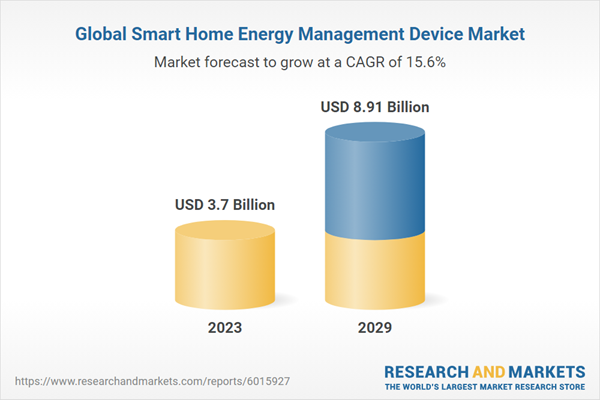
Smart Home Energy Management Devices: A Market Poised for Growth

The Global Smart Home Energy Management Device Market is on the brink of a significant transformation, driven by escalating demands for energy-efficient solutions and the increasing adoption of smart home technologies.