AI’s Role in Revolutionizing Skin Cancer Diagnosis


In a groundbreaking study published by Nature on May 14, 2024, researchers have delved into the burgeoning field of artificial intelligence (AI) in dermatology. The systematic review and meta-analysis focus on AI’s efficacy compared to human clinicians in diagnosing skin cancer, a disease that remains the most common neoplasm worldwide.

AI vs. Clinicians: A Comparative Analysis


The study highlights a comprehensive comparison between AI algorithms and human clinicians, including experienced dermatologists and general practitioners. It reveals that AI can match or even surpass specialists in accuracy, particularly in categorizing skin lesions as benign or malignant. This finding underscores AI’s potential to transform dermatological practices by enhancing diagnostic precision.

Augmented Intelligence in Medical Practices


One of the study’s pivotal insights is the concept of ‘augmented intelligence,’ where AI is integrated into medical practices to assist clinicians. This approach is especially beneficial for generalists and non-specialist clinicians, bolstering their diagnostic capabilities. The study suggests that AI’s collaboration with human expertise can lead to improved diagnostic outcomes, particularly in primary care settings.

Broader Trends in Healthcare


The increasing use of AI in dermatology mirrors a broader trend of incorporating advanced technologies in healthcare to enhance diagnostic accuracy. The structured research approach, using systematic reviews and meta-analyses, consolidates evidence from various studies, providing a quantitative assessment of AI’s capabilities in clinical scenarios.

References and Further Reading


For those interested in further exploring the topic, the original article references key studies such as Lakhani et al.’s work on skin cancer screening, Wu et al.’s systematic review on deep learning in skin cancer classification, and Jones et al.’s review of AI and machine learning algorithms for early skin cancer detection. These studies are accessible through their respective publications:

Conclusion


This study marks a significant step towards embracing AI in clinical settings, with the potential to revolutionize how skin cancer is diagnosed and managed. It calls for further real-world studies and randomized clinical trials to fully realize AI’s benefits in healthcare.

More Articles

Getting licensed or staying ahead in your career can be a journey—but it doesn’t have to be overwhelming. Grab your favorite coffee or tea, take a moment to relax, and browse through our articles. Whether you’re just starting out or renewing your expertise, we’ve got tips, insights, and advice to keep you moving forward. Here’s to your success—one sip and one step at a time!

UAE’s Vision for Desert Expansion and Urban Innovation

The UAE is set to transform its expansive desert landscapes into thriving residential communities, aligning with the nation's commitment to harnessing natural resources and the '15-minute city' model.

By |December 12, 2024|Categories: Article, Sustainable Development, Urban Planning|Tags: , |0 Comments

Exploring the Role of Telemedicine in Medical Education

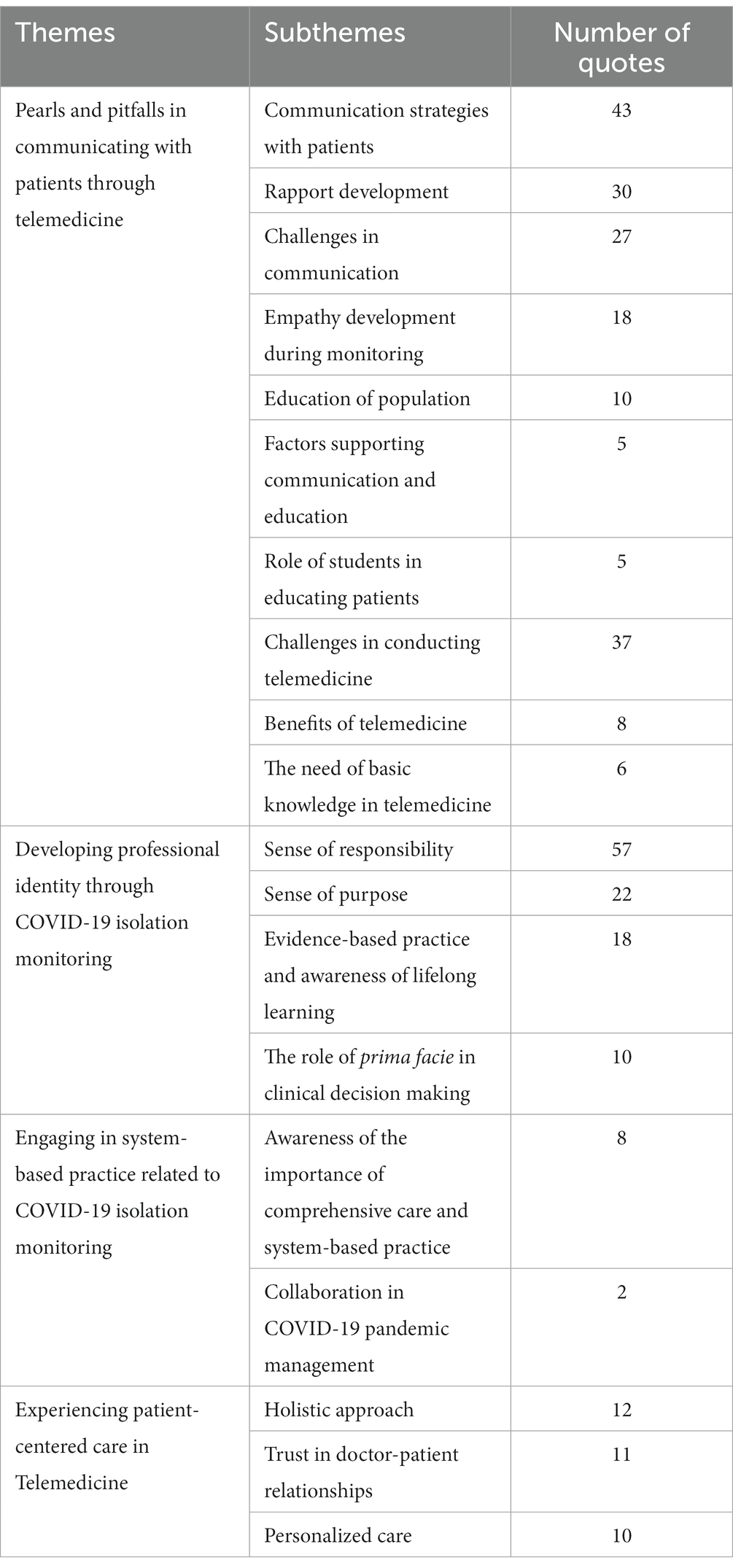
In a recent study, researchers delved into the transformative impact of a telemedicine-based course on undergraduate medical students during the COVID-19 pandemic. As the pandemic reshaped the landscape of healthcare, telemedicine emerged as a vital tool, not only in patient care but also in medical education.

By |December 11, 2024|Categories: Article, Medical Education, Telemedicine|Tags: , |0 Comments

The Transformative Role of AI in Healthcare: Enhancing Patient Care and Health Management

AI technology holds the potential to improve clinical outcomes, reduce healthcare costs, and enhance population health. In the realm of preventive care, AI is being utilized in radiology to expedite cancer screenings, such as mammograms and lung cancer screenings.

By |December 11, 2024|Categories: Article, Artificial Intelligence, Healthcare|Tags: , |0 Comments

Revolutionizing Healthcare: The Future of Medical Networking

The transformation is paving the way for a future where care is more personalized, and the ecosystem is inclusive for medical practitioners and providers to proactively manage patients' health. A key component of this evolution is medical networking, which is being redefined by the collaborative exchange of data among practitioners, professionals, and healthcare facilities.

Innovative Urban Expansion: The UAE’s Vision for Sustainable Living

As the UAE's population continues to surge, developers are seizing the opportunity to transform the sprawling desert into vibrant residential communities.

The Call for Climate Change in Medical Curricula

As the world grapples with the multifaceted impacts of climate change, a new urgency is emerging within the medical community.