AI’s Role in Revolutionizing Skin Cancer Diagnosis


In a groundbreaking study published by Nature on May 14, 2024, researchers have delved into the burgeoning field of artificial intelligence (AI) in dermatology. The systematic review and meta-analysis focus on AI’s efficacy compared to human clinicians in diagnosing skin cancer, a disease that remains the most common neoplasm worldwide.

AI vs. Clinicians: A Comparative Analysis


The study highlights a comprehensive comparison between AI algorithms and human clinicians, including experienced dermatologists and general practitioners. It reveals that AI can match or even surpass specialists in accuracy, particularly in categorizing skin lesions as benign or malignant. This finding underscores AI’s potential to transform dermatological practices by enhancing diagnostic precision.

Augmented Intelligence in Medical Practices


One of the study’s pivotal insights is the concept of ‘augmented intelligence,’ where AI is integrated into medical practices to assist clinicians. This approach is especially beneficial for generalists and non-specialist clinicians, bolstering their diagnostic capabilities. The study suggests that AI’s collaboration with human expertise can lead to improved diagnostic outcomes, particularly in primary care settings.

Broader Trends in Healthcare


The increasing use of AI in dermatology mirrors a broader trend of incorporating advanced technologies in healthcare to enhance diagnostic accuracy. The structured research approach, using systematic reviews and meta-analyses, consolidates evidence from various studies, providing a quantitative assessment of AI’s capabilities in clinical scenarios.

References and Further Reading


For those interested in further exploring the topic, the original article references key studies such as Lakhani et al.’s work on skin cancer screening, Wu et al.’s systematic review on deep learning in skin cancer classification, and Jones et al.’s review of AI and machine learning algorithms for early skin cancer detection. These studies are accessible through their respective publications:

Conclusion


This study marks a significant step towards embracing AI in clinical settings, with the potential to revolutionize how skin cancer is diagnosed and managed. It calls for further real-world studies and randomized clinical trials to fully realize AI’s benefits in healthcare.

More Articles

Getting licensed or staying ahead in your career can be a journey—but it doesn’t have to be overwhelming. Grab your favorite coffee or tea, take a moment to relax, and browse through our articles. Whether you’re just starting out or renewing your expertise, we’ve got tips, insights, and advice to keep you moving forward. Here’s to your success—one sip and one step at a time!

Artificial Intelligence in Diagnostics: A Revolution in Healthcare

The global market for artificial intelligence in diagnostics is poised for remarkable growth, with projections estimating it to reach USD 7.3 billion by 2032.

By |December 10, 2024|Categories: Article, Artificial Intelligence, Healthcare|Tags: , |0 Comments

Revolutionizing Medical Education with Extended Reality

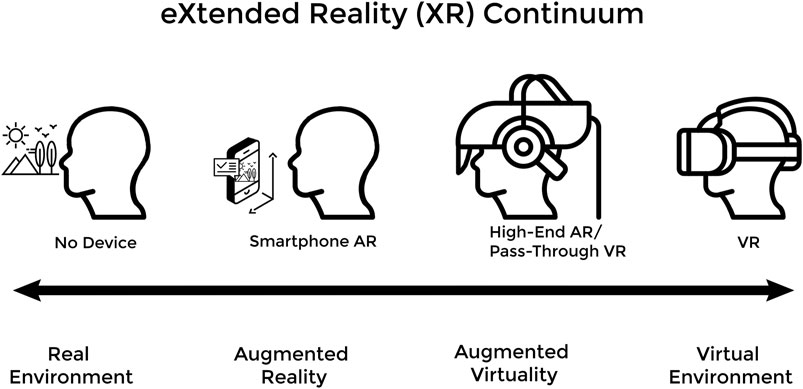
In the ever-evolving landscape of medical education, a new player has emerged, promising to revolutionize the way future doctors are trained. The integration of eXtended Reality (XR) technologies is reshaping the educational landscape by addressing the limitations of traditional methods.

Genetic Testing: A New Dawn in Healthcare

Genetic testing represents more than just a scientific advancement; it signifies a fundamental shift in how we approach health and wellness.

Sustainable Architecture: Blending Innovation with Ecological Responsibility

The journey toward sustainable architecture is ongoing, with each project serving as a beacon of what's achievable when creativity meets ecological awareness.

By |December 9, 2024|Categories: Architecture, Article, Sustainability|Tags: |0 Comments

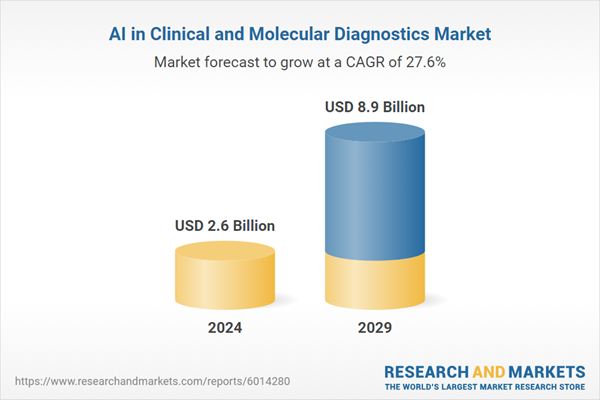
AI in Clinical and Molecular Diagnostics: A Market on the Rise

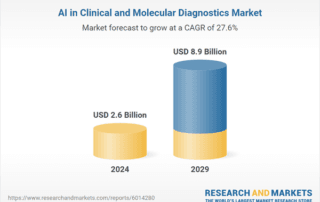
AI in Clinical and Molecular Diagnostics Market is set to experience remarkable growth, projected to surge from USD 2.6 billion in 2024 to USD 8.9 billion by 2029. This growth is driven by the integration of advanced AI technologies such as machine learning and deep learning into traditional diagnostic methodologies like imaging, genomics, and laboratory testing.

AI: A Revolution in Healthcare’s Future

AI is not a distant dream but a present reality, already integrated into everyday life through virtual assistants like Alexa and Siri. AI shows promise in enhancing medical accuracy, such as in predicting mesothelioma survival and improving colonoscopy accuracy, it is not intended to replace healthcare professionals.