Rising Costs, Slowing Premiums: Why AM Best Predicts a Tougher 2026 for the P/C Insurance Market

Insurance financial analysis

After a relatively strong 2025 for the property/casualty insurance sector, AM Best is signaling a shift. According to new analysis reported by Insurance Journal, the industry may be facing a more challenging 2026 driven by slowing premium growth, inflationary pressure, and rising claims costs.

Premium Growth Slows as Rates Plateau

The momentum seen in 2025—supported by strong investment income and previous rate hikes—is starting to cool. AM Best’s latest industry report forecasts slowing net premium growth across many lines in 2026. This softening trend is expected to push the industry’s combined ratio up by 1.9 points to 96.9.

From cyber to D&O to commercial property, renewal pricing softened throughout 2025—and the trend appears likely to continue. Even workers’ compensation, traditionally a stable performer, saw its premium growth moderate last year.

Inflation Hits Claims Costs Hard

Jacqalene Lentz, Senior Director at AM Best, notes that rising prices for construction materials, auto parts, and commercial repair costs are pushing loss ratios higher. These macroeconomic pressures are cutting into the cushion insurers regained in 2025.

Even personal lines—which benefited from rate approvals and tech‑driven underwriting improvements—may feel pressure again in 2026. Higher auto fatality rates and increasing repair costs remain persistent challenges.

Commercial Lines Feel the Strain

Commercial lines are projected to reach a combined ratio of 96.3 in 2026—slightly worse than 2025’s 95.8. Auto, medical professional liability, and products liability each recorded combined ratios over 100 in 2025, indicating underwriting losses and ongoing stress.

Reserves: A Persistent Risk

AM Best’s re‑estimation of ultimate reserves revealed a $9 billion deficiency for year‑end 2024. While improved from earlier projections, reserve adequacy remains a major concern—and one of the clearest indicators of long‑term company solvency.

E&S Market Continues to Shine

As admitted carriers tightened underwriting or stepped away from volatile classes such as property and high‑hazard liability, the excess & surplus (E&S) market absorbed the overflow. AM Best calls this shift one of the defining forces of 2025—a trend expected to influence 2026 as well.

What This Means for Insurance Professionals

Whether you’re licensed or exploring a path into the industry, these shifts highlight the importance of staying skilled, informed, and adaptable. A year of flatter rate changes and rising claims severity means professionals will need sharper analysis, stronger risk‑evaluation skills, and a deep understanding of evolving market pressures.

If you’re considering entering or advancing within the insurance field, Cameron Academy provides flexible, career‑focused licensing programs designed to help professionals stay ahead of market changes and elevate their expertise.

To dive deeper into the original reporting, visit the full article on Insurance Journal.

More Articles

Getting licensed or staying ahead in your career can be a journey—but it doesn’t have to be overwhelming. Grab your favorite coffee or tea, take a moment to relax, and browse through our articles. Whether you’re just starting out or renewing your expertise, we’ve got tips, insights, and advice to keep you moving forward. Here’s to your success—one sip and one step at a time!

Commercial Real Estate Slows Again as Investors Flock to Larger, Safer Deals

November marked another cooldown for commercial real estate, with total deal volume dropping 10% year over year and falling below even 2020’s levels. While overall activity is slowing, investors are concentrating their money on bigger, more resilient assets—driving a 51% surge in deals over $100 million and pushing average transaction sizes well above historical norms. Multifamily remains the strongest sector, office deals are becoming more strategically focused, and medical office and data centers continue to outperform as long‑term demand stays solid.

Lower Rates Could Spark a Commercial Real Estate Comeback in 2026

After years of stalled activity, commercial real estate may finally be nearing a rebound. Experts say that expected interest‑rate drops in 2026 could reignite investor confidence, unlock sidelined capital, and boost deal flow across multiple sectors. But the outlook isn’t uniformly sunny—multifamily faces oversupply, industrial is cooling after years of rapid growth, and weakening employment conditions may slow absorption. For professionals across real estate, mortgage, insurance, and finance, the shifting landscape presents both challenges and major opportunities for those who stay informed and properly licensed.

Consumer Reports Warns Congress About Rising Fintech Risks in 2026

Consumer Reports delivered a major warning to Congress, highlighting how rapidly expanding fintech tools—especially AI‑driven platforms—are outpacing consumer protections. In testimony before the House Subcommittee on Digital Assets, Financial Technology and AI, CR called for stronger, clearer rules to prevent hidden fees, predatory practices, and confusion within digital financial products. For professionals in real estate, mortgages, insurance, and finance, these emerging regulations may soon influence lending decisions, underwriting, credit evaluations, and compliance expectations across the industry.

Amazon’s Massive Corporate Shakeup Signals a New Era of AI‑Driven Workforce Transformation

Amazon is preparing to cut up to 30,000 corporate jobs by mid‑2026 as it pivots aggressively toward automation and AI. Following 14,000 layoffs in late 2025, the company is eliminating layers of management to redirect billions into robotics, generative AI systems, and supercomputing partnerships. While warehouse hiring continues for seasonal demand, Amazon’s internal shift reveals a broader nationwide trend: white‑collar roles across tech, finance, logistics, and more are being reshaped by automation at unprecedented speed.

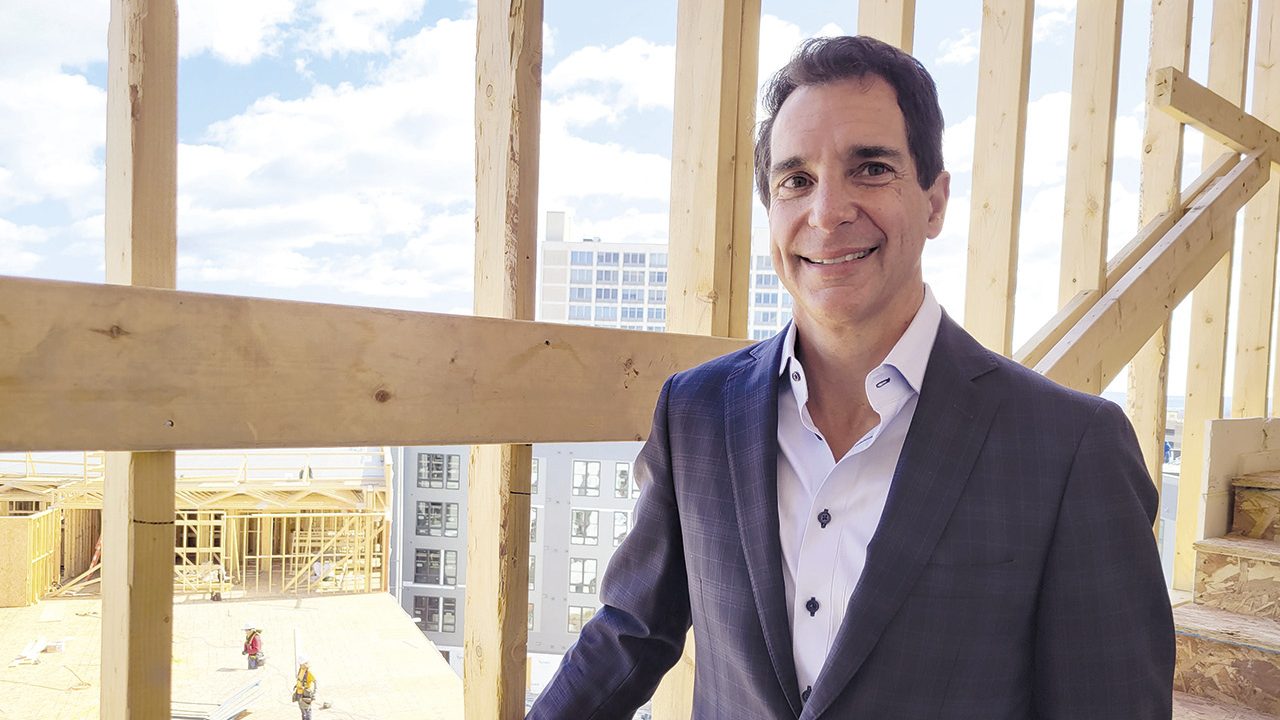
Chuck Bonfiglio Steps In as 2026 Florida Realtors President, Signaling a Year of Big Industry Shifts

Florida’s real estate market enters 2026 with new leadership at the helm as Chuck Bonfiglio, broker-owner of AAA Realty Group, is officially installed as President of Florida Realtors. With more than 230,000 members behind the association, Bonfiglio highlights affordability, insurance reform, and taxes as key priorities while expressing optimism about easing mortgage rates, stabilizing prices, and growing inventory. Backed by years of statewide and national Realtor leadership, he aims to guide professionals through another transformative year alongside a newly appointed 2026 leadership team.

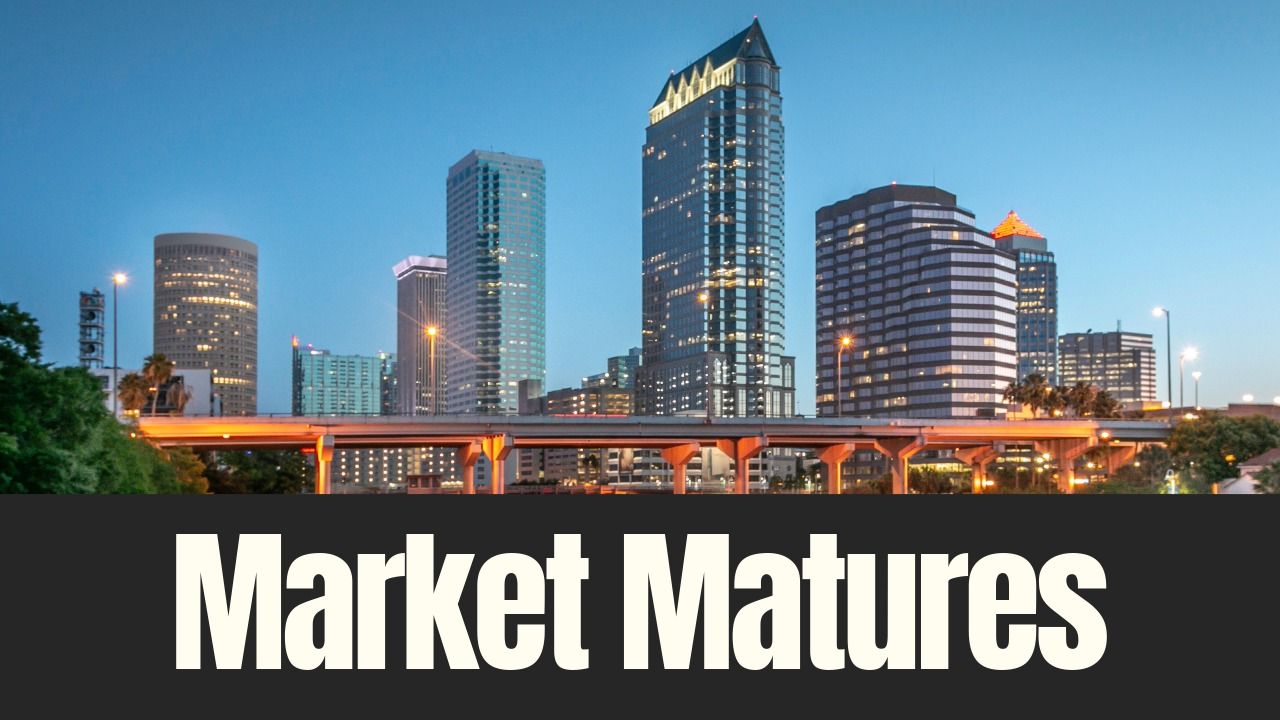
Tampa’s Real Estate Market Enters Its Selective Era

Tampa isn’t cooling off—it’s getting smarter. After years of rapid expansion, the city’s commercial real estate market has shifted into a more disciplined, selective phase. Population growth remains strong, office leasing is outperforming national trends, industrial activity is normalizing sustainably, and retail is seeing renewed investor confidence. With capital becoming more cautious and health care real estate emerging as a major growth sector, Tampa is entering a new era focused on strategy, execution, and long‑term fundamentals.