Rising Costs, Slowing Premiums: Why AM Best Predicts a Tougher 2026 for the P/C Insurance Market

Insurance financial analysis

After a relatively strong 2025 for the property/casualty insurance sector, AM Best is signaling a shift. According to new analysis reported by Insurance Journal, the industry may be facing a more challenging 2026 driven by slowing premium growth, inflationary pressure, and rising claims costs.

Premium Growth Slows as Rates Plateau

The momentum seen in 2025—supported by strong investment income and previous rate hikes—is starting to cool. AM Best’s latest industry report forecasts slowing net premium growth across many lines in 2026. This softening trend is expected to push the industry’s combined ratio up by 1.9 points to 96.9.

From cyber to D&O to commercial property, renewal pricing softened throughout 2025—and the trend appears likely to continue. Even workers’ compensation, traditionally a stable performer, saw its premium growth moderate last year.

Inflation Hits Claims Costs Hard

Jacqalene Lentz, Senior Director at AM Best, notes that rising prices for construction materials, auto parts, and commercial repair costs are pushing loss ratios higher. These macroeconomic pressures are cutting into the cushion insurers regained in 2025.

Even personal lines—which benefited from rate approvals and tech‑driven underwriting improvements—may feel pressure again in 2026. Higher auto fatality rates and increasing repair costs remain persistent challenges.

Commercial Lines Feel the Strain

Commercial lines are projected to reach a combined ratio of 96.3 in 2026—slightly worse than 2025’s 95.8. Auto, medical professional liability, and products liability each recorded combined ratios over 100 in 2025, indicating underwriting losses and ongoing stress.

Reserves: A Persistent Risk

AM Best’s re‑estimation of ultimate reserves revealed a $9 billion deficiency for year‑end 2024. While improved from earlier projections, reserve adequacy remains a major concern—and one of the clearest indicators of long‑term company solvency.

E&S Market Continues to Shine

As admitted carriers tightened underwriting or stepped away from volatile classes such as property and high‑hazard liability, the excess & surplus (E&S) market absorbed the overflow. AM Best calls this shift one of the defining forces of 2025—a trend expected to influence 2026 as well.

What This Means for Insurance Professionals

Whether you’re licensed or exploring a path into the industry, these shifts highlight the importance of staying skilled, informed, and adaptable. A year of flatter rate changes and rising claims severity means professionals will need sharper analysis, stronger risk‑evaluation skills, and a deep understanding of evolving market pressures.

If you’re considering entering or advancing within the insurance field, Cameron Academy provides flexible, career‑focused licensing programs designed to help professionals stay ahead of market changes and elevate their expertise.

To dive deeper into the original reporting, visit the full article on Insurance Journal.

More Articles

Getting licensed or staying ahead in your career can be a journey—but it doesn’t have to be overwhelming. Grab your favorite coffee or tea, take a moment to relax, and browse through our articles. Whether you’re just starting out or renewing your expertise, we’ve got tips, insights, and advice to keep you moving forward. Here’s to your success—one sip and one step at a time!

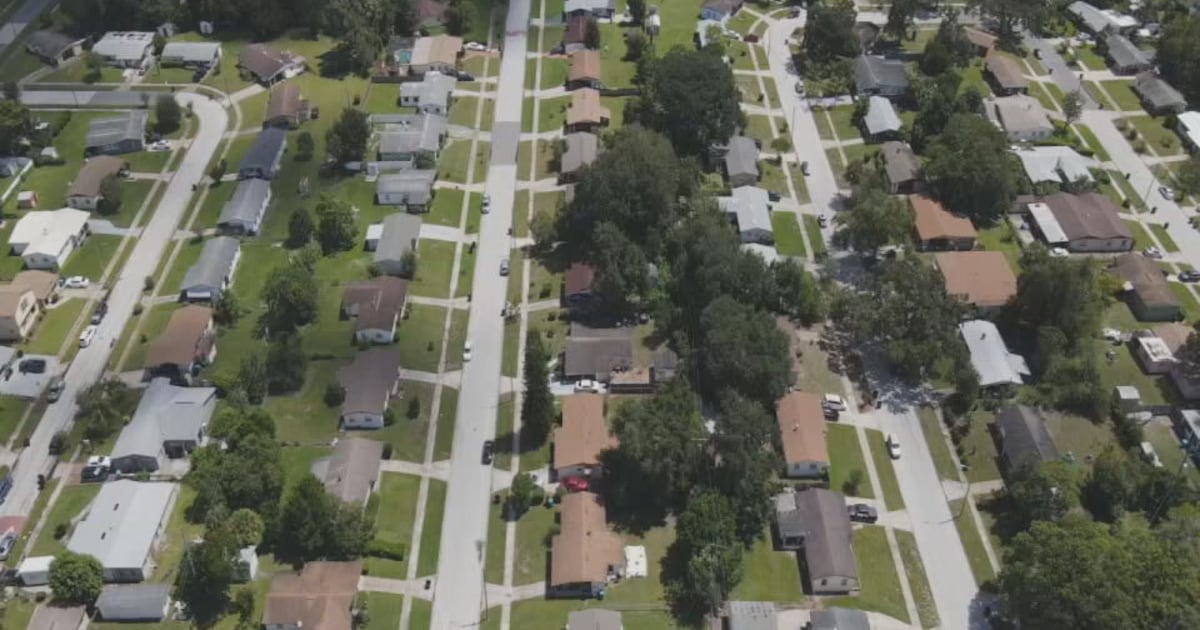
Florida Homeowners Finally Get a Break as Insurance Rates Begin to Drop

After years of soaring premiums and insurer instability, Florida’s property insurance market is finally turning a corner. Major carriers have filed 83 requests for rate decreases heading into 2026, with companies like Florida Peninsula and Patriot Select proposing cuts of 8.4% and 11.3%. Some homeowners may see relief as early as next month, signaling a long‑awaited shift toward market stability.

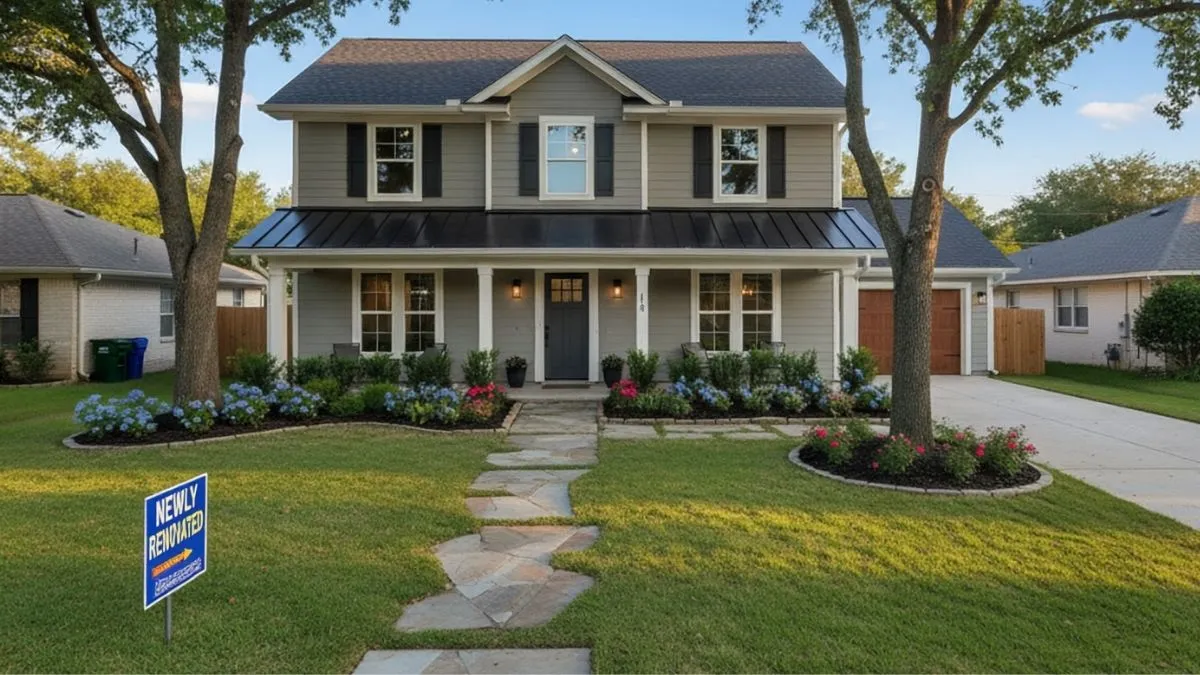
The Fix-and-Flip Comeback: Why 2026 Is Poised to Be a Breakout Year for Investors

Fix-and-flip investing is gearing up for one of its strongest years in a decade as 2026 approaches. With cheaper capital, more accessible funding, easing interest rates, and long-awaited increases in housing inventory, investors are finding the perfect environment to launch or scale renovation-based real estate businesses. Renovation continues to outpace new construction in cost and speed, and demand for move-in-ready homes remains high, making 2026 a powerful opportunity window for both new and experienced investors.

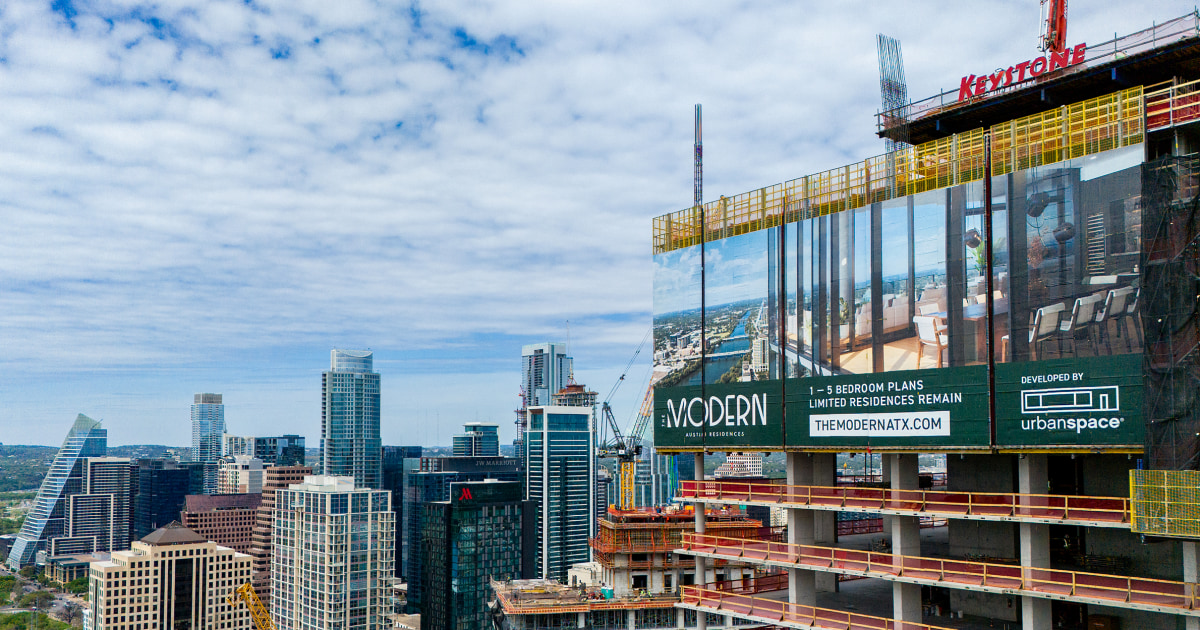
Falling Rents Today, Rising Pressures Tomorrow: A 2026 Rental Squeeze Is on the Horizon

After a short-lived period of relief in 2025, the U.S. rental market may be headed for a tighter, more expensive 2026. With construction starts dropping nearly 11% and completions plunging 42%, the surge of new apartments that helped lower rents is rapidly drying up. Rising costs, shrinking inventory, and a slowdown in new development point to a potential rental crunch that could leave renters facing heavier competition and higher prices across major markets next year.

The Biggest Opportunity in Real Estate Since 2008

The commercial real estate market is entering a rare reset that experts say mirrors the post‑2008 boom, creating a potential window for disciplined investors. With trillions in commercial debt coming due and property values dropping up to 40%, firms like AARE are positioning themselves to acquire assets below replacement cost—an advantage that could set the stage for significant long‑term growth.

Six for 2026: The Commercial Real Estate Shifts Already Reshaping the U.S.

Commercial real estate is entering a reinvention phase, with AI‑driven productivity, modernized office demand, experience‑focused retail, expanding industrial logistics, creative housing solutions, and sustainability‑centered design all accelerating nationwide. These six forces are shaping how investors, brokers, and future licensees will operate in a rapidly evolving U.S. market.

2026 Becomes the Turning Point: Innovation, Stability, and Upward Mobility Return

After years of economic uncertainty and cautious decision‑making, 2026 is shaping up to be the year professionals finally catch a break. AI is moving from buzzword to essential tool, capital markets are beginning to thaw, and hiring is picking up across real estate, mortgage, insurance, finance, and healthcare. With opportunity returning, many professionals are using this moment to upskill—pursuing new licenses, certifications, and cross‑industry expertise.