Rising Costs, Slowing Premiums: Why AM Best Predicts a Tougher 2026 for the P/C Insurance Market

Insurance financial analysis

After a relatively strong 2025 for the property/casualty insurance sector, AM Best is signaling a shift. According to new analysis reported by Insurance Journal, the industry may be facing a more challenging 2026 driven by slowing premium growth, inflationary pressure, and rising claims costs.

Premium Growth Slows as Rates Plateau

The momentum seen in 2025—supported by strong investment income and previous rate hikes—is starting to cool. AM Best’s latest industry report forecasts slowing net premium growth across many lines in 2026. This softening trend is expected to push the industry’s combined ratio up by 1.9 points to 96.9.

From cyber to D&O to commercial property, renewal pricing softened throughout 2025—and the trend appears likely to continue. Even workers’ compensation, traditionally a stable performer, saw its premium growth moderate last year.

Inflation Hits Claims Costs Hard

Jacqalene Lentz, Senior Director at AM Best, notes that rising prices for construction materials, auto parts, and commercial repair costs are pushing loss ratios higher. These macroeconomic pressures are cutting into the cushion insurers regained in 2025.

Even personal lines—which benefited from rate approvals and tech‑driven underwriting improvements—may feel pressure again in 2026. Higher auto fatality rates and increasing repair costs remain persistent challenges.

Commercial Lines Feel the Strain

Commercial lines are projected to reach a combined ratio of 96.3 in 2026—slightly worse than 2025’s 95.8. Auto, medical professional liability, and products liability each recorded combined ratios over 100 in 2025, indicating underwriting losses and ongoing stress.

Reserves: A Persistent Risk

AM Best’s re‑estimation of ultimate reserves revealed a $9 billion deficiency for year‑end 2024. While improved from earlier projections, reserve adequacy remains a major concern—and one of the clearest indicators of long‑term company solvency.

E&S Market Continues to Shine

As admitted carriers tightened underwriting or stepped away from volatile classes such as property and high‑hazard liability, the excess & surplus (E&S) market absorbed the overflow. AM Best calls this shift one of the defining forces of 2025—a trend expected to influence 2026 as well.

What This Means for Insurance Professionals

Whether you’re licensed or exploring a path into the industry, these shifts highlight the importance of staying skilled, informed, and adaptable. A year of flatter rate changes and rising claims severity means professionals will need sharper analysis, stronger risk‑evaluation skills, and a deep understanding of evolving market pressures.

If you’re considering entering or advancing within the insurance field, Cameron Academy provides flexible, career‑focused licensing programs designed to help professionals stay ahead of market changes and elevate their expertise.

To dive deeper into the original reporting, visit the full article on Insurance Journal.

More Articles

Getting licensed or staying ahead in your career can be a journey—but it doesn’t have to be overwhelming. Grab your favorite coffee or tea, take a moment to relax, and browse through our articles. Whether you’re just starting out or renewing your expertise, we’ve got tips, insights, and advice to keep you moving forward. Here’s to your success—one sip and one step at a time!

Florida’s Long‑Standing Condo Lending Restrictions May Finally End This December

After nearly 20 years under uniquely harsh lending rules, Florida may finally see its condo market freed from a 25% down payment requirement imposed only on the state. Industry leaders say Fannie Mae could announce changes as early as December—potentially restoring the standard 10% down payment used everywhere else in the country. Experts believe the shift would boost maintenance funding, improve affordability, and stabilize Florida’s condo market after years of strain.

Confidence Surges in Phoenix as Commercial Real Estate Rebounds in 2025

Phoenix’s commercial real estate market is shaking off years of uncertainty as broker optimism hits its highest level since interest rates began climbing. The latest ASU Commercial Broker Sentiment Index soared to 62.7, signaling strong confidence across multifamily, retail, office, and capital markets. With population growth accelerating, interest rates easing, and AI boosting industry efficiency, Phoenix is positioning itself for a powerful run into 2026—offering meaningful opportunities for both new and seasoned real estate professionals.

Michigan Lawmakers Consider Allowing All Continuing Education Hours to Be Completed Online

Michigan’s House Rules Committee heard testimony on a proposal that would let licensed professionals complete all required continuing education online. Supporters say the change would modernize outdated rules, reduce costs, and improve access for rural and busy workers. The state licensing department backs the measure, and lawmakers noted it could reshape CE options across industries from real estate to insurance and healthcare.

Florida’s Home Insurance Crisis Reaches a Breaking Point as Premiums Skyrocket

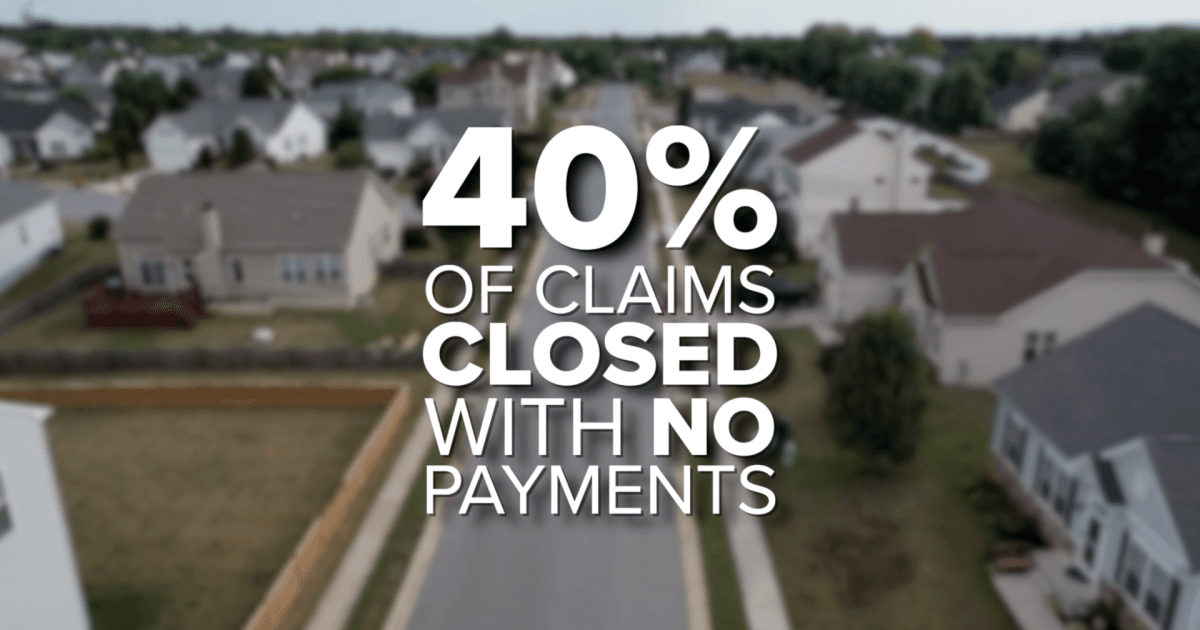
Florida homeowners are now paying an average of $5,838 per year for insurance — nearly $3,000 above the national average — making it one of the most expensive states in the country. As premiums continue to triple for some residents, many are being forced into tough decisions, from delaying home improvements to dropping coverage altogether. With more than 40% of claims closed with no payment and lawmakers pushing for aggressive reforms, the crisis is reshaping Florida’s housing market and placing growing pressure on real estate, mortgage, and insurance professionals statewide.

Griffin Funding Names John Jones SVP of Growth as It Sets Sights on $3B Non-QM Volume by 2030

Griffin Funding has elevated John Jones to Senior Vice President of Growth and EOS Integrator, marking a major step in the company’s long-term expansion strategy. Already a key operational leader since April 2025, Jones will now drive performance optimization, market expansion, and leadership development as the lender pursues an ambitious goal of reaching $3 billion in annual non-QM loan volume by 2030. His promotion underscores Griffin Funding’s commitment to scaling strategically while strengthening its position in the fast-growing non-QM space.

Why Lower Rates Still Haven’t Unlocked Commercial Real Estate

Despite recent Federal Reserve rate cuts, commercial real estate remains frozen. Long‑term Treasury yields continue to climb, keeping borrowing costs high and preventing the relief investors expected. With nearly $1 trillion in commercial loans coming due, refinancing at today’s elevated rates is squeezing owners, slowing transactions, and creating a widening gap between buyers and sellers. For patient, well‑capitalized investors, this period of recalibration may offer some of the strongest opportunities in years.