Rising Costs, Slowing Premiums: Why AM Best Predicts a Tougher 2026 for the P/C Insurance Market

Insurance financial analysis

After a relatively strong 2025 for the property/casualty insurance sector, AM Best is signaling a shift. According to new analysis reported by Insurance Journal, the industry may be facing a more challenging 2026 driven by slowing premium growth, inflationary pressure, and rising claims costs.

Premium Growth Slows as Rates Plateau

The momentum seen in 2025—supported by strong investment income and previous rate hikes—is starting to cool. AM Best’s latest industry report forecasts slowing net premium growth across many lines in 2026. This softening trend is expected to push the industry’s combined ratio up by 1.9 points to 96.9.

From cyber to D&O to commercial property, renewal pricing softened throughout 2025—and the trend appears likely to continue. Even workers’ compensation, traditionally a stable performer, saw its premium growth moderate last year.

Inflation Hits Claims Costs Hard

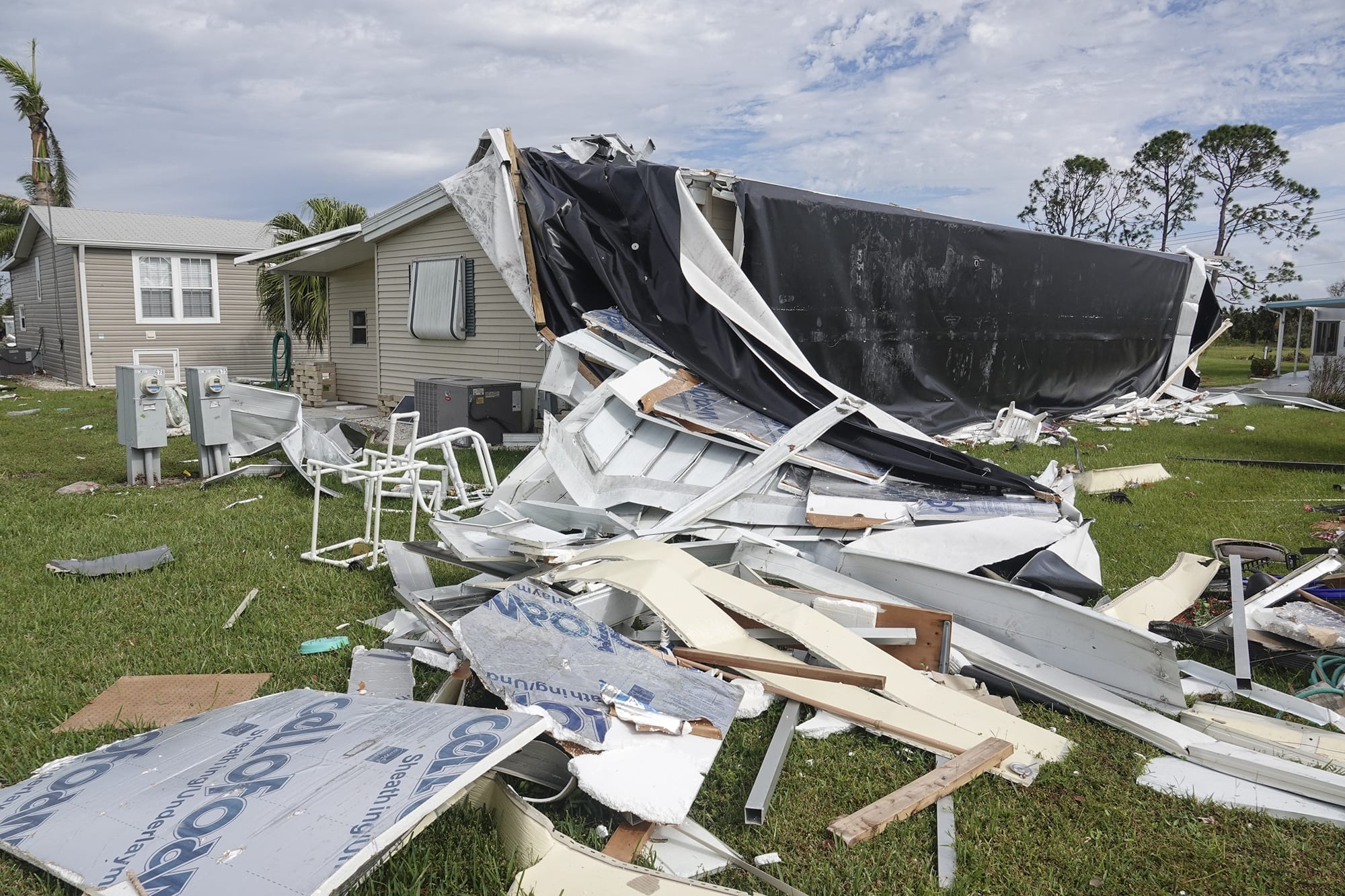
Jacqalene Lentz, Senior Director at AM Best, notes that rising prices for construction materials, auto parts, and commercial repair costs are pushing loss ratios higher. These macroeconomic pressures are cutting into the cushion insurers regained in 2025.

Even personal lines—which benefited from rate approvals and tech‑driven underwriting improvements—may feel pressure again in 2026. Higher auto fatality rates and increasing repair costs remain persistent challenges.

Commercial Lines Feel the Strain

Commercial lines are projected to reach a combined ratio of 96.3 in 2026—slightly worse than 2025’s 95.8. Auto, medical professional liability, and products liability each recorded combined ratios over 100 in 2025, indicating underwriting losses and ongoing stress.

Reserves: A Persistent Risk

AM Best’s re‑estimation of ultimate reserves revealed a $9 billion deficiency for year‑end 2024. While improved from earlier projections, reserve adequacy remains a major concern—and one of the clearest indicators of long‑term company solvency.

E&S Market Continues to Shine

As admitted carriers tightened underwriting or stepped away from volatile classes such as property and high‑hazard liability, the excess & surplus (E&S) market absorbed the overflow. AM Best calls this shift one of the defining forces of 2025—a trend expected to influence 2026 as well.

What This Means for Insurance Professionals

Whether you’re licensed or exploring a path into the industry, these shifts highlight the importance of staying skilled, informed, and adaptable. A year of flatter rate changes and rising claims severity means professionals will need sharper analysis, stronger risk‑evaluation skills, and a deep understanding of evolving market pressures.

If you’re considering entering or advancing within the insurance field, Cameron Academy provides flexible, career‑focused licensing programs designed to help professionals stay ahead of market changes and elevate their expertise.

To dive deeper into the original reporting, visit the full article on Insurance Journal.

More Articles

Getting licensed or staying ahead in your career can be a journey—but it doesn’t have to be overwhelming. Grab your favorite coffee or tea, take a moment to relax, and browse through our articles. Whether you’re just starting out or renewing your expertise, we’ve got tips, insights, and advice to keep you moving forward. Here’s to your success—one sip and one step at a time!

Global Capital Is Reshaping Real Estate for 2026

Investors worldwide are redeploying capital, embracing more active deal structures, and expanding into new regions as the 2026 market takes shape. Data centers, revived office demand, and global diversification are driving a major shift—creating fresh opportunities for real estate, mortgage, and finance professionals who understand where capital is heading next.

Florida’s Home Insurance Crisis Hits Breaking Point as Premiums Soar and Claims Go Unpaid

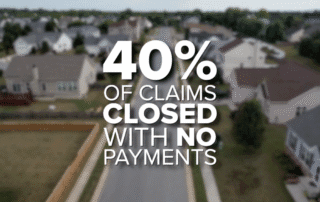
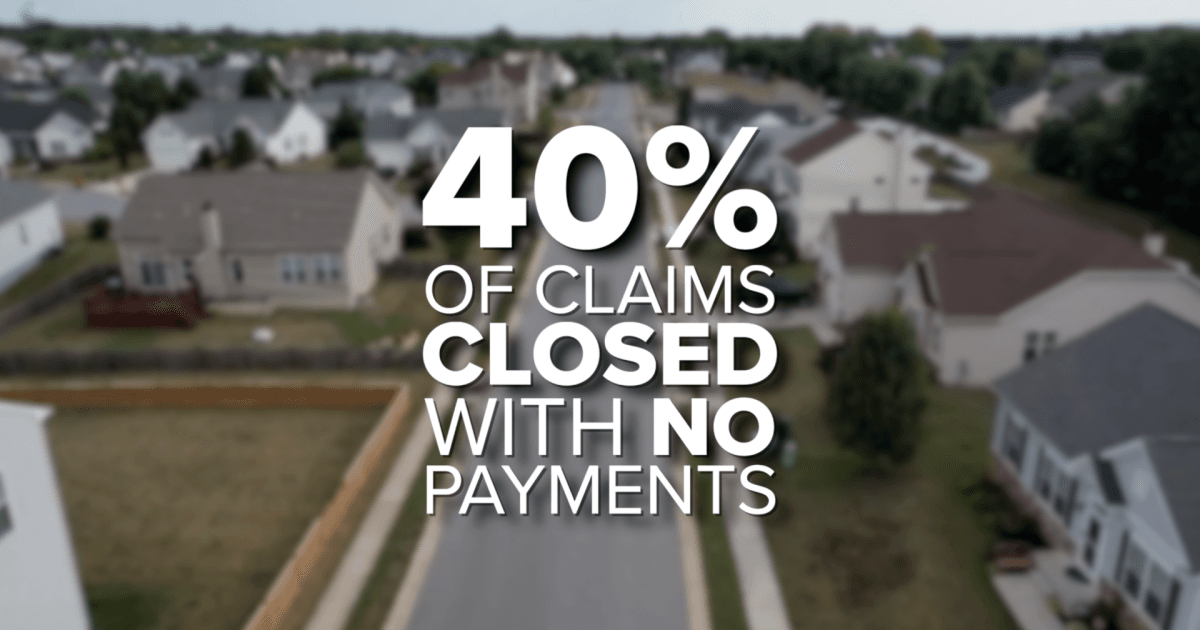
Florida homeowners now pay an average of $5,838 per year for insurance—about $3,000 more than the national average—pushing many families to the financial brink. Residents report premiums tripling, claims being severely underpaid, and insurers dropping policies at one of the highest rates in the country. As frustration mounts, lawmakers and industry experts are calling for sweeping reforms to curb rising costs, increase accountability, and stabilize a market that’s reshaping real estate decisions across the state.

Citizens Insurance Steps Back as Florida’s Private Market Surges

Florida’s insurance market has hit a major turning point. Citizens Property Insurance—once the state’s largest insurer with 1.4 million policies—has shed more than 900,000 policies as private insurers return in force. Driven by Florida’s depopulation program and the arrival of 17 new companies, nearly 200,000 policies shifted to private carriers in October alone, with about 40 percent offering lower premiums. The shift signals rising competition, stabilizing rates, and new opportunities for homeowners and industry professionals navigating Florida’s evolving insurance landscape.

NAR Unveils Biggest MLS Policy Overhaul in 20 Years, Effective 2026

The National Association of REALTORS® has approved 18 major updates to modernize its MLS policies—the largest overhaul in two decades. Announced at NAR NXT in Houston and set to take effect in January 2026, the changes aim to streamline MLS operations, improve enforcement clarity, and better align policies with how today’s real estate professionals actually work.

Inhabit Unveils New AI and Fraud Prevention Tools Transforming Property Management

Inhabit has rolled out a powerful lineup of AI-driven leasing, marketing, fraud prevention, and compliance tools designed to streamline operations and protect property teams from growing risks. From hybrid AI leasing assistants to instant income verification and upcoming portfolio-wide lease audits, these innovations aim to cut costs, eliminate inefficiencies, and strengthen regulatory confidence across the multifamily industry.

Florida’s Insurance System Is Shifting Again—But Are Homeowners Still in the Danger Zone?

Florida’s latest round of insurance reforms was meant to calm a volatile market, yet many experts warn the same deep structural problems remain. Homeowners are being pushed from Citizens into higher‑priced, lightly capitalized private insurers, ratings agencies face scrutiny for inflated grades, and political influence clouds oversight. For real estate and insurance professionals, these trends signal ongoing risk, rising costs, and a market in need of a complete rebuild.