Rising Home Insurance Costs Are Quietly Reshaping America’s Real Estate Market
Across the United States, a new force is beginning to reshape local real estate markets — and it isn’t mortgage rates, inflation, or even inventory shortages. It’s home insurance. In the most disaster‑prone areas, skyrocketing premiums are eating directly into home values, upending long‑held assumptions about affordability, risk, and long‑term investment viability.
The New York Times recently published a deeply reported investigation into this rapidly expanding crisis, revealing how rising premiums — often fueled by global reinsurance upheavals — are placing thousands of homeowners under intense financial pressure. Their reporting, grounded in national data and real‑world interviews, highlights an emerging trend that real estate professionals must watch closely.
When Insurance Becomes the Dealbreaker
In coastal Louisiana, residents are facing insurance increases that would have seemed unimaginable just a few years ago. Sandra Rojas, a fifth‑generation resident of Lafitte, saw her annual premium soar to $8,312 — more than double what she paid four years earlier. She considered selling, but with home values in her region down 38% since 2020, her options are limited. “You’re kind of stuck where you are,” she said.
Similar stories are emerging nationwide. In Colorado, buyers are walking away from deals after failing to secure affordable wildfire coverage. In California, 13% of real estate agents report transactions falling apart because buyers couldn’t obtain insurance at all.
New research from the National Bureau of Economic Research provides numbers to match the stories. Disaster‑exposed ZIP codes are seeing home values fall in direct response to rising insurance costs. According to researchers Benjamin Keys and Philip Mulder, homes in the top 10% most exposed areas are selling for an average of $43,900 less than they would have otherwise.
Their study of 74 million payment records from 2014–2024 found that nearly one‑fifth of the national increase in premiums since 2017 is tied to “rapid repricing” of climate‑driven risks. Meanwhile, global reinsurers — absorbing mounting losses — have doubled the rates they charge insurers, who then pass the burden directly to homeowners.
A Growing National Ripple Effect
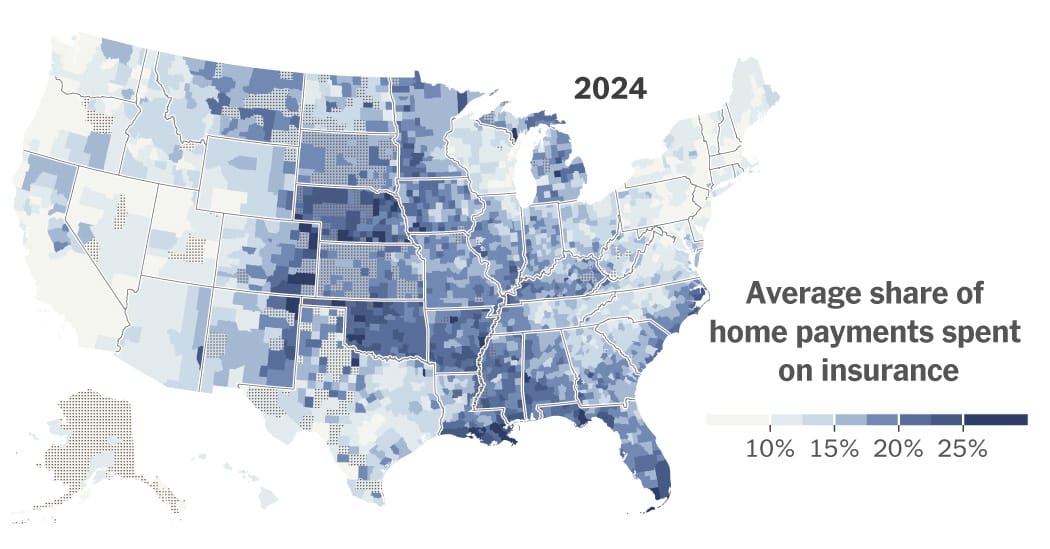
In hail‑risk Midwest states, insurance now consumes more than 20% of total housing payments. In parts of Louisiana, it exceeds 30%. For buyers, this means steeper monthly costs. For sellers, it means fewer qualified buyers and declining property values.
Some homeowners are even dropping coverage entirely. In Lafitte, Clarence Guidry received a quote for a $20,000 premium — plus a $50,000 hurricane deductible. Unable to sustain the cost, he paid off his mortgage and now self‑insures. He’s not alone: 13% of U.S. homeowners are now uninsured.
What This Means for Real Estate and Professional Licensees
Insurance‑driven pricing pressures are no longer hypothetical — they are here, reshaping how agents, lenders, appraisers, and insurance professionals work. Deals stall, lenders tighten, buyers hesitate, and municipalities face shrinking tax revenue as home values cool.
For professionals, especially those working in high‑risk states like Florida, staying current on these shifts is essential. Cameron Academy offers real‑estate and insurance licensing education designed to help professionals understand not only the rules of their industry but also the evolving economic forces that shape it. Understanding how climate‑risk and insurance impacts property value is now a core professional skill.
Looking Forward
As reinsurers adjust their risk models and climate‑driven disasters grow more severe, insurance premiums are projected to keep rising. Industry analysts expect home values in high‑risk markets to adjust further downward as buyers push for affordability.
For many Americans, the dilemma is becoming painfully clear: pay soaring premiums, sell at a loss, or self‑insure and hope for the best.
Real estate, insurance, lending, and financial professionals will need to stay educated and adaptable — and up‑to‑date training is one of the most powerful tools available.
Select options
This product has multiple variants. The options may be chosen on the product page
Details
More Articles
Getting licensed or staying ahead in your career can be a journey—but it doesn’t have to be overwhelming. Grab your favorite coffee or tea, take a moment to relax, and browse through our articles. Whether you’re just starting out or renewing your expertise, we’ve got tips, insights, and advice to keep you moving forward. Here’s to your success—one sip and one step at a time!
While most people chase AI stocks or compete for high‑pressure tech jobs, the real opportunity may be unfolding in AI boomtown real estate. As companies like OpenAI, Anthropic, Microsoft, and NVIDIA mint new waves of wealthy workers, demand for housing in key cities is exploding. From San Francisco to Austin, AI‑driven markets are seeing rising rents, limited inventory, and buyers preparing for massive IPO windfalls. For real estate professionals—or anyone entering the field—this surge represents one of the strongest long‑term opportunities in the industry.
Florida is ending its 1 percent emergency insurance surcharge two years ahead of schedule, saving homeowners an estimated 650 million dollars through 2028. Thanks to a calm hurricane season, fewer insurer failures, and reduced lawsuits, officials say the state’s property insurance market is now in its strongest financial position in a decade. The change offers relief for homeowners and new momentum for Florida’s real estate industry, where lower insurance costs can boost buyer confidence and support smoother transactions.
A growing political push to block institutional investors from buying single-family homes may sound like a pro-homeowner policy, but the data shows it could do the opposite. Younger and racially diverse renters rely heavily on single-family rentals as an affordable, stable alternative to buying—yet restricting investor participation would shrink this supply, pushing many families into overcrowded housing, motels, or homelessness. The real issue isn’t who buys the homes, but that America doesn’t have enough of them.
Zillow’s 2026 Agent Trends Survey reveals a major shift in what agents value most: technology that reduces mental drain. Nearly half of agents now use AI tools daily, yet most still juggle multiple platforms that sap their focus. Zillow’s upcoming unified platform, Zillow Pro, aims to streamline workflows and cut cognitive load. The survey also highlights key industry trends, including buyer financial literacy gaps, the importance of relationships for lead generation and the growing need for tech fluency among both new and seasoned real estate professionals.
Florida’s housing market is still surging, with luxury enclaves like Lake Buena Vista, Jupiter Island, and Golden Beach seeing massive six‑figure price jumps in just one year. Smaller towns such as Old Town, Cross City, and Hosford also posted steady gains, proving demand is rising statewide. For real estate professionals, these trends highlight where buyers are moving, where inventory is tight, and where future opportunities lie—making market literacy an essential advantage for anyone pursuing or expanding a career in Florida real estate.
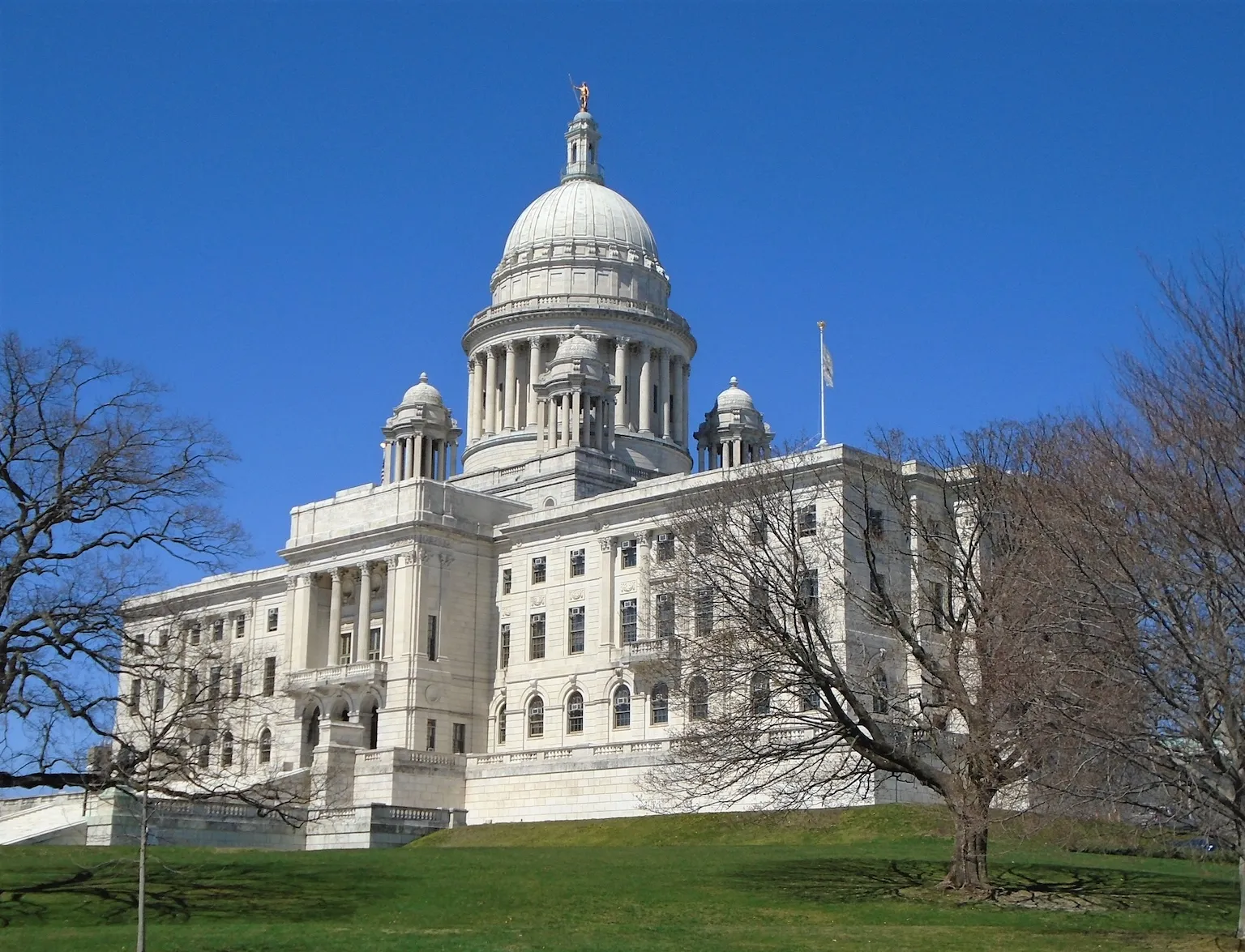
Rhode Island is launching its sixth major housing reform package, aiming to boost affordability through zoning updates, lot splits, code changes, and the revival of single room occupancy and co‑living housing. With the state still recovering from years of underbuilding and soaring home prices, lawmakers hope these reforms will unlock new supply, ease pressure on renters and buyers, and create fresh opportunities for real estate professionals.