Rising Material Costs Challenge Home Builders Amid Inflation Slowdown


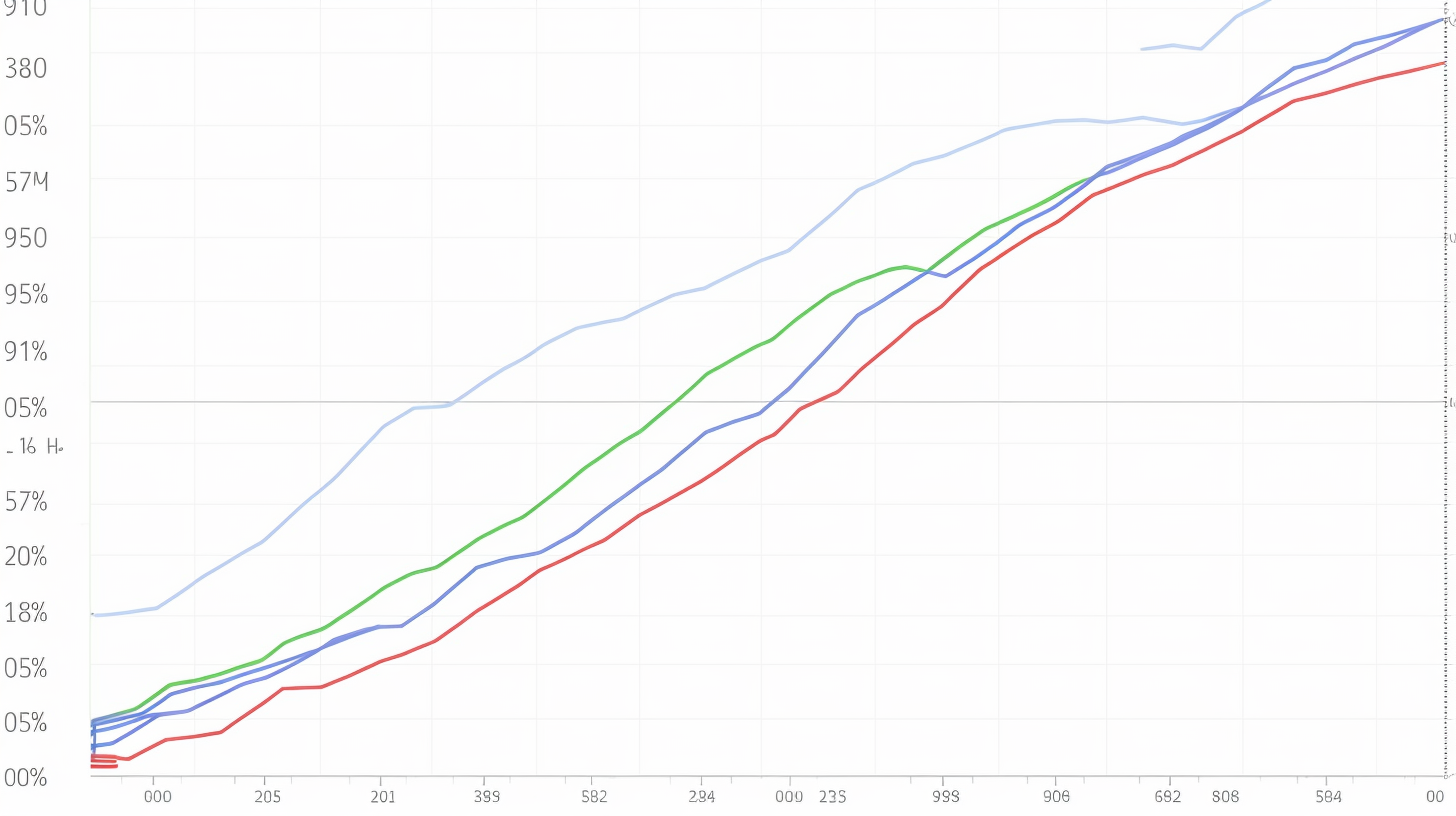
As inflation trends downward, the construction industry faces a paradox: the relentless rise in residential construction material costs since early 2024. This surge, marking its peak in June 2024, presents a formidable challenge for home builders already navigating inflated expenses.


The escalating cost of building materials, including softwood lumber, steel, and aluminum, is eroding housing affordability. These volatile prices, compounded by uncertainties in production timelines, leave builders grappling with cost management, often resulting in appraisals that fail to reflect true costs accurately.


Factors Driving Material Cost Increases


  • Supply and Demand: Peak construction seasons intensify demand, while global shortages and disruptions constrain supply, driving up prices.
  • Inflation: Economy-wide inflationary pressures inevitably impact construction material costs.
  • Global Influences: Geopolitical tensions and trade disputes further exacerbate price hikes.
  • Sustainability Initiatives: The shift towards sustainable building practices often involves costlier materials.

The construction industry feels the strain as these factors inflate project costs, squeeze profit margins, and exacerbate housing affordability issues. Developers face delayed production cycles and heightened financial risks, while appraisals struggle to keep pace with cost fluctuations.


Strategies to Mitigate Material Cost Challenges


Builders are employing a range of strategies to manage these rising costs:


  • Long-term Contracts: Securing consistent pricing through long-term agreements with suppliers.
  • Efficient Material Use: Minimizing waste and optimizing material usage.
  • Negotiation: Engaging suppliers directly to negotiate better prices.
  • Exploring Alternatives: Considering cost-effective materials that deliver similar performance.

Efforts to resolve trade disputes and centralize negotiations are underway, aiming to stabilize global material supplies. Automation and advanced technologies are also being explored to address labor shortages and supply chain disruptions. Investing in workforce development is critical for attracting new talent, ensuring resilience within the industry.


Adapting to a New Reality


As builders navigate these challenges, the industry is undergoing a transformation. Traditional project models are being rethought, and innovative approaches embraced to thrive amidst current uncertainties. Through adaptive measures and collaborative efforts, home builders are poised to future-proof their operations against ongoing fluctuations in material costs and availability.


More Articles

Getting licensed or staying ahead in your career can be a journey—but it doesn’t have to be overwhelming. Grab your favorite coffee or tea, take a moment to relax, and browse through our articles. Whether you’re just starting out or renewing your expertise, we’ve got tips, insights, and advice to keep you moving forward. Here’s to your success—one sip and one step at a time!

Free Annual Florida Real Estate Sales Associate 63-Hour Pre-License Course Livestream: A Gateway to Your Real Estate Career

Cameron Academy is thrilled to offer the Free Annual Florida Real Estate Sales Associate 63-Hour Pre-License Course Livestream. This exclusive event is an opportunity for aspiring real estate professionals to gain expert instruction, access a comprehensive curriculum, and connect with a network of professionals in the industry. The course will be livestreamed from December 04-15, 2023, allowing you to participate from the comfort of your own home or office. Register now to secure your spot in this highly sought-after course. Spaces are limited, so early registration is highly recommended. Take the first step towards your real estate career today!

New President of Franchise Operations Welcomed at Coldwell Banker

Coldwell Banker, a renowned real estate brand, has recently appointed Jason Waugh as the new president of Coldwell Banker Affiliates. In his new role, Waugh will be responsible for overseeing the brand's strategy, operations, and sales for its growing network of franchises. This appointment comes as Coldwell Banker aims to further strengthen its position in the real estate market. With an impressive background in the industry, Waugh brings a wealth of experience to his new position. Previously associated with Berkshire Hathaway HomeServices and Berkshire Hathaway Home Services Real Estate Professionals for 18 years, Waugh's expertise and leadership qualities make him an ideal fit for this role.

2024 Conforming Loan Limits Raised by UWM: Insights for Homebuyers and the Housing Market

United Wholesale Mortgage (UWM), the country's leading lender, has increased its agency conforming loan limits to $750,000. This move, ahead of the Federal Housing Finance Agency's expected decision, applies to conventional and VA loans locked from October 11. The decision offers borrowers greater flexibility and access to larger loan amounts, with the benefits of conforming loans. These loans meet the guidelines set by government-sponsored enterprises like Fannie Mae and Freddie Mac, offering lower interest rates and more favorable terms compared to non-conforming or jumbo loans.

By |October 14, 2023|Categories: Mortgage Industry|Tags: |0 Comments

Cost-Cutting Strategy at PNC Bank Leads to Staff Layoffs

PNC Bank has implemented a cost-cutting strategy, leading to layoffs and a shift in focus towards expense management and strategic priorities. The bank aims to streamline operations, improve efficiency, and reallocate resources to align with long-term goals. Despite the layoffs, PNC Bank is committed to supporting affected employees during the transition period. Learn more about PNC Bank's strategy and its impact on the industry at Cameron Academy, a leading career education school.

By |October 13, 2023|Categories: Banking Industry|Tags: |0 Comments

GSE Loan Buybacks’ Effect on Lenders and the Mortgage Market

Government-sponsored enterprise (GSE) loan buybacks have emerged as a significant issue for lenders in the mortgage market. The sudden increase in buybacks from entities like Fannie Mae and Freddie Mac is causing financial and operational strain among lenders. The rise in loan buybacks is largely due to stricter underwriting guidelines enforced by these GSEs. The impact of these buybacks is significant and far-reaching. Lenders not only face financial losses from repurchasing loans, but they also encounter operational challenges. The surge in loan buybacks has created uncertainty in the mortgage market, potentially slowing down the housing market. In response to the challenges posed by loan buybacks, lenders are implementing stricter underwriting practices and enhancing their quality control processes.

By |October 13, 2023|Categories: Mortgage Market|Tags: |0 Comments

An Unexpected Slowdown in Housing Inventory Growth Amid Rising Mortgage Rates

The housing market is currently witnessing an unusual trend - a deceleration in the growth of housing inventory, despite the rise in mortgage rates. This unexpected development has triggered concerns among potential buyers and industry experts. With mortgage rates climbing from their historic lows, the number of homes available for sale remains surprisingly stagnant. We investigate the factors contributing to this unexpected stagnation in inventory growth and examine the implications of rising mortgage rates, limited new listings, and an increase in price cuts. We also consider the impact of external elements such as labor reports and geopolitical risks on the housing market.