In the ever-intensifying dance between nature and human resilience, insurance companies find themselves at a critical juncture. As hurricanes grow in frequency and ferocity, the property and casualty (P&C) insurance industry is grappling with a new era of risk, driven largely by climate change. This shift is forcing insurers to reconsider long-standing practices, with traditional risk models faltering under the weight of mounting insured losses.

The Evolving Nature of Hurricane Risk

Today’s hurricanes are no longer the predictable forces they once were. Rapidly intensifying storms, like this year’s devastating Hurricane Helene, have become the norm, particularly in the United States where seven of the ten most expensive insured loss events occurred. This unsettling trend, highlighted by Gallagher Re, underscores the urgent need for the insurance industry to adapt.

Rising Premiums and Narrowing Coverage Options

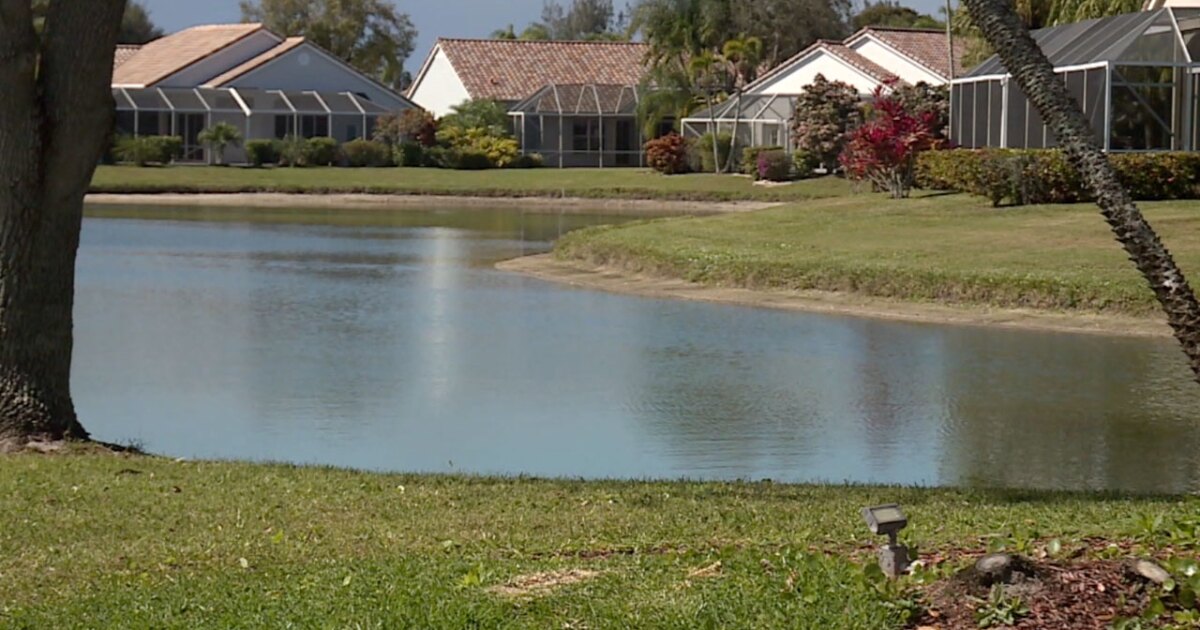
For residents in high-risk coastal areas such as Florida and Louisiana, the consequences of these shifting patterns are stark. Insurance premiums are on the rise, and coverage options are dwindling. Some insurers, faced with the escalating costs of claims, have opted to exit these volatile markets entirely. Major players like Allstate and Berkshire Hathaway have already begun to limit their exposure, citing climate change as a key factor in their strategic recalibrations.

Last Resort Insurance Pools

In response to the diminishing availability of private insurance, coastal states have established last-resort insurance pools. These pools serve as a crucial safety net for property owners who find themselves unable to secure affordable coverage. However, as the costs associated with these pools rise, they too are becoming financially strained, leading to higher premiums or reliance on state tax revenues, further complicating affordability for residents.

The Long-Term Outlook

Looking ahead, the prospect of insurance becoming unaffordable or unattainable looms large. The Future of Financial Services report by GlobalData suggests that regulatory measures to address climate risks may exacerbate these challenges, potentially leading to increased costs and fewer options for policyholders. As insurance becomes more complex and potentially uninsurable, property values in hurricane-prone regions could plummet, deterring investment and destabilizing local economies.

As we navigate this rising tide of risk, the insurance industry must innovate and adapt to ensure that protection remains viable for those who need it most. The stakes have never been higher, and the time for action is now.

More Articles

Getting licensed or staying ahead in your career can be a journey—but it doesn’t have to be overwhelming. Grab your favorite coffee or tea, take a moment to relax, and browse through our articles. Whether you’re just starting out or renewing your expertise, we’ve got tips, insights, and advice to keep you moving forward. Here’s to your success—one sip and one step at a time!

Emerging Trends Shaping the Future of Commercial Real Estate

Commercial real estate is undergoing rapid transformation driven by flexible workspaces, booming industrial demand, sustainability priorities, and advanced building technology. As tenant expectations evolve, investors and professionals who adapt to modular work environments, e-commerce driven logistics growth, green building standards, and tech integrated properties will be best positioned for long term success in an increasingly dynamic market.

Florida Ends Insurance Surcharge Early, Delivering 650 Million Dollars in Statewide Savings

Florida homeowners are getting long-awaited relief as the state ends its 1 percent insurance surcharge two years ahead of schedule. The charge, originally added after multiple insurer failures, will officially conclude on October 1, saving residents an estimated 650 million dollars. While individual savings average about 31 dollars per policy, the move signals a healthier and more stable insurance market—welcome news for homeowners, buyers, and real estate professionals across the state.

Real Estate Tech Gets Smarter: AI, Integrations, and Faster Listing Prep

This week’s biggest real estate tech updates are reshaping how agents market listings, how builders present inventory, and how sellers prep their homes. Canva and Rechat now offer a seamless MLS‑to‑marketing workflow, PulteGroup is expanding AI to create consistent digital listings, and Simplify Home is accelerating pre‑listing improvements with pay‑at‑closing options. These innovations highlight a clear trend: real estate pros who embrace smarter tools will move faster and win more business.

Starting Your Career? New Study Reveals the Best and Worst States for Young Professionals

A new national analysis shows that where you choose to launch your career can dramatically impact your early financial stability, job growth, and long‑term success. Wyoming, Vermont, and the Dakotas offer the strongest opportunities for entry‑level professionals thanks to abundant jobs and affordable housing. Meanwhile, states like California and Hawaii present steep challenges with extremely limited openings and sky‑high living costs. For those eyeing real estate, mortgage, insurance, or finance careers, Florida remains competitive but promising—and Cameron Academy is ready to help you get licensed and career‑ready no matter where you start.

Florida House Advances Major Housing Bill Amid Concerns Over Sprawl

Florida lawmakers have approved HB 399, a sweeping land‑use overhaul that aims to expand housing supply but has sparked concern over weakened local authority and potential sprawl. Supporters argue the bill will ease affordability pressures, while opponents warn it sidelines voter-approved growth protections and shifts too much power toward developers. The measure now moves to the Senate, positioning it as a pivotal issue for real estate professionals navigating Florida’s evolving regulatory landscape.

Florida Keys Buyers Gain the Upper Hand as Market Shifts Toward 2026

A new study shows that buyers in the Florida Keys are gaining more influence over pricing and negotiations, signaling a cooling and maturing market heading into 2026. With increased leverage on the buyer side, real estate professionals must adapt their strategies—sharpening pricing analysis, negotiation skills, and market insights—to stay competitive in a shifting Monroe County landscape.