In the ever-intensifying dance between nature and human resilience, insurance companies find themselves at a critical juncture. As hurricanes grow in frequency and ferocity, the property and casualty (P&C) insurance industry is grappling with a new era of risk, driven largely by climate change. This shift is forcing insurers to reconsider long-standing practices, with traditional risk models faltering under the weight of mounting insured losses.

The Evolving Nature of Hurricane Risk

Today’s hurricanes are no longer the predictable forces they once were. Rapidly intensifying storms, like this year’s devastating Hurricane Helene, have become the norm, particularly in the United States where seven of the ten most expensive insured loss events occurred. This unsettling trend, highlighted by Gallagher Re, underscores the urgent need for the insurance industry to adapt.

Rising Premiums and Narrowing Coverage Options

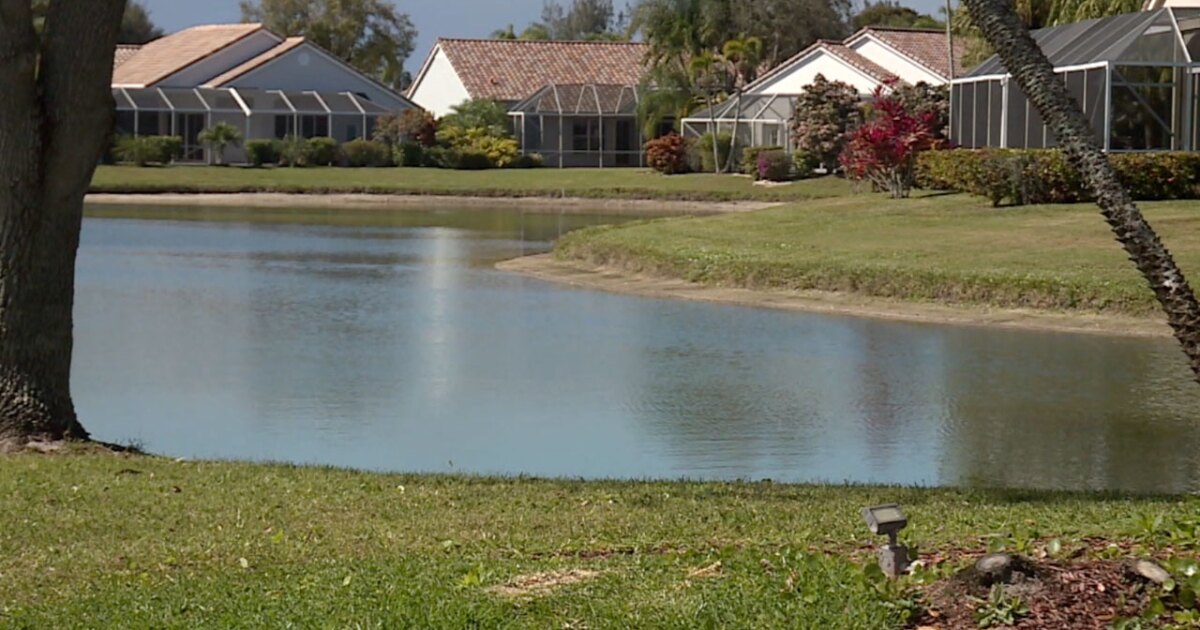
For residents in high-risk coastal areas such as Florida and Louisiana, the consequences of these shifting patterns are stark. Insurance premiums are on the rise, and coverage options are dwindling. Some insurers, faced with the escalating costs of claims, have opted to exit these volatile markets entirely. Major players like Allstate and Berkshire Hathaway have already begun to limit their exposure, citing climate change as a key factor in their strategic recalibrations.

Last Resort Insurance Pools

In response to the diminishing availability of private insurance, coastal states have established last-resort insurance pools. These pools serve as a crucial safety net for property owners who find themselves unable to secure affordable coverage. However, as the costs associated with these pools rise, they too are becoming financially strained, leading to higher premiums or reliance on state tax revenues, further complicating affordability for residents.

The Long-Term Outlook

Looking ahead, the prospect of insurance becoming unaffordable or unattainable looms large. The Future of Financial Services report by GlobalData suggests that regulatory measures to address climate risks may exacerbate these challenges, potentially leading to increased costs and fewer options for policyholders. As insurance becomes more complex and potentially uninsurable, property values in hurricane-prone regions could plummet, deterring investment and destabilizing local economies.

As we navigate this rising tide of risk, the insurance industry must innovate and adapt to ensure that protection remains viable for those who need it most. The stakes have never been higher, and the time for action is now.


More Articles

Getting licensed or staying ahead in your career can be a journey—but it doesn’t have to be overwhelming. Grab your favorite coffee or tea, take a moment to relax, and browse through our articles. Whether you’re just starting out or renewing your expertise, we’ve got tips, insights, and advice to keep you moving forward. Here’s to your success—one sip and one step at a time!

The Surprising Way to Profit From the AI Boom: It’s Not Tech—It’s Real Estate

While most people chase AI stocks or compete for high‑pressure tech jobs, the real opportunity may be unfolding in AI boomtown real estate. As companies like OpenAI, Anthropic, Microsoft, and NVIDIA mint new waves of wealthy workers, demand for housing in key cities is exploding. From San Francisco to Austin, AI‑driven markets are seeing rising rents, limited inventory, and buyers preparing for massive IPO windfalls. For real estate professionals—or anyone entering the field—this surge represents one of the strongest long‑term opportunities in the industry.

Florida Ends Insurance Surcharge Early, Saving Homeowners $650 Million

Florida is ending its 1 percent emergency insurance surcharge two years ahead of schedule, saving homeowners an estimated 650 million dollars through 2028. Thanks to a calm hurricane season, fewer insurer failures, and reduced lawsuits, officials say the state’s property insurance market is now in its strongest financial position in a decade. The change offers relief for homeowners and new momentum for Florida’s real estate industry, where lower insurance costs can boost buyer confidence and support smoother transactions.

The Hidden Risk: Why Banning Big Investors Could Shrink Housing Options for Millions

A growing political push to block institutional investors from buying single-family homes may sound like a pro-homeowner policy, but the data shows it could do the opposite. Younger and racially diverse renters rely heavily on single-family rentals as an affordable, stable alternative to buying—yet restricting investor participation would shrink this supply, pushing many families into overcrowded housing, motels, or homelessness. The real issue isn’t who buys the homes, but that America doesn’t have enough of them.

Agents Embrace AI and Simplicity: Zillow’s 2026 Survey Shows What Real Estate Pros Really Want

Zillow’s 2026 Agent Trends Survey reveals a major shift in what agents value most: technology that reduces mental drain. Nearly half of agents now use AI tools daily, yet most still juggle multiple platforms that sap their focus. Zillow’s upcoming unified platform, Zillow Pro, aims to streamline workflows and cut cognitive load. The survey also highlights key industry trends, including buyer financial literacy gaps, the importance of relationships for lead generation and the growing need for tech fluency among both new and seasoned real estate professionals.

Florida Cities With the Fastest Growing Home Prices in 2026

Florida’s housing market is still surging, with luxury enclaves like Lake Buena Vista, Jupiter Island, and Golden Beach seeing massive six‑figure price jumps in just one year. Smaller towns such as Old Town, Cross City, and Hosford also posted steady gains, proving demand is rising statewide. For real estate professionals, these trends highlight where buyers are moving, where inventory is tight, and where future opportunities lie—making market literacy an essential advantage for anyone pursuing or expanding a career in Florida real estate.

Rhode Island Unveils Bold Housing Package to Tackle Affordability Crisis

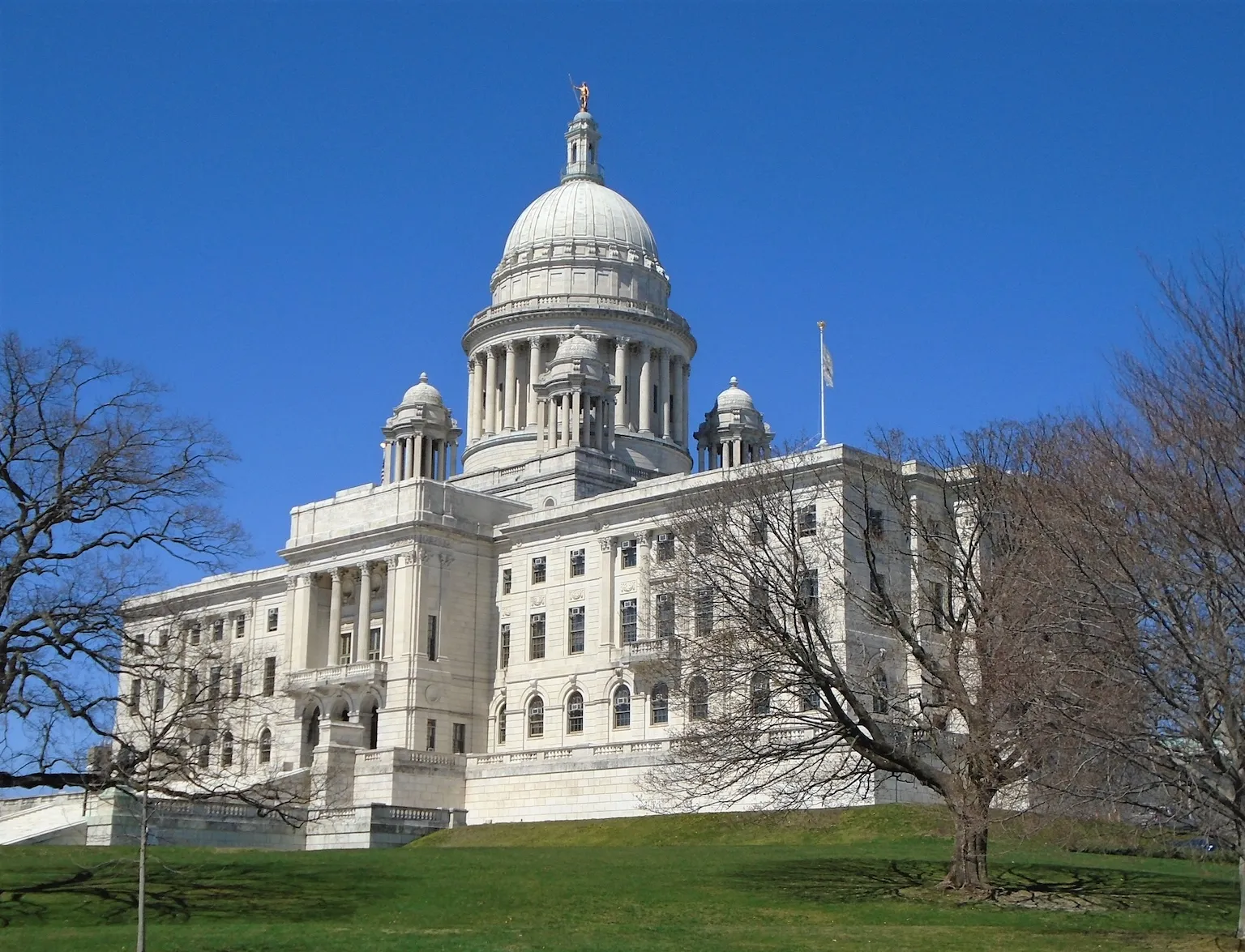
Rhode Island is launching its sixth major housing reform package, aiming to boost affordability through zoning updates, lot splits, code changes, and the revival of single room occupancy and co‑living housing. With the state still recovering from years of underbuilding and soaring home prices, lawmakers hope these reforms will unlock new supply, ease pressure on renters and buyers, and create fresh opportunities for real estate professionals.