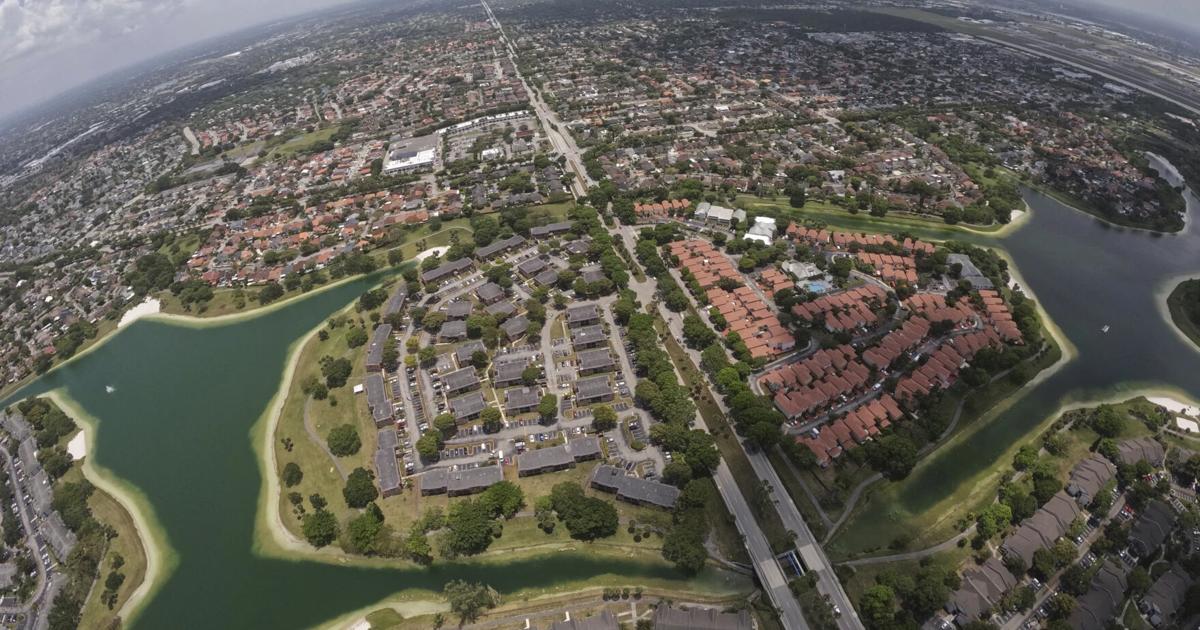
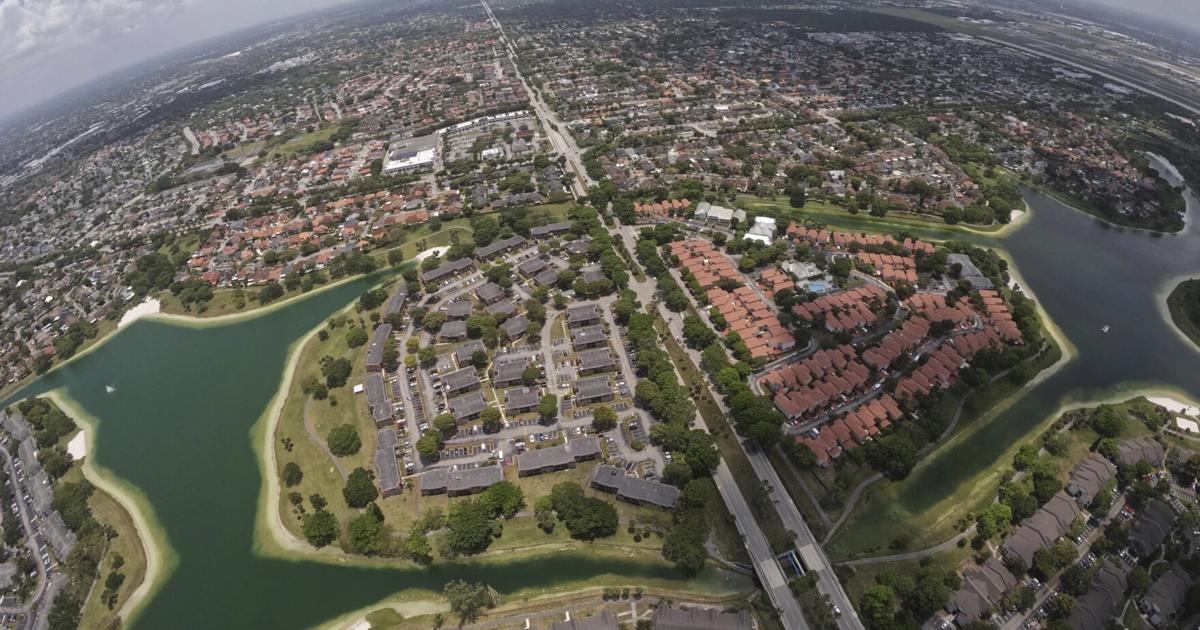
In the picturesque yet precarious landscape of North Carolina’s Outer Banks, the allure of oceanfront living is increasingly shadowed by the ominous threat of climate change. Just last week, a $650,000 beachfront home succumbed to the relentless encroachment of the sea, collapsing into the Atlantic. This marks the sixth such incident in the region over the past four years, underscoring the urgent climate threats coastal properties face while the housing market seemingly turns a blind eye.

Despite the stark reality of rising sea levels, which research suggests could impact up to 13 million American homes by 2100, the demand for coastal properties remains robust. According to a recent paper published in Nature Communications, U.S. coastal properties have appreciated faster than those in inland zones, driven by affluent buyers eager for waterfront views.

“Consumers are clearly mindful that…climate change impacts could be within the window of a 30-year mortgage, but their current behavior still implies that to have a view of the ocean is more desirable,” explained Lawrence Yun, chief economist at the National Association of Realtors, to the paper’s authors.

The Outer Banks, a series of low-lying barrier islands, are particularly vulnerable to rising sea levels and coastal erosion. Some areas have recorded sea level rises of up to seven inches in recent years. Following last week’s house collapse, local authorities have taken action, shutting down a stretch of road and urging visitors to remain cautious, as detailed in a National Park Service advisory.

This phenomenon is not isolated to North Carolina. Coastal regions across the U.S. are experiencing more severe storms and heavier rainfall, further eroding shorelines. In Salisbury, Massachusetts, homeowners spent half a million dollars trucking in sand to protect their properties from coastal storms earlier this spring. Similarly, a $16 million mansion in Dana Point, California, teeters on the brink of collapse into the Pacific.

Average sea levels along the American coastline are expected to rise exponentially over the coming decades, threatening the 40% of the population residing in coastal zones, as reported by the NOAA.

The rising threat of coastal flooding and erosion has led to insurance companies retreating inland. In Florida, a state whose highest point is a mere 345 feet above sea level, multiple major insurers have pulled out, causing consumers’ premiums to soar. Nonetheless, Florida home values have surged since the pandemic, with the average home in the southern part of the state reportedly 35% overvalued.

“It’s not a matter of if, but when coastal communities approach complete inundation,” said Duke University economics professor Martin Smith, who co-authored a paper proposing a model for coastal property values. “The question is: Are there more effective ways to manage coastal areas in the next few decades that could smooth this transition?”

As the tide of climate change continues to rise, the juxtaposition of booming coastal property values against the backdrop of environmental peril presents a complex challenge for homeowners, policymakers, and the real estate market alike. The original article from Fortune provides an in-depth exploration of these pressing issues.

More Articles

Getting licensed or staying ahead in your career can be a journey—but it doesn’t have to be overwhelming. Grab your favorite coffee or tea, take a moment to relax, and browse through our articles. Whether you’re just starting out or renewing your expertise, we’ve got tips, insights, and advice to keep you moving forward. Here’s to your success—one sip and one step at a time!

South Florida Housing Market Gains Momentum for 2026 as Mortgage Rates Decline

Lower interest rates, improving buyer confidence, and a resilient job market are setting the stage for a stronger South Florida real estate landscape in 2026. After a steadier‑than‑expected 2025, single‑family homes remain competitive, condos are stabilizing despite regulatory pressures, and commercial real estate continues to outperform national trends — giving industry professionals plenty to watch in the year ahead.

2026 Housing Market Outlook: Are We Finally Heading Toward Stability?

Economists across the housing industry are signaling that 2026 may finally bring a true market rebalance. With mortgage rates expected to ease, inventory slowly expanding and affordability showing its first real improvement in years, home sales could climb by 14% nationwide. Prices are projected to rise only modestly, builders are ramping up cautiously and shifting demographics are reshaping who’s buying—and what they’re looking for. For real estate and finance professionals, this more active and balanced landscape sets the stage for a strong year of opportunity.

Lower Interest Rates Spark New Optimism in South Florida’s 2026 Real Estate Market

South Florida enters 2026 with renewed confidence as easing mortgage rates, a solid job market, and stabilizing housing trends breathe life back into both single‑family and condo sectors. After an uneven 2025 marked by high costs and condo‑related challenges, lower borrowing rates are drawing buyers back, encouraging more homeowners to list, and positioning the region for a more balanced — though still competitive — year ahead.

Six Real Estate Trends Reshaping the U.S. Market in 2026

The U.S. real estate landscape is entering a defining year, driven by AI innovation, reimagined office spaces, immersive retail, and resilient industrial growth. Investors are becoming more selective, while ESG expectations are solidifying into essential standards for value and tenant demand. For professionals looking to stay competitive in 2026, understanding these shifts—and upskilling accordingly—will be key to navigating an industry rapidly transforming in real time.

Conforming Mortgage Credit Availability Plunges to Record Low as Lenders Tighten Standards

Conforming mortgage credit has dropped to its lowest level since the MBA began tracking it in 2011, signaling a major tightening in loan options as 2026 begins. December’s Mortgage Credit Availability Index fell 2.6%, driven by shrinking ARM offerings, fewer cash‑out refi programs, and stricter documentation requirements. With conforming loans seeing the sharpest decline—down 3.8%—both buyers and mortgage professionals face a more challenging lending landscape that demands stronger financial profiles and up‑to‑date industry knowledge.

Creative Strategies Are Finally Helping First-Time Buyers Break Into the 2026 Housing Market

A new NAR outlook shows that first-time buyers may finally be gaining traction in 2026 as rising inventory, easing rates, and creative financing strategies open long-awaited pathways into homeownership. From ARMs and government-backed loans to family support, grants, and co-buying, younger buyers are finding new ways to “make the math work.” Builders are also stepping in with incentives and expanded townhome construction, signaling a slow but meaningful shift toward improved affordability.