In the picturesque yet precarious landscape of North Carolina’s Outer Banks, the allure of oceanfront living is increasingly shadowed by the ominous threat of climate change. Just last week, a $650,000 beachfront home succumbed to the relentless encroachment of the sea, collapsing into the Atlantic. This marks the sixth such incident in the region over the past four years, underscoring the urgent climate threats coastal properties face while the housing market seemingly turns a blind eye.

Despite the stark reality of rising sea levels, which research suggests could impact up to 13 million American homes by 2100, the demand for coastal properties remains robust. According to a recent paper published in Nature Communications, U.S. coastal properties have appreciated faster than those in inland zones, driven by affluent buyers eager for waterfront views.

“Consumers are clearly mindful that…climate change impacts could be within the window of a 30-year mortgage, but their current behavior still implies that to have a view of the ocean is more desirable,” explained Lawrence Yun, chief economist at the National Association of Realtors, to the paper’s authors.

The Outer Banks, a series of low-lying barrier islands, are particularly vulnerable to rising sea levels and coastal erosion. Some areas have recorded sea level rises of up to seven inches in recent years. Following last week’s house collapse, local authorities have taken action, shutting down a stretch of road and urging visitors to remain cautious, as detailed in a National Park Service advisory.

This phenomenon is not isolated to North Carolina. Coastal regions across the U.S. are experiencing more severe storms and heavier rainfall, further eroding shorelines. In Salisbury, Massachusetts, homeowners spent half a million dollars trucking in sand to protect their properties from coastal storms earlier this spring. Similarly, a $16 million mansion in Dana Point, California, teeters on the brink of collapse into the Pacific.

Average sea levels along the American coastline are expected to rise exponentially over the coming decades, threatening the 40% of the population residing in coastal zones, as reported by the NOAA.

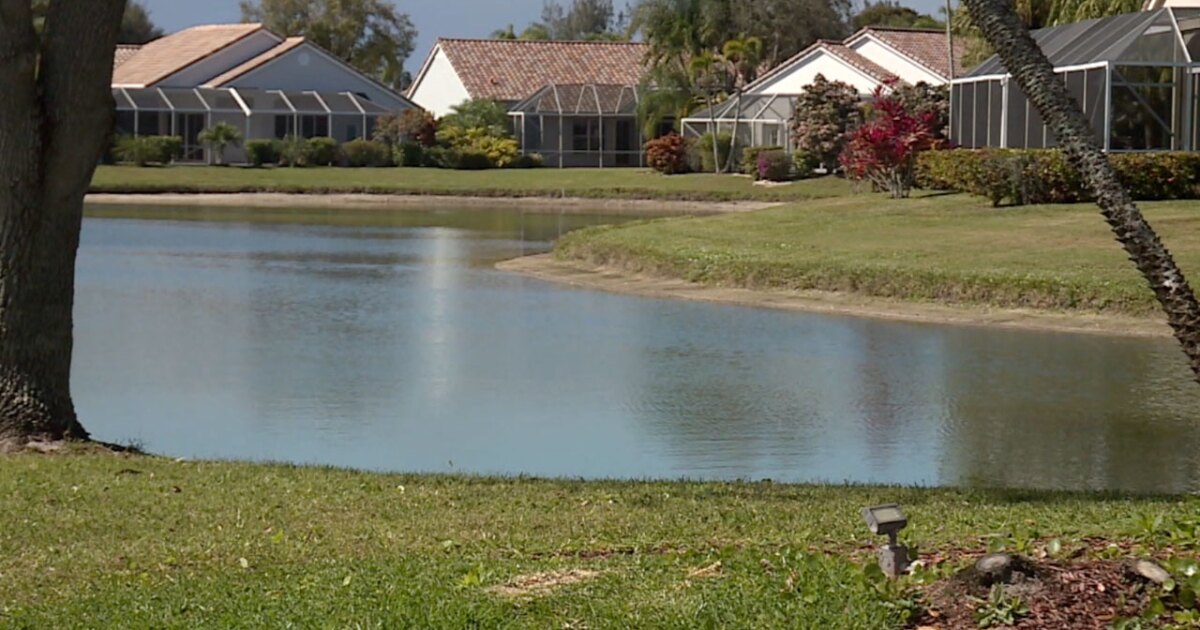
The rising threat of coastal flooding and erosion has led to insurance companies retreating inland. In Florida, a state whose highest point is a mere 345 feet above sea level, multiple major insurers have pulled out, causing consumers’ premiums to soar. Nonetheless, Florida home values have surged since the pandemic, with the average home in the southern part of the state reportedly 35% overvalued.

“It’s not a matter of if, but when coastal communities approach complete inundation,” said Duke University economics professor Martin Smith, who co-authored a paper proposing a model for coastal property values. “The question is: Are there more effective ways to manage coastal areas in the next few decades that could smooth this transition?”

As the tide of climate change continues to rise, the juxtaposition of booming coastal property values against the backdrop of environmental peril presents a complex challenge for homeowners, policymakers, and the real estate market alike. The original article from Fortune provides an in-depth exploration of these pressing issues.

More Articles

Getting licensed or staying ahead in your career can be a journey—but it doesn’t have to be overwhelming. Grab your favorite coffee or tea, take a moment to relax, and browse through our articles. Whether you’re just starting out or renewing your expertise, we’ve got tips, insights, and advice to keep you moving forward. Here’s to your success—one sip and one step at a time!

The Surprising Way to Profit From the AI Boom: It’s Not Tech—It’s Real Estate

While most people chase AI stocks or compete for high‑pressure tech jobs, the real opportunity may be unfolding in AI boomtown real estate. As companies like OpenAI, Anthropic, Microsoft, and NVIDIA mint new waves of wealthy workers, demand for housing in key cities is exploding. From San Francisco to Austin, AI‑driven markets are seeing rising rents, limited inventory, and buyers preparing for massive IPO windfalls. For real estate professionals—or anyone entering the field—this surge represents one of the strongest long‑term opportunities in the industry.

Florida Ends Insurance Surcharge Early, Saving Homeowners $650 Million

Florida is ending its 1 percent emergency insurance surcharge two years ahead of schedule, saving homeowners an estimated 650 million dollars through 2028. Thanks to a calm hurricane season, fewer insurer failures, and reduced lawsuits, officials say the state’s property insurance market is now in its strongest financial position in a decade. The change offers relief for homeowners and new momentum for Florida’s real estate industry, where lower insurance costs can boost buyer confidence and support smoother transactions.

The Hidden Risk: Why Banning Big Investors Could Shrink Housing Options for Millions

A growing political push to block institutional investors from buying single-family homes may sound like a pro-homeowner policy, but the data shows it could do the opposite. Younger and racially diverse renters rely heavily on single-family rentals as an affordable, stable alternative to buying—yet restricting investor participation would shrink this supply, pushing many families into overcrowded housing, motels, or homelessness. The real issue isn’t who buys the homes, but that America doesn’t have enough of them.

Agents Embrace AI and Simplicity: Zillow’s 2026 Survey Shows What Real Estate Pros Really Want

Zillow’s 2026 Agent Trends Survey reveals a major shift in what agents value most: technology that reduces mental drain. Nearly half of agents now use AI tools daily, yet most still juggle multiple platforms that sap their focus. Zillow’s upcoming unified platform, Zillow Pro, aims to streamline workflows and cut cognitive load. The survey also highlights key industry trends, including buyer financial literacy gaps, the importance of relationships for lead generation and the growing need for tech fluency among both new and seasoned real estate professionals.

Florida Cities With the Fastest Growing Home Prices in 2026

Florida’s housing market is still surging, with luxury enclaves like Lake Buena Vista, Jupiter Island, and Golden Beach seeing massive six‑figure price jumps in just one year. Smaller towns such as Old Town, Cross City, and Hosford also posted steady gains, proving demand is rising statewide. For real estate professionals, these trends highlight where buyers are moving, where inventory is tight, and where future opportunities lie—making market literacy an essential advantage for anyone pursuing or expanding a career in Florida real estate.

Rhode Island Unveils Bold Housing Package to Tackle Affordability Crisis

Rhode Island is launching its sixth major housing reform package, aiming to boost affordability through zoning updates, lot splits, code changes, and the revival of single room occupancy and co‑living housing. With the state still recovering from years of underbuilding and soaring home prices, lawmakers hope these reforms will unlock new supply, ease pressure on renters and buyers, and create fresh opportunities for real estate professionals.