In the picturesque yet precarious landscape of North Carolina’s Outer Banks, the allure of oceanfront living is increasingly shadowed by the ominous threat of climate change. Just last week, a $650,000 beachfront home succumbed to the relentless encroachment of the sea, collapsing into the Atlantic. This marks the sixth such incident in the region over the past four years, underscoring the urgent climate threats coastal properties face while the housing market seemingly turns a blind eye.

Despite the stark reality of rising sea levels, which research suggests could impact up to 13 million American homes by 2100, the demand for coastal properties remains robust. According to a recent paper published in Nature Communications, U.S. coastal properties have appreciated faster than those in inland zones, driven by affluent buyers eager for waterfront views.

“Consumers are clearly mindful that…climate change impacts could be within the window of a 30-year mortgage, but their current behavior still implies that to have a view of the ocean is more desirable,” explained Lawrence Yun, chief economist at the National Association of Realtors, to the paper’s authors.

The Outer Banks, a series of low-lying barrier islands, are particularly vulnerable to rising sea levels and coastal erosion. Some areas have recorded sea level rises of up to seven inches in recent years. Following last week’s house collapse, local authorities have taken action, shutting down a stretch of road and urging visitors to remain cautious, as detailed in a National Park Service advisory.

This phenomenon is not isolated to North Carolina. Coastal regions across the U.S. are experiencing more severe storms and heavier rainfall, further eroding shorelines. In Salisbury, Massachusetts, homeowners spent half a million dollars trucking in sand to protect their properties from coastal storms earlier this spring. Similarly, a $16 million mansion in Dana Point, California, teeters on the brink of collapse into the Pacific.

Average sea levels along the American coastline are expected to rise exponentially over the coming decades, threatening the 40% of the population residing in coastal zones, as reported by the NOAA.

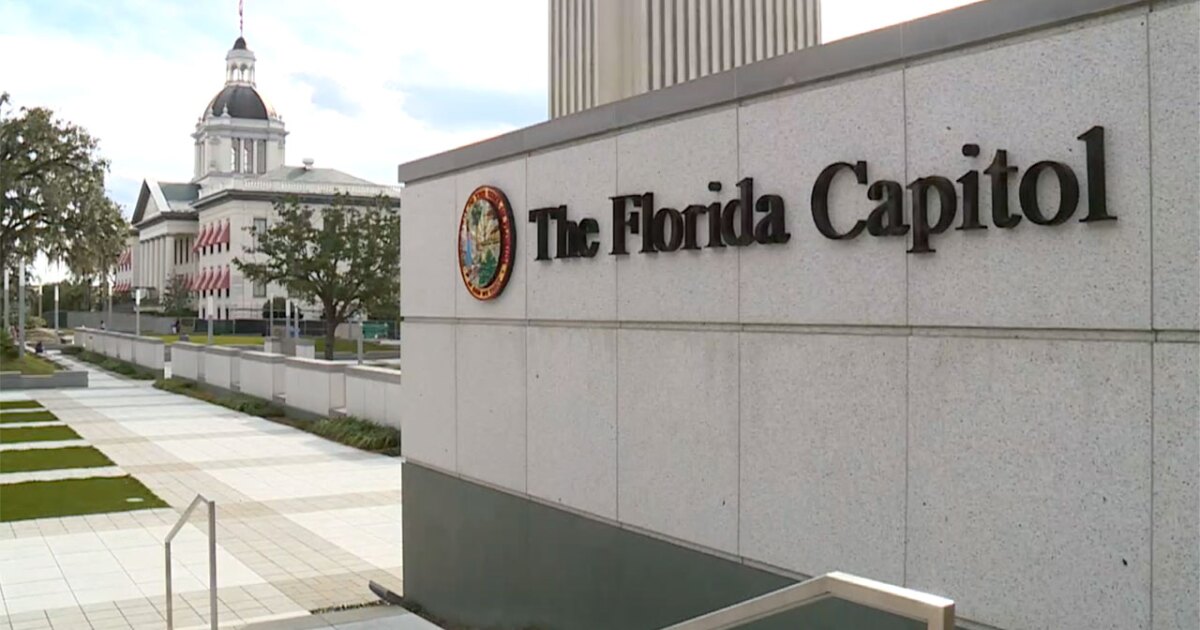
The rising threat of coastal flooding and erosion has led to insurance companies retreating inland. In Florida, a state whose highest point is a mere 345 feet above sea level, multiple major insurers have pulled out, causing consumers’ premiums to soar. Nonetheless, Florida home values have surged since the pandemic, with the average home in the southern part of the state reportedly 35% overvalued.

“It’s not a matter of if, but when coastal communities approach complete inundation,” said Duke University economics professor Martin Smith, who co-authored a paper proposing a model for coastal property values. “The question is: Are there more effective ways to manage coastal areas in the next few decades that could smooth this transition?”

As the tide of climate change continues to rise, the juxtaposition of booming coastal property values against the backdrop of environmental peril presents a complex challenge for homeowners, policymakers, and the real estate market alike. The original article from Fortune provides an in-depth exploration of these pressing issues.

More Articles

Getting licensed or staying ahead in your career can be a journey—but it doesn’t have to be overwhelming. Grab your favorite coffee or tea, take a moment to relax, and browse through our articles. Whether you’re just starting out or renewing your expertise, we’ve got tips, insights, and advice to keep you moving forward. Here’s to your success—one sip and one step at a time!

Average Life Insurance Rates for March 2026: Key Insights for Professionals

The average life insurance premium in 2026 sits at about 26 dollars per month for a healthy 40-year-old seeking a 20-year, 500,000 dollar term policy, according to recent industry data. Rates continue to be influenced by factors like age, health, and risk class, while certain personal details—such as marital status or number of beneficiaries—have no impact on pricing. With term, whole life, and no-exam options showing wide cost differences, professionals in real estate, insurance, mortgage, and finance can benefit from understanding how underwriting works. This knowledge not only helps with personal financial planning but also supports advising clients effectively in these interconnected industries.

AI for Real Estate Agents: How to Use Bots to Save Time and Grow Your Business

AI is becoming a powerful partner for real estate agents, helping automate repetitive tasks like lead responses, follow ups, marketing content, and paperwork so you can focus on clients and closing deals. From 24/7 chat assistants to AI enhanced visuals and predictive analytics, agents using these tools are gaining a competitive edge without needing technical skills.

Florida Cities With the Fastest Growing Home Prices: What the 2026 Market Is Revealing

Florida’s housing market continues to outpace national growth, with several cities experiencing sharp jumps in home values driven by high demand and limited inventory. New data from Zillow highlights where price acceleration is strongest—from luxury enclaves like Golden Beach and Lake Buena Vista to more affordable markets such as Old Town. For real estate professionals, these insights spotlight emerging opportunities, shifting buyer behavior, and areas of rising investment interest across the state.

Baltimore Cracks Down on Unlicensed Rentals in Major Compliance Overhaul

Baltimore is moving to close key loopholes in its rental licensing system after thousands of unlicensed and unsafe units came to light. A new city proposal would strengthen enforcement, increase audits, and protect tenants from negligent landlords. With nearly half of rentals still unlicensed, the reform highlights why compliance and ethical property management remain essential across the real estate industry.

Florida House Unanimously Passes HB 767 to Increase Insurance Transparency

Florida lawmakers have taken a major step toward helping homeowners understand rising insurance costs. The Florida House voted 114-0 to approve HB 767, a bill that would require insurers to publicly share more of the data behind their rate increases. While the bill doesn’t limit premiums, it aims to give consumers, real estate professionals, and analysts clearer insight into how insurance companies set their prices as it now heads to the Senate for consideration.

American Journalist Leaves Her Dream Job for Spain and Discovers a New Kind of Success

A rising public‑radio journalist walked away from the career she worked years to build after a spontaneous trip to Spain made her question what she truly wanted from life. Trading stability for a teaching visa and a slower pace in Seville, she faced financial uncertainty, culture shocks, and doubts about her future—yet also gained safety, freedom, and a renewed sense of self. Her journey is a reminder that major career shifts, whether abroad or at home, can open the door to unexpected possibilities.