Self‑Storage Investing in 2026: Why a “Thaw” Is Creating New Opportunities for Investors
After several years of chilled activity caused by rising interest rates, the self-storage investment market is finally showing signs of warming up. According to research from Marcus & Millichap, a new industry cycle is emerging—one marked by improved optimism, recalibrated pricing, and growing lender confidence. For investors, operators, and professionals exploring commercial real estate opportunities, 2026 is shaping up to be pivotal.
Acquisitions: A Shift Toward Quality and Strategic Plays
Acquisitions are picking up momentum after values dropped nearly 25% from their 2022 peak—one of the steepest resets outside office real estate. A more balanced environment has emerged, where seasoned investors pursue higher‑quality assets in prime markets.
Rick Schontz of City Line Capital reports a 15% rise in one-off transactions and a 65% overall boost thanks to a major portfolio closing. His team sees heightened demand for newly built, climate‑controlled facilities—especially in Sun Belt regions and infill areas where population growth remains strong.
Operational improvements are becoming a strategic goldmine. James McLean of Union Realtime highlights the upside in optimizing single‑story, drive‑up facilities in secondary suburban locations. This reflects a broader shift toward value‑add opportunities powered by strong management discipline.
Even REITs have re‑entered the arena, selectively acquiring one‑off deals where they already hold competitive market share. Private buyers and 1031 exchange investors dominate below $10 million, often targeting stable class‑B and class‑C facilities.
Overall, as buyers become more sophisticated, institutional capital continues to lead the charge—positioned to outperform as fundamentals normalize.
Development: A Much‑Needed Reset Before the Next Wave
The development pipeline slowed dramatically in 2025, producing roughly 400 new facilities—far below prior years. Yet this correction may be exactly what the sector needed. Oversupply had pressured rents, and developers are now adopting a more measured approach.
Even with expected interest‑rate cuts, experts like Cory Sylvester of DXD Capital believe development will remain restrained until the supply‑demand balance stabilizes. Construction costs, underwriting complexity, and shifting REIT pricing strategies continue to shape the landscape.
Conversions, however, are booming. Developers are transforming retail and industrial properties into storage—projects that often deliver stronger ROI, faster lease‑ups, and lower build costs. As Wayde Elliot of StoreIt notes, conversions and infill strategies are now leading many development pipelines.
The housing market remains a critical influence. As home sales rise and mobility increases, storage demand will likely strengthen, offering developers clearer signals.
Financing: Borrowers Get Breathing Room as Rates Improve
The lending environment improved steadily throughout 2025, with falling rates reactivating borrowers. In DXD’s survey, more than 94% of lenders expressed ongoing interest in self‑storage—an impressive vote of confidence.
Acquisition financing continues to dominate, followed closely by construction and refinancing demand. Borrowers who had paused their activity now find loan terms attractive enough to reengage, with loan sizes ranging from $5 million to over $200 million.
While lease‑up periods now stretch 24–36 months instead of the earlier 18‑month window, overall loan performance remains steady. Many lenders expect additional rate cuts through 2026—potentially unlocking even more deal volume.
What This Means for Investors in 2026
The self‑storage industry is entering a healthier, more stable cycle. Lower rates, stronger fundamentals, disciplined development, and rising demand indicators all point toward a favorable investing runway.
Experts expect deal volume to climb steadily over the next year, with fundamentals normalizing within one to three years. As construction slows and demand evens out, investors can look forward to strategic acquisitions, smarter development, and competitive lending conditions.
This is an outstanding moment for professionals—whether seasoned or just entering commercial real estate—to elevate their expertise and prepare for new opportunities.
If you’re exploring real estate licensing or expanding your investment education, Cameron Academy offers flexible online courses designed for modern professionals. As the industry evolves, the right preparation ensures you’re ready to capitalize.
Getting licensed or staying ahead in your career can be a journey—but it doesn’t have to be overwhelming. Grab your favorite coffee or tea, take a moment to relax, and browse through our articles. Whether you’re just starting out or renewing your expertise, we’ve got tips, insights, and advice to keep you moving forward. Here’s to your success—one sip and one step at a time!
Los Alamitos Race Course is facing its most serious crisis in years after 18 horses died in 2025, prompting regulators to warn the track that its racing license is at risk without immediate safety reforms. Following three catastrophic injuries in a single day, the California Horse Racing Board has ordered urgent changes—including more veterinarians, stricter medication rules, and enhanced on‑track medical support—as pressure mounts for stronger oversight in a sport already under national scrutiny.
Canadian investors have poured more than US$5.8 billion into U.S. commercial real estate this year, making the U.S. their top destination even amid a lingering tariff dispute. Tight inventory in Canada and greater deal availability south of the border are driving the trend, with data centers and industrial properties emerging as the hottest targets for 2025.
Florida’s insurance commissioner says even industry pros struggle to read today’s 150‑page homeowners policies—leaving residents shocked when hurricane claims are denied. With rising premiums, high replacement costs, and widespread confusion over exclusions like flood and water damage, the state is pushing for simpler, clearer policy language so homeowners know what they’re actually covered for before the next storm hits.
Following the 2025 elections, major metros like New York, Chicago, Miami, Los Angeles, and Boston are implementing policy shifts that could reshape property values, rental income, development timelines, and investment strategy heading into 2026. From New York’s push toward aggressive rent reform to Chicago’s sustainability mandates and Miami’s uncertain mayoral runoff, these changes signal a new era where local politics increasingly dictate market performance. This breakdown highlights the biggest post‑election real estate pivots and what they mean for investors, agents, and finance professionals preparing for a rapidly evolving landscape.
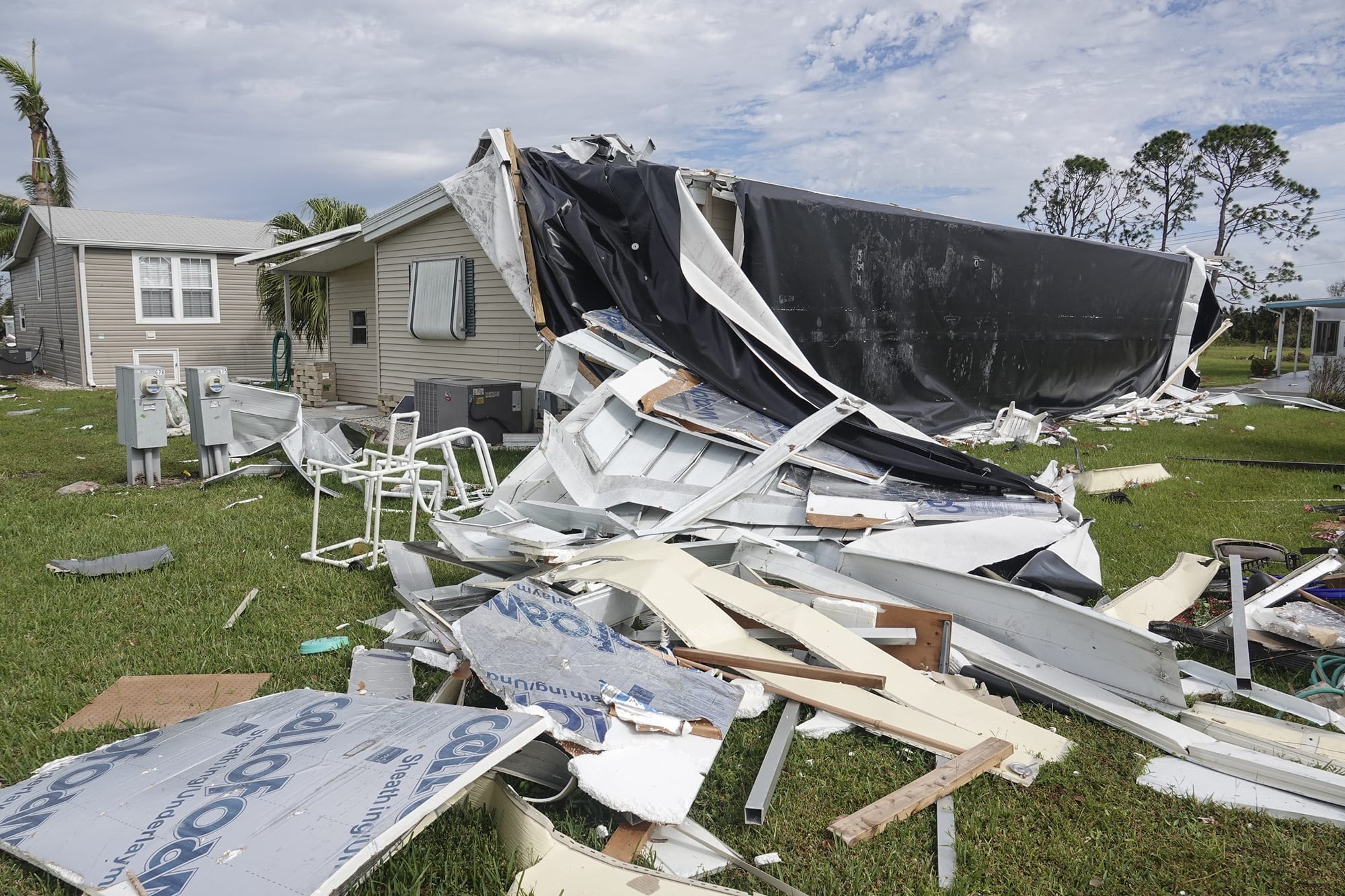
Florida’s Insurance Commissioner is sounding the alarm after thousands of homeowners discovered—only after hurricanes Helene and Milton—that the coverage they thought they had didn’t exist. With nearly 150,000 unpaid claims tied to misunderstood flood exclusions, water‑damage caps, and buried policy clauses, state leaders are pushing to simplify the dense, confusing documents most Floridians never read. As insurance costs remain one of the state’s top concerns, this growing complexity is creating a massive opportunity for real estate, mortgage, and insurance professionals to guide consumers before disaster strikes.
Florida’s insurance market is reliving an old crisis under a new name. Despite reforms meant to stabilize the system, homeowners are being forced out of Citizens and into pricier policies from small insurers with shaky financial histories. Companies tied to past insolvencies are returning with fresh branding, while highly rated carriers continue to deny a majority of claims. With political influence muddying regulation and climate risks rising, experts warn that only a full structural overhaul—not cosmetic reforms—can restore confidence for homeowners, agents, and the entire real estate market.