Self‑Storage Investing in 2026: Why a “Thaw” Is Creating New Opportunities for Investors
After several years of chilled activity caused by rising interest rates, the self-storage investment market is finally showing signs of warming up. According to research from Marcus & Millichap, a new industry cycle is emerging—one marked by improved optimism, recalibrated pricing, and growing lender confidence. For investors, operators, and professionals exploring commercial real estate opportunities, 2026 is shaping up to be pivotal.
Acquisitions: A Shift Toward Quality and Strategic Plays
Acquisitions are picking up momentum after values dropped nearly 25% from their 2022 peak—one of the steepest resets outside office real estate. A more balanced environment has emerged, where seasoned investors pursue higher‑quality assets in prime markets.
Rick Schontz of City Line Capital reports a 15% rise in one-off transactions and a 65% overall boost thanks to a major portfolio closing. His team sees heightened demand for newly built, climate‑controlled facilities—especially in Sun Belt regions and infill areas where population growth remains strong.
Operational improvements are becoming a strategic goldmine. James McLean of Union Realtime highlights the upside in optimizing single‑story, drive‑up facilities in secondary suburban locations. This reflects a broader shift toward value‑add opportunities powered by strong management discipline.
Even REITs have re‑entered the arena, selectively acquiring one‑off deals where they already hold competitive market share. Private buyers and 1031 exchange investors dominate below $10 million, often targeting stable class‑B and class‑C facilities.
Overall, as buyers become more sophisticated, institutional capital continues to lead the charge—positioned to outperform as fundamentals normalize.
Development: A Much‑Needed Reset Before the Next Wave
The development pipeline slowed dramatically in 2025, producing roughly 400 new facilities—far below prior years. Yet this correction may be exactly what the sector needed. Oversupply had pressured rents, and developers are now adopting a more measured approach.
Even with expected interest‑rate cuts, experts like Cory Sylvester of DXD Capital believe development will remain restrained until the supply‑demand balance stabilizes. Construction costs, underwriting complexity, and shifting REIT pricing strategies continue to shape the landscape.
Conversions, however, are booming. Developers are transforming retail and industrial properties into storage—projects that often deliver stronger ROI, faster lease‑ups, and lower build costs. As Wayde Elliot of StoreIt notes, conversions and infill strategies are now leading many development pipelines.
The housing market remains a critical influence. As home sales rise and mobility increases, storage demand will likely strengthen, offering developers clearer signals.
Financing: Borrowers Get Breathing Room as Rates Improve
The lending environment improved steadily throughout 2025, with falling rates reactivating borrowers. In DXD’s survey, more than 94% of lenders expressed ongoing interest in self‑storage—an impressive vote of confidence.
Acquisition financing continues to dominate, followed closely by construction and refinancing demand. Borrowers who had paused their activity now find loan terms attractive enough to reengage, with loan sizes ranging from $5 million to over $200 million.
While lease‑up periods now stretch 24–36 months instead of the earlier 18‑month window, overall loan performance remains steady. Many lenders expect additional rate cuts through 2026—potentially unlocking even more deal volume.
What This Means for Investors in 2026
The self‑storage industry is entering a healthier, more stable cycle. Lower rates, stronger fundamentals, disciplined development, and rising demand indicators all point toward a favorable investing runway.
Experts expect deal volume to climb steadily over the next year, with fundamentals normalizing within one to three years. As construction slows and demand evens out, investors can look forward to strategic acquisitions, smarter development, and competitive lending conditions.
This is an outstanding moment for professionals—whether seasoned or just entering commercial real estate—to elevate their expertise and prepare for new opportunities.
If you’re exploring real estate licensing or expanding your investment education, Cameron Academy offers flexible online courses designed for modern professionals. As the industry evolves, the right preparation ensures you’re ready to capitalize.
Getting licensed or staying ahead in your career can be a journey—but it doesn’t have to be overwhelming. Grab your favorite coffee or tea, take a moment to relax, and browse through our articles. Whether you’re just starting out or renewing your expertise, we’ve got tips, insights, and advice to keep you moving forward. Here’s to your success—one sip and one step at a time!
Just 48 hours after NAR unveiled major revisions to its MLS policies, plaintiffs in the Michigan-based Hardy lawsuit moved to use those changes as evidence, arguing they prove NAR’s prior rules were anticompetitive. NAR denies any wrongdoing, but the case is quickly becoming a key test for whether MLS access should require Realtor membership — a question now echoing across multiple states and potentially reshaping how real estate professionals nationwide access the industry’s most essential tool.
Florida homeowners are now paying some of the highest insurance premiums in the country, with average costs topping $5,800 per year—nearly double the national average. Residents report skyrocketing rates, denied claims, and tough choices between costly coverage and financial risk. As frustration grows, lawmakers and consumer advocates are pushing new reforms aimed at increasing transparency, capping rate hikes, and protecting policyholders in one of the nation’s most volatile insurance markets.
Economic uncertainty, rapid AI adoption, tighter capital flows, and rising portfolio risk are reshaping the 2026 commercial real estate landscape. From shifting workforce patterns to a national housing attainability crisis, the industry is entering a data‑driven, fundamentals‑focused era—making adaptability, education, and tech literacy essential for real estate professionals.
Mortgage rates have climbed to 6.23 percent as investors grow doubtful that the Federal Reserve will deliver a rate cut in December. A soft but unclear jobs report and persistent inflation have pushed borrowing costs higher, reversing October’s brief relief in the housing market. Real estate and mortgage professionals should prepare clients for continued volatility as the Fed’s December meeting approaches.
After years of tight inventory, high mortgage rates, and sluggish sales, economists say 2026 is shaping up to be the turnaround real estate professionals have been waiting for. NAR projects a 14 percent jump in home sales, mortgage rates easing toward 6 percent, and buyer demand finally gaining momentum. While higher‑end homes are moving quickly, first‑time buyers continue to face affordability challenges, and price reductions are reappearing as sellers adjust to shifting conditions. For Florida agents, brokers, and newcomers, the stage is being set for a busy and opportunity‑rich year.
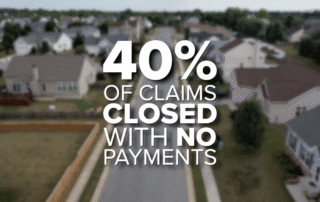
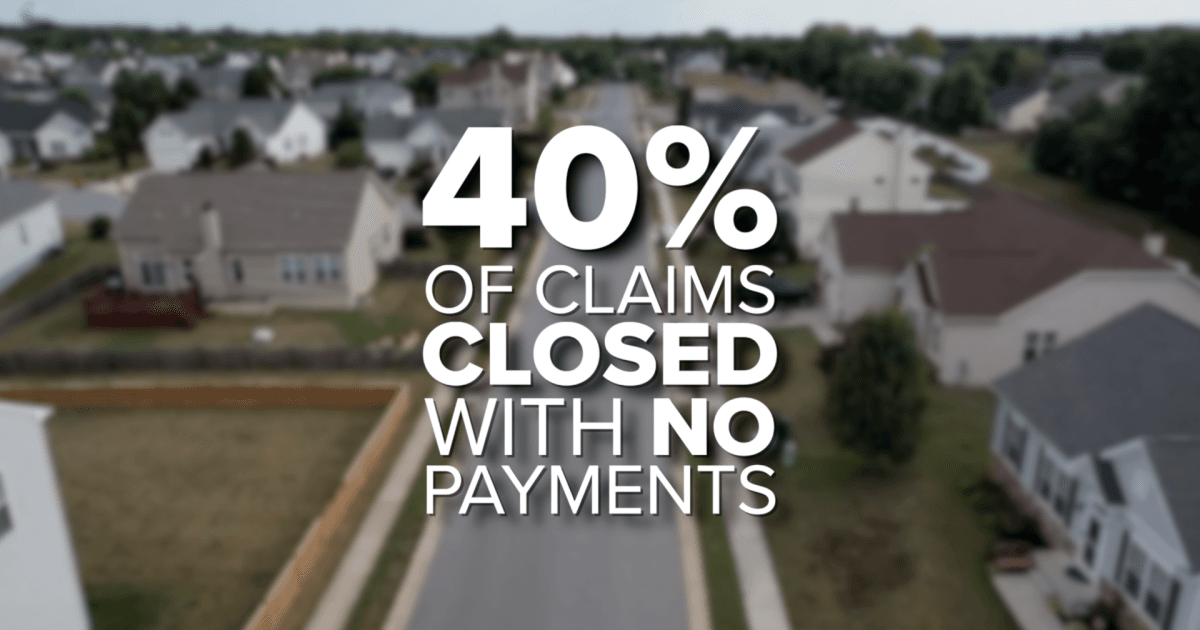
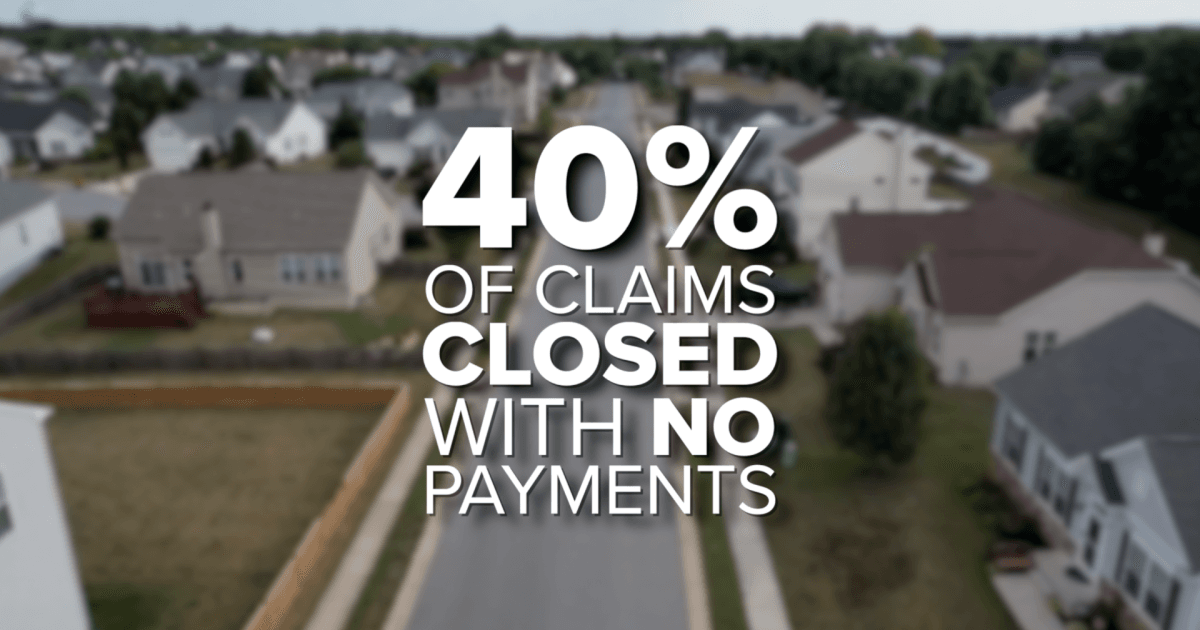
Florida’s average homeowner insurance premium has soared to $5,838 a year—almost $3,000 above the national average—pushing many residents to the financial brink. From tripled premiums to lowball claim payouts, homeowners are speaking out as frustration mounts. Some are even dropping coverage entirely. With more than 40% of claims closed without payment and policy cancellations at record levels, lawmakers are pushing for reforms, but political hurdles remain. The outcome could reshape Florida real estate, insurance, and mortgage markets for years to come.