Self‑Storage Sales Surge 62% as Investors Target High‑Barrier Markets
Investor confidence roared back into the U.S. self‑storage sector in the third quarter of 2025, pushing transaction volume to nearly $1.6 billion — a powerful 62% jump compared to the same period last year. With 266 facilities changing hands between July and September, the industry is experiencing its sharpest resurgence since early‑cycle expansion years.
The full analysis, originally reported by Scotsman Guide and supported by StorageCafe, shows a sector where both private buyers and institutional giants moved aggressively — though with interesting differences in strategy.
REITs Pay a Premium as Portfolios Consolidate
Non‑REIT buyers dominated transaction count, yet real estate investment trusts still played a very strategic role — involved in roughly a quarter of all deals. REITs specifically targeted high‑barrier, high‑performance markets and paid an average of $146 per square foot, outpacing the $133 paid by non‑REIT buyers.
Total traded space jumped from 12.8 million sq. ft. in Q3 2024 to 18.4 million sq. ft. this year, underscoring that strong self‑storage inventory remains one of the most resilient commercial real estate categories.
Sun Belt Still Dominates — But Investors Are Spreading Out
The Sun Belt continued to rank as the country’s top‑performing region, capturing 53% of all transactions. But this reflects a drop from nearly 70% the previous quarter — a sign that investors are cautiously exploring fresh markets outside the region.
Florida, California, and Georgia each surpassed $200 million in total transaction value. Meanwhile, Texas saw the highest number of sales but collectively failed to break $50 million due to smaller deal sizes — a fascinating contrast in volume versus value.
New York City Takes the Crown
New York City led all metros, closing $90 million in transactions. Dense, land‑restricted Manhattan drove per‑square‑foot pricing to a national high of $526. A big contributor: Storage Post’s acquisition of three Manhattan assets, including a $60 million purchase on Amsterdam Avenue.
Las Vegas followed with $76.3 million in trades, averaging $200 per square foot, with Etude Capital notably active. Atlanta secured the No. 3 spot with nearly $43 million in volume — boosted by its low storage availability per capita.
Even California’s coastline, often considered too high‑barrier for new self‑storage plays, saw reinvigorated activity such as Etude Capital’s $26 million Temecula acquisition.
What This Means for Real Estate Professionals
For residential and commercial real estate professionals, this quarter reinforces a clear takeaway: specialty asset classes like self‑storage continue to offer stable, opportunity‑rich ground, even when other sectors soften.
Whether you’re exploring commercial specialization or simply expanding your knowledge base, staying credentialed and competitive is essential. This is where institutions like Cameron Academy shine — helping new and seasoned professionals upgrade their licenses, advance their expertise, and unlock new income streams in a market evolving toward 2026.
Getting licensed or staying ahead in your career can be a journey—but it doesn’t have to be overwhelming. Grab your favorite coffee or tea, take a moment to relax, and browse through our articles. Whether you’re just starting out or renewing your expertise, we’ve got tips, insights, and advice to keep you moving forward. Here’s to your success—one sip and one step at a time!
Los Alamitos Race Course is facing its most serious crisis in years after 18 horses died in 2025, prompting regulators to warn the track that its racing license is at risk without immediate safety reforms. Following three catastrophic injuries in a single day, the California Horse Racing Board has ordered urgent changes—including more veterinarians, stricter medication rules, and enhanced on‑track medical support—as pressure mounts for stronger oversight in a sport already under national scrutiny.
Canadian investors have poured more than US$5.8 billion into U.S. commercial real estate this year, making the U.S. their top destination even amid a lingering tariff dispute. Tight inventory in Canada and greater deal availability south of the border are driving the trend, with data centers and industrial properties emerging as the hottest targets for 2025.
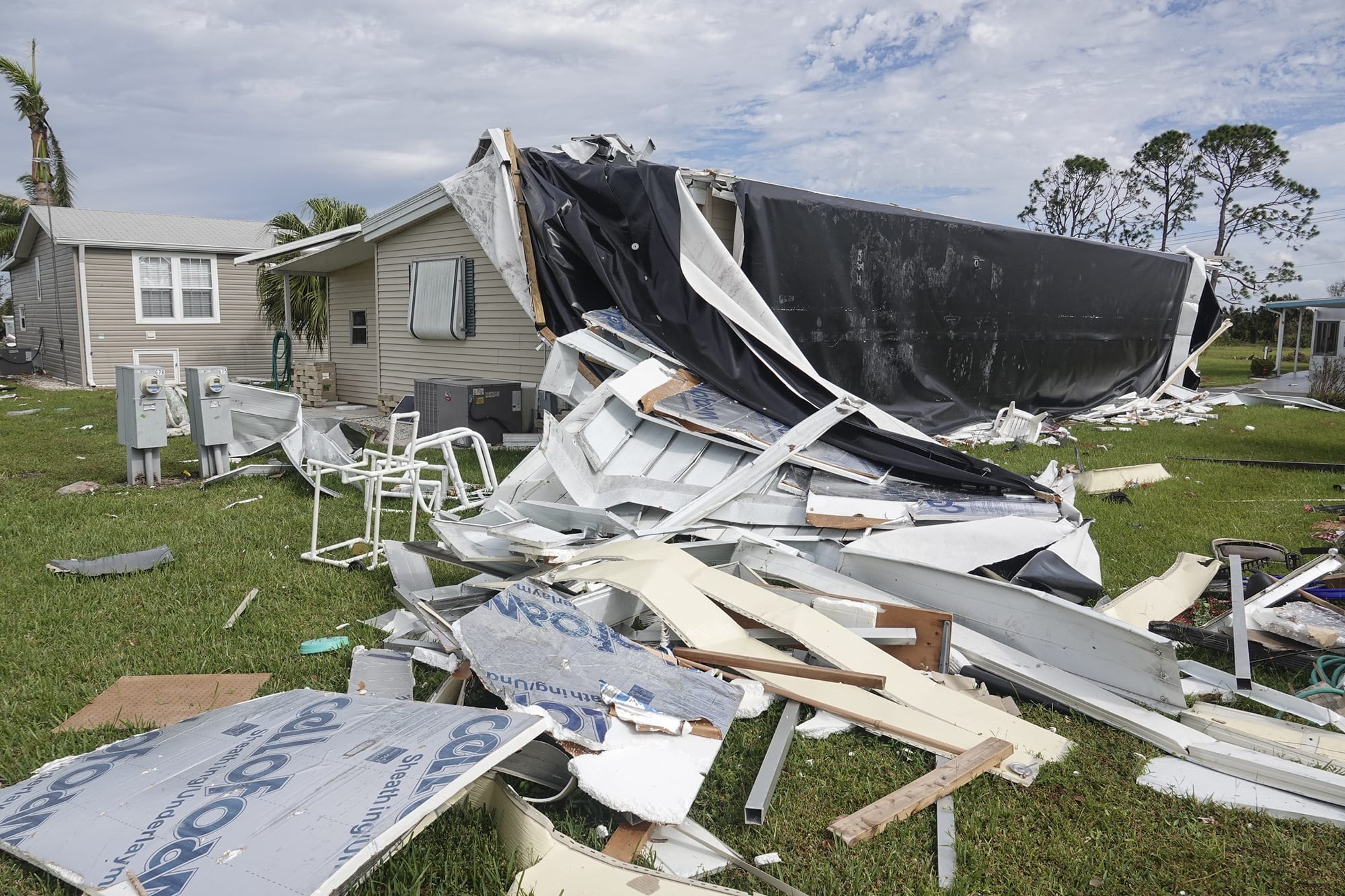
Florida’s insurance commissioner says even industry pros struggle to read today’s 150‑page homeowners policies—leaving residents shocked when hurricane claims are denied. With rising premiums, high replacement costs, and widespread confusion over exclusions like flood and water damage, the state is pushing for simpler, clearer policy language so homeowners know what they’re actually covered for before the next storm hits.
Following the 2025 elections, major metros like New York, Chicago, Miami, Los Angeles, and Boston are implementing policy shifts that could reshape property values, rental income, development timelines, and investment strategy heading into 2026. From New York’s push toward aggressive rent reform to Chicago’s sustainability mandates and Miami’s uncertain mayoral runoff, these changes signal a new era where local politics increasingly dictate market performance. This breakdown highlights the biggest post‑election real estate pivots and what they mean for investors, agents, and finance professionals preparing for a rapidly evolving landscape.
Florida’s Insurance Commissioner is sounding the alarm after thousands of homeowners discovered—only after hurricanes Helene and Milton—that the coverage they thought they had didn’t exist. With nearly 150,000 unpaid claims tied to misunderstood flood exclusions, water‑damage caps, and buried policy clauses, state leaders are pushing to simplify the dense, confusing documents most Floridians never read. As insurance costs remain one of the state’s top concerns, this growing complexity is creating a massive opportunity for real estate, mortgage, and insurance professionals to guide consumers before disaster strikes.
Florida’s insurance market is reliving an old crisis under a new name. Despite reforms meant to stabilize the system, homeowners are being forced out of Citizens and into pricier policies from small insurers with shaky financial histories. Companies tied to past insolvencies are returning with fresh branding, while highly rated carriers continue to deny a majority of claims. With political influence muddying regulation and climate risks rising, experts warn that only a full structural overhaul—not cosmetic reforms—can restore confidence for homeowners, agents, and the entire real estate market.