Self‑Storage Sales Surge 62% as Investors Target High‑Barrier Markets
Investor confidence roared back into the U.S. self‑storage sector in the third quarter of 2025, pushing transaction volume to nearly $1.6 billion — a powerful 62% jump compared to the same period last year. With 266 facilities changing hands between July and September, the industry is experiencing its sharpest resurgence since early‑cycle expansion years.
The full analysis, originally reported by Scotsman Guide and supported by StorageCafe, shows a sector where both private buyers and institutional giants moved aggressively — though with interesting differences in strategy.
REITs Pay a Premium as Portfolios Consolidate
Non‑REIT buyers dominated transaction count, yet real estate investment trusts still played a very strategic role — involved in roughly a quarter of all deals. REITs specifically targeted high‑barrier, high‑performance markets and paid an average of $146 per square foot, outpacing the $133 paid by non‑REIT buyers.
Total traded space jumped from 12.8 million sq. ft. in Q3 2024 to 18.4 million sq. ft. this year, underscoring that strong self‑storage inventory remains one of the most resilient commercial real estate categories.
Sun Belt Still Dominates — But Investors Are Spreading Out
The Sun Belt continued to rank as the country’s top‑performing region, capturing 53% of all transactions. But this reflects a drop from nearly 70% the previous quarter — a sign that investors are cautiously exploring fresh markets outside the region.
Florida, California, and Georgia each surpassed $200 million in total transaction value. Meanwhile, Texas saw the highest number of sales but collectively failed to break $50 million due to smaller deal sizes — a fascinating contrast in volume versus value.
New York City Takes the Crown
New York City led all metros, closing $90 million in transactions. Dense, land‑restricted Manhattan drove per‑square‑foot pricing to a national high of $526. A big contributor: Storage Post’s acquisition of three Manhattan assets, including a $60 million purchase on Amsterdam Avenue.
Las Vegas followed with $76.3 million in trades, averaging $200 per square foot, with Etude Capital notably active. Atlanta secured the No. 3 spot with nearly $43 million in volume — boosted by its low storage availability per capita.
Even California’s coastline, often considered too high‑barrier for new self‑storage plays, saw reinvigorated activity such as Etude Capital’s $26 million Temecula acquisition.
What This Means for Real Estate Professionals
For residential and commercial real estate professionals, this quarter reinforces a clear takeaway: specialty asset classes like self‑storage continue to offer stable, opportunity‑rich ground, even when other sectors soften.
Whether you’re exploring commercial specialization or simply expanding your knowledge base, staying credentialed and competitive is essential. This is where institutions like Cameron Academy shine — helping new and seasoned professionals upgrade their licenses, advance their expertise, and unlock new income streams in a market evolving toward 2026.
Getting licensed or staying ahead in your career can be a journey—but it doesn’t have to be overwhelming. Grab your favorite coffee or tea, take a moment to relax, and browse through our articles. Whether you’re just starting out or renewing your expertise, we’ve got tips, insights, and advice to keep you moving forward. Here’s to your success—one sip and one step at a time!
Just 48 hours after NAR unveiled major revisions to its MLS policies, plaintiffs in the Michigan-based Hardy lawsuit moved to use those changes as evidence, arguing they prove NAR’s prior rules were anticompetitive. NAR denies any wrongdoing, but the case is quickly becoming a key test for whether MLS access should require Realtor membership — a question now echoing across multiple states and potentially reshaping how real estate professionals nationwide access the industry’s most essential tool.
Florida homeowners are now paying some of the highest insurance premiums in the country, with average costs topping $5,800 per year—nearly double the national average. Residents report skyrocketing rates, denied claims, and tough choices between costly coverage and financial risk. As frustration grows, lawmakers and consumer advocates are pushing new reforms aimed at increasing transparency, capping rate hikes, and protecting policyholders in one of the nation’s most volatile insurance markets.
Economic uncertainty, rapid AI adoption, tighter capital flows, and rising portfolio risk are reshaping the 2026 commercial real estate landscape. From shifting workforce patterns to a national housing attainability crisis, the industry is entering a data‑driven, fundamentals‑focused era—making adaptability, education, and tech literacy essential for real estate professionals.
Mortgage rates have climbed to 6.23 percent as investors grow doubtful that the Federal Reserve will deliver a rate cut in December. A soft but unclear jobs report and persistent inflation have pushed borrowing costs higher, reversing October’s brief relief in the housing market. Real estate and mortgage professionals should prepare clients for continued volatility as the Fed’s December meeting approaches.
After years of tight inventory, high mortgage rates, and sluggish sales, economists say 2026 is shaping up to be the turnaround real estate professionals have been waiting for. NAR projects a 14 percent jump in home sales, mortgage rates easing toward 6 percent, and buyer demand finally gaining momentum. While higher‑end homes are moving quickly, first‑time buyers continue to face affordability challenges, and price reductions are reappearing as sellers adjust to shifting conditions. For Florida agents, brokers, and newcomers, the stage is being set for a busy and opportunity‑rich year.
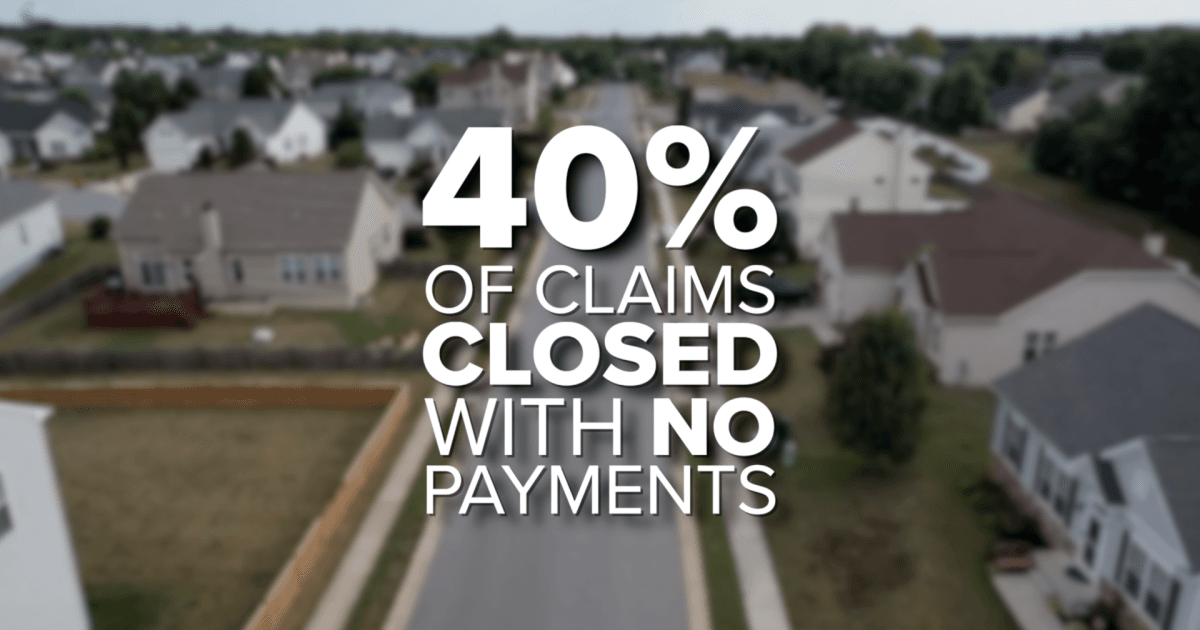
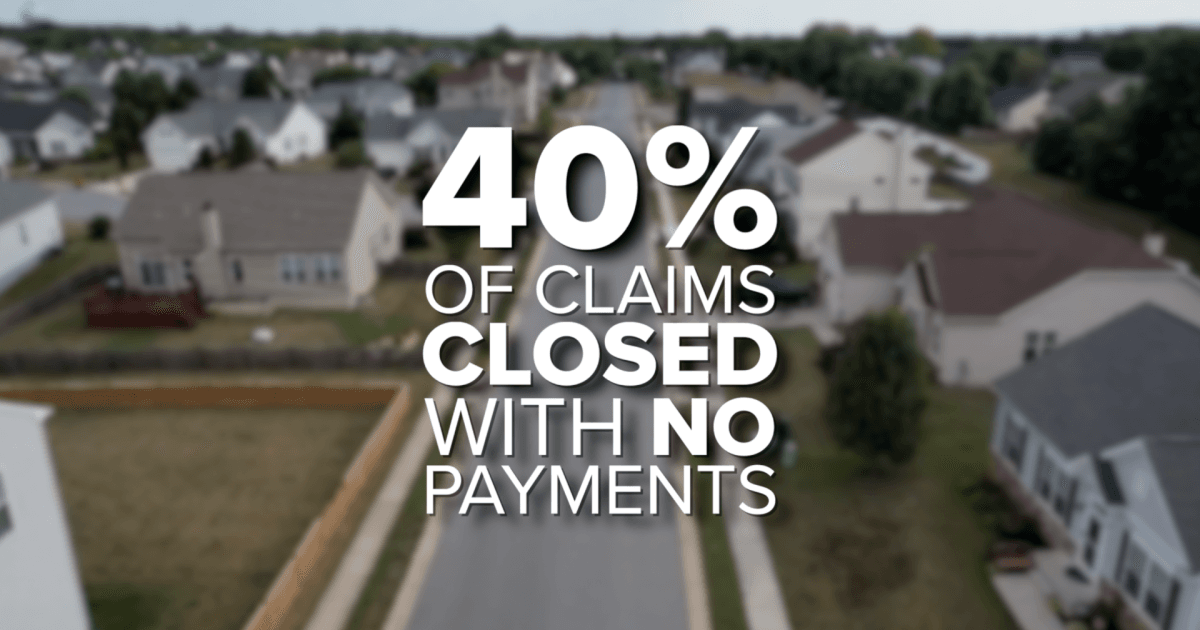
Florida’s average homeowner insurance premium has soared to $5,838 a year—almost $3,000 above the national average—pushing many residents to the financial brink. From tripled premiums to lowball claim payouts, homeowners are speaking out as frustration mounts. Some are even dropping coverage entirely. With more than 40% of claims closed without payment and policy cancellations at record levels, lawmakers are pushing for reforms, but political hurdles remain. The outcome could reshape Florida real estate, insurance, and mortgage markets for years to come.