Vilas Dhar, president of the Patrick J. McGovern Foundation, recently reflected on the pivotal role of human governance in shaping the future of artificial intelligence (AI). In a Boston Globe article, Dhar shared insights from a visit to a high school in central Illinois, where students expressed both concern and hope about an AI-powered future.


The discussion highlighted a crucial point: AI’s impact is not predetermined by technology alone but is deeply influenced by human choices and governance. As Dhar emphasized, “It depends on us.


Governance and Regulation of AI

AI is rapidly reshaping various sectors, from healthcare to education. However, the systems often operate without public oversight, replicating biases and making critical decisions that affect people’s lives. The article argues for a realignment between technology and public accountability, stressing that governance will determine AI’s societal impact.


The Role of Education in AI Literacy

Education is key to understanding AI’s influence. Programs like Finland’s Elements of AI and the AI Education Project in the United States are leading the way in integrating AI literacy into curricula. These initiatives aim to equip individuals with the skills to critically assess AI systems.


Transparency and Public Accountability

To ensure AI systems are accountable, policymakers must mandate transparency. Dhar calls for public documentation of high-impact AI systems, enabling researchers and journalists to scrutinize their operations and hold them accountable.


Inclusion and Community Involvement

Inclusion is essential in AI development. Organizations like the Algorithmic Justice League model community-driven innovation. The article suggests that corporate boards should oversee AI deployment with the same rigor as financial audits, and investors should demand disclosure of social outcomes.


Dhar’s reflections remind us that while AI’s advancement is inevitable, its trajectory is not. It is up to us to ensure that AI advances justly, benefiting society as a whole. The students in Illinois intuitively understood this, and their insights serve as a call to action for all of us.


More Articles

Getting licensed or staying ahead in your career can be a journey—but it doesn’t have to be overwhelming. Grab your favorite coffee or tea, take a moment to relax, and browse through our articles. Whether you’re just starting out or renewing your expertise, we’ve got tips, insights, and advice to keep you moving forward. Here’s to your success—one sip and one step at a time!

Why Toronto’s Real Estate Market Is a Rollercoaster Using Would You Rather Decisions

By 2022, the average cost had skyrocketed to $1.19 million. That’s, like, a 28% increase in just three years! But as with all wild parties, there was an inevitable hangover.

By |January 19, 2025|Categories: Article, Market Analysis, Real Estate|Tags: , |0 Comments

TikTok’s Ban: US Social Media Frenzy

"And let’s not forget this might be the start of a multi-platform domino effect. If TikTok is toast, Instagram Reels, YouTube Shorts, or bizarre TikTok lookalikes (looking at you, Lemon8) are poised to swoop in and capitalize."

By |January 19, 2025|Categories: Article, Humor, Technology|Tags: |0 Comments

Sutter Health’s Innovative Approach to Sepsis Management

Sutter Health is pioneering a transformative approach in critical care by introducing the FloPatch, a novel wearable device aimed at enhancing clinical decision-making. This initiative focuses on improving sepsis management within intensive care units (ICUs), leveraging real-time data to support critical treatment decisions.

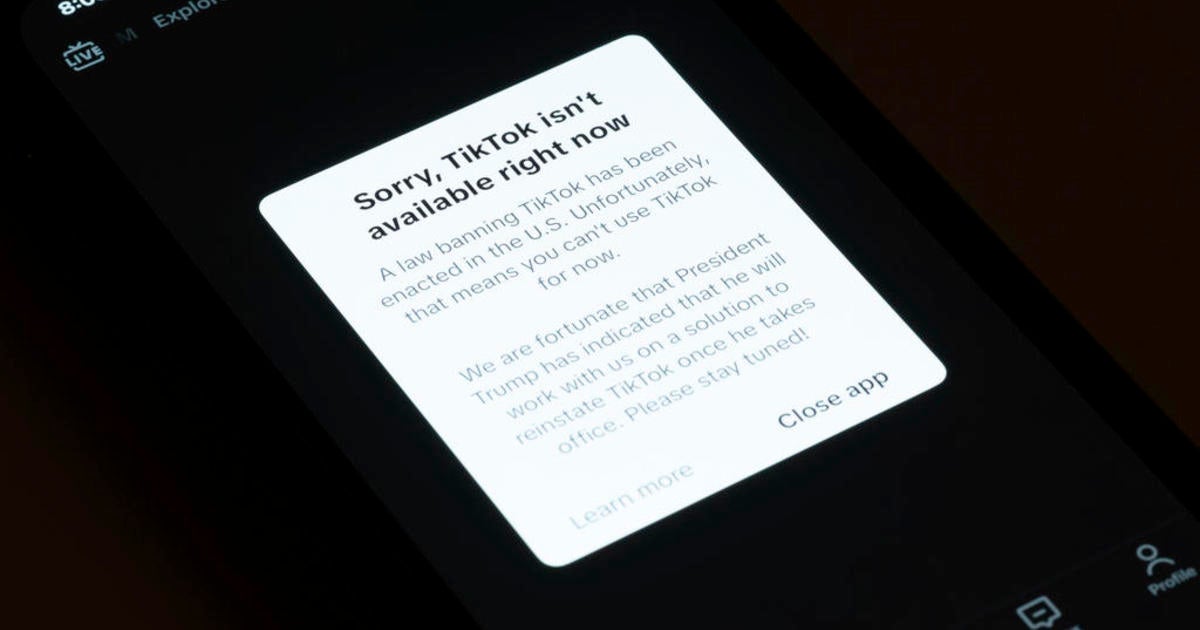
TikTok Ban in the U.S.: A Landmark Moment in National Security

TikTok, the immensely popular social media app, is now banned in the United States following a Supreme Court ruling that mandated the app to sever ties with its China-based parent company, ByteDance, or face a ban.

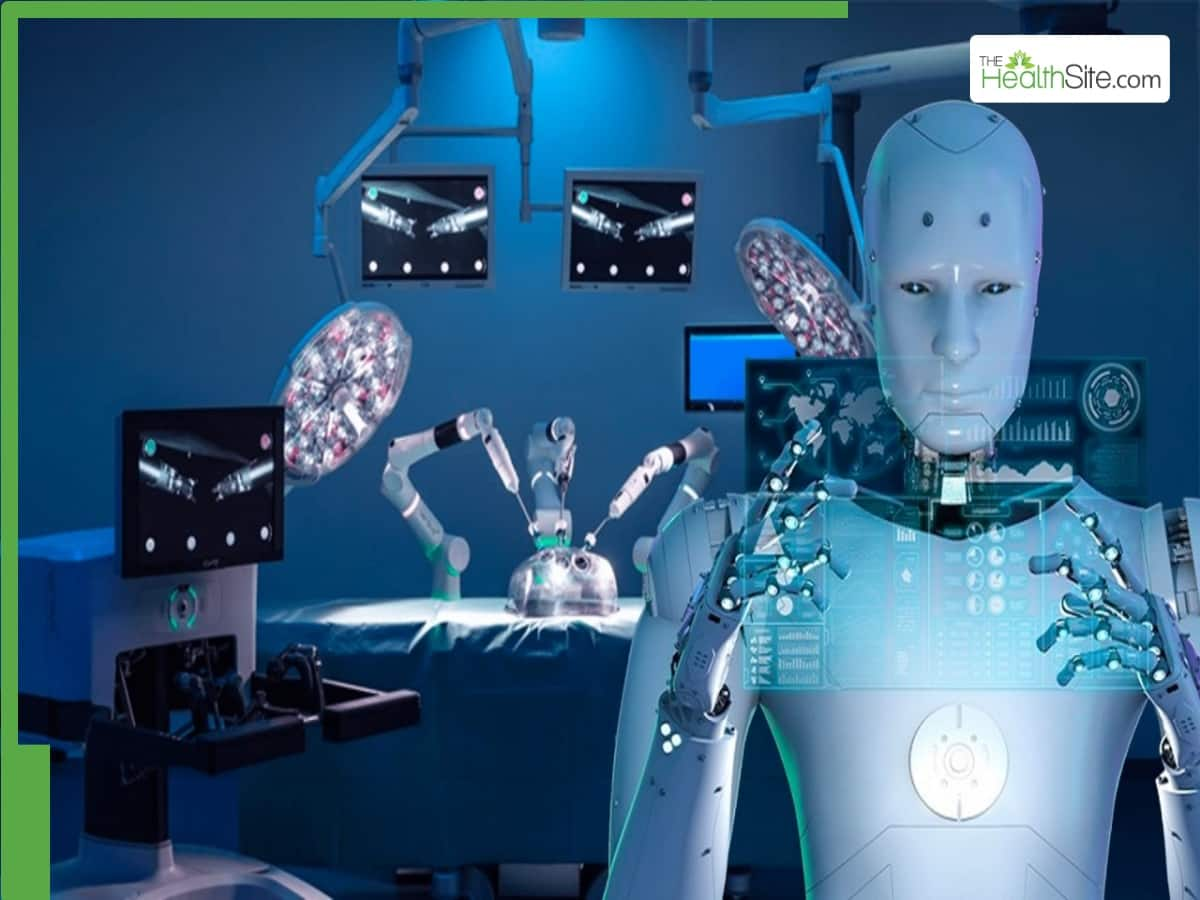
AI and Robotics Revolutionizing Indian Healthcare

AI is poised to revolutionize the diagnostic process, enabling more accurate and faster diagnoses than ever before. Traditional methods, which rely heavily on manual interpretations of medical images, often suffer from delays and errors. In contrast, AI-driven diagnostic tools can swiftly analyze vast amounts of medical data, including X-rays, MRIs, and CT scans, with remarkable precision. This technology is already being leveraged for the early detection of diseases such as cancer and diabetic retinopathy, making diagnostics more efficient and accessible than ever.

By |January 19, 2025|Categories: Article, Healthcare, Technology|Tags: , |0 Comments

Embracing Smart Renovations: Europe’s Path to Sustainable Building

Currently, buildings account for over 30% of the EU's environmental footprint, a staggering figure that underscores the urgency of reform.