Vilas Dhar, president of the Patrick J. McGovern Foundation, recently reflected on the pivotal role of human governance in shaping the future of artificial intelligence (AI). In a Boston Globe article, Dhar shared insights from a visit to a high school in central Illinois, where students expressed both concern and hope about an AI-powered future.


The discussion highlighted a crucial point: AI’s impact is not predetermined by technology alone but is deeply influenced by human choices and governance. As Dhar emphasized, “It depends on us.


Governance and Regulation of AI

AI is rapidly reshaping various sectors, from healthcare to education. However, the systems often operate without public oversight, replicating biases and making critical decisions that affect people’s lives. The article argues for a realignment between technology and public accountability, stressing that governance will determine AI’s societal impact.


The Role of Education in AI Literacy

Education is key to understanding AI’s influence. Programs like Finland’s Elements of AI and the AI Education Project in the United States are leading the way in integrating AI literacy into curricula. These initiatives aim to equip individuals with the skills to critically assess AI systems.


Transparency and Public Accountability

To ensure AI systems are accountable, policymakers must mandate transparency. Dhar calls for public documentation of high-impact AI systems, enabling researchers and journalists to scrutinize their operations and hold them accountable.


Inclusion and Community Involvement

Inclusion is essential in AI development. Organizations like the Algorithmic Justice League model community-driven innovation. The article suggests that corporate boards should oversee AI deployment with the same rigor as financial audits, and investors should demand disclosure of social outcomes.


Dhar’s reflections remind us that while AI’s advancement is inevitable, its trajectory is not. It is up to us to ensure that AI advances justly, benefiting society as a whole. The students in Illinois intuitively understood this, and their insights serve as a call to action for all of us.


More Articles

Getting licensed or staying ahead in your career can be a journey—but it doesn’t have to be overwhelming. Grab your favorite coffee or tea, take a moment to relax, and browse through our articles. Whether you’re just starting out or renewing your expertise, we’ve got tips, insights, and advice to keep you moving forward. Here’s to your success—one sip and one step at a time!

The Transformation of Insurance Through Customer-Centric Ecosystems

In the fast-evolving world of insurance, a transformative shift is underway, driven by the development of customer-centric ecosystems. As highlighted in a comprehensive study by EY, insurance ecosystems are reshaping the industry by focusing on customer engagement, trust, and operational excellence.

Ethical Challenges of AI in Radiography: Insights from Radiographers

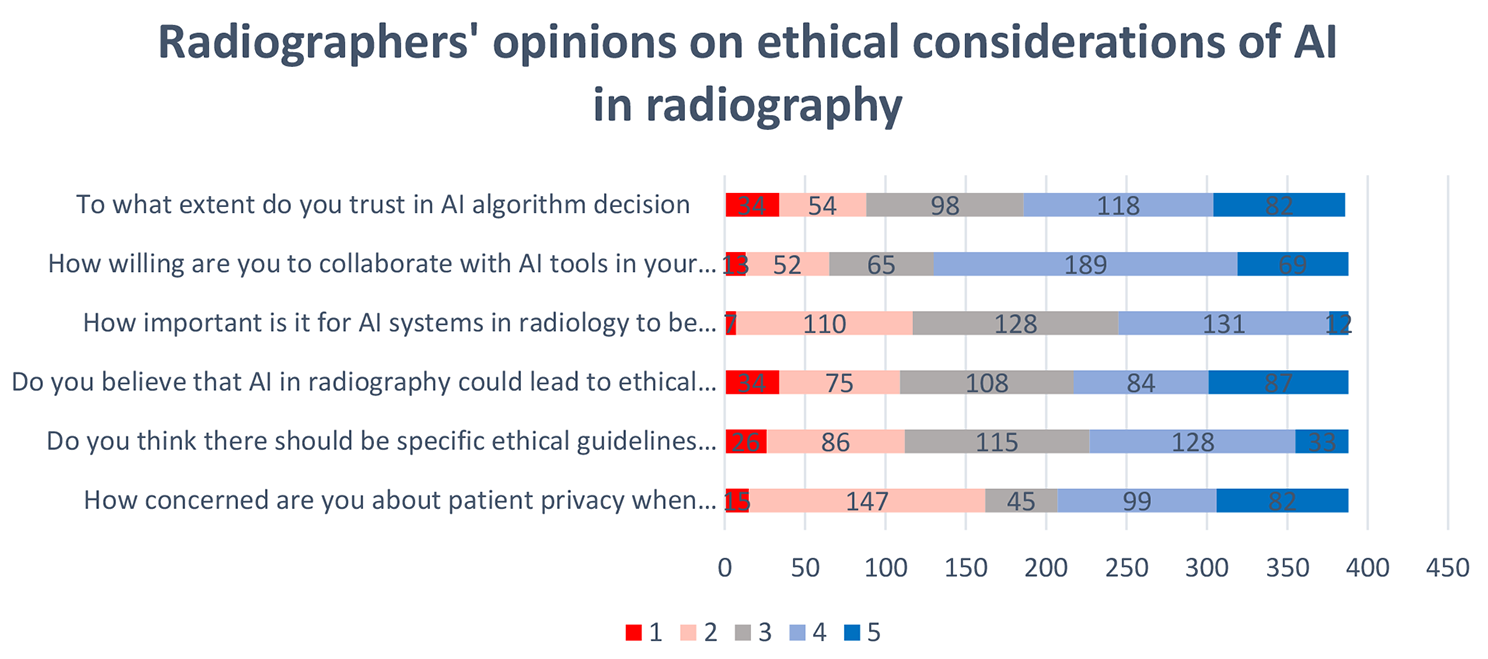
The integration of artificial intelligence in radiography brings a host of ethical challenges that demand careful consideration. A recent study highlights the diverse perspectives of radiographers, revealing significant knowledge gaps and varying trust levels in AI-driven decisions. Concerns over patient privacy and the need for dedicated ethical guidelines are pivotal as healthcare embraces AI.

AI in Healthcare: A Transformative Force Today and Tomorrow

AI tools are already delivering significant value and are poised to further transform healthcare. Embracing these changes today will position organizations and individuals to capture the long-term benefits of a more effective, efficient, and personalized healthcare system.

2024 Housing Market Crystal Ball: Transformative Trends for the Next Decade

The housing landscape of 2034 will be more diverse, technologically advanced, and responsive to the needs of an evolving population.

The Future of AI in Pathology: A Market on the Rise

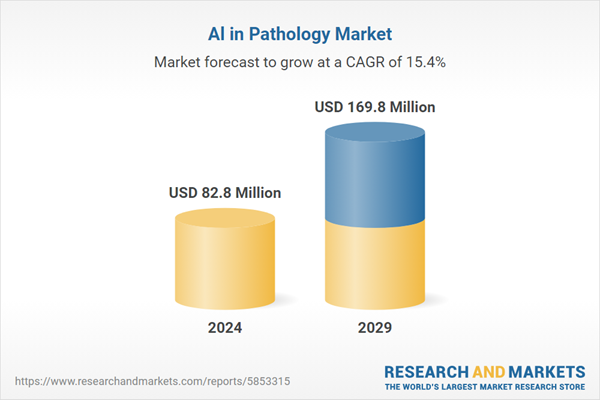
AI in pathology is revolutionizing the field by enhancing the analysis of clinical data, genomic information, and disease progression. These advancements are not only streamlining personalized treatment plans but also optimizing healthcare resource allocation.

By |January 12, 2025|Categories: Article, Healthcare, Technology|Tags: , |0 Comments

Revolutionizing Precision Medicine: AI’s Role in Diabetes and Chronic Disease Management

In an era where data reigns supreme, the integration of artificial intelligence (AI) and machine learning (ML) into the realm of precision medicine is not just a possibility but a burgeoning reality.