Sky‑High Homeowners Insurance Rates Are Becoming Florida’s ‘New Normal’

House key in door

Florida homeowners hoping for relief from soaring insurance premiums may need to prepare for an uncomfortable reality: stability has arrived, but prices are staying sky‑high. While state leaders claim victory in their efforts to reduce insurance costs, industry insiders are offering a more grounded perspective—one that Floridians are already feeling in their wallets.

Source Spotlight: This story was informed by reporting from Vero News. Explore their local coverage here: VeroNews.com

A ‘Victory’ That Depends on How You Define It

Gov. Ron DeSantis and State Insurance Commissioner Mike Yaworsky recently praised reforms aimed at stabilizing the collapsing homeowners insurance market. And to their credit, one thing is true: the era of double or quadruple rate increases seems to have paused.

But “paused” is not the same as “lowered.” According to local insurance expert and real estate professional Harry Howle, what Floridians are really experiencing is a new plateau—one that is much higher than most hoped.

“Like inflation, once the cost of insurance is raised, overall, it seems to become the new norm,” Howle explains.

Coastal Homes Take the Hardest Hit

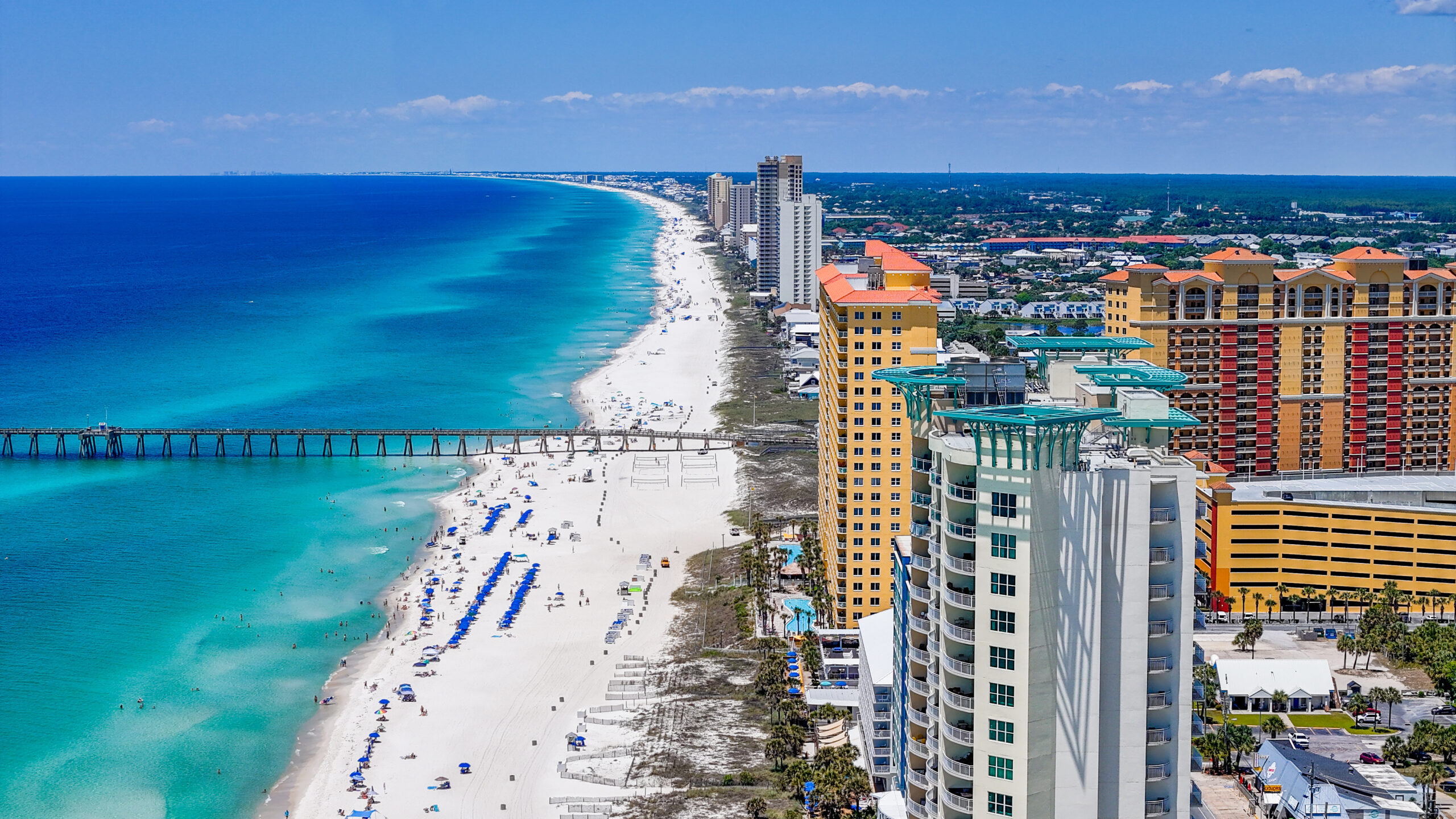
Insurance companies may be returning to Florida, but they’re still avoiding some of the state’s most beautiful—yet most vulnerable—locations. Homes in Vero Beach’s island communities, especially those within the 32963 ZIP code, remain notoriously difficult and expensive to insure.

Howle notes that coastal risk continues to scare off insurers burned by storms across both coasts. The result? Fewer insurance options and persistently elevated premiums.

Real Numbers, Real Impact

Here’s what today’s Florida insurance landscape looks like in real dollars:

  • A $750,000 home built in 1970 on the beach in 32963 costs about $8,200 per year to insure.
  • A newer mainland home valued at $820,000 in 32967 costs only $3,200 annually.
  • A 1991 beachside home with a $1.4 million replacement cost runs $15,000 a year.
  • A $900,000 mainland home built in 2019? Just $2,600 annually.

The message is clear: age and proximity to water drastically impact premium costs—and seldom in a way homeowners appreciate.

Inspections, Upgrades, and the Hidden Costs of Coverage

Beyond premiums, insurers continue demanding extensive upgrades before offering a policy. Even functional roofs, plumbing, and electrical systems can be flagged as “too old,” forcing homeowners into costly renovations.

“It seems to be a matter of endless insurance inspections,” Howle says.

Legislators Push for More Transparency

Some lawmakers are now challenging insurers on two major fronts:

  • Requiring companies to disclose balance sheets to confirm whether “excess profits” are being refunded.
  • Mandating itemized breakdowns showing how insurers calculate individual premiums.

Insurers oppose both measures, calling proprietary information a “trade secret.” For frustrated homeowners, however, transparency is long overdue.

Why This Matters to Real Estate Professionals

For anyone entering or advancing in the Florida real estate field, understanding insurance trends is essential. Premiums can make or break affordability—and knowing how to guide buyers through this market is a professional advantage.

That’s exactly why institutions like Cameron Academy emphasize insurance literacy and market awareness in their licensing programs. Today’s agents must not only know the market—they must decode the forces shaping it.

The Bottom Line

Florida’s homeowners insurance market may no longer be spiraling out of control, but stability at sky‑high prices is hardly a victory for everyday residents. As legislative debates continue and insurers hold their ground, Floridians are adjusting to the new normal—one expensive renewal notice at a time.

Learn More: If you’re pursuing a real estate, mortgage, or insurance license—or expanding your expertise—visit CameronAcademy.com for modern, affordable education built for today’s market.

More Articles

Getting licensed or staying ahead in your career can be a journey—but it doesn’t have to be overwhelming. Grab your favorite coffee or tea, take a moment to relax, and browse through our articles. Whether you’re just starting out or renewing your expertise, we’ve got tips, insights, and advice to keep you moving forward. Here’s to your success—one sip and one step at a time!

Is a Real Estate Rebound on the Horizon? The 3X ETF Making Waves With Bold Investors

After years of sluggish commercial real estate performance, falling interest rates may finally set the stage for a market rebound. As the Federal Reserve signals further cuts, investors are eyeing REITs—and especially the Direxion Real Estate Bull 3X ETF (DRN), a leveraged fund designed to triple the daily movement of major commercial real estate stocks. DRN offers powerful upside potential during a rally, but its high‑risk, short‑term nature means it’s best suited for experienced traders who understand volatility and the mechanics of leverage.

Florida’s Bold New Bill Could Require Employers to Help Pay First-Time Homebuyers’ Costs

A new proposal in Florida’s legislature could reshape the path to homeownership for working residents. House Bill 311, championed by State Rep. Jervonte Edmonds, would require certain private employers to contribute up to $5,000 toward their first-time homebuyer employees’ down payments or closing costs. Backed by bipartisan support, the bill ties employer tax write-offs directly to helping workers purchase homes, marking a unique approach to housing affordability. Now moving through committee, HB 311 could become one of the nation’s most innovative employer-assisted housing programs.

AI Forces Real Estate to Finally Clean Up Its Data Chaos

Artificial intelligence is pushing the real estate industry to confront a long‑standing problem: its data is fragmented, inconsistent, and nearly impossible for AI systems to interpret. From leases and rent rolls to county records and work orders, nothing is standardized, making AI adoption costly and inefficient. Industry leaders are now turning toward shared data standards and ontologies—like OSCRE’s “smart data highway”—to create cleaner, interoperable information systems. As real estate evolves, professionals who understand data and AI will have a major advantage, and schools like Cameron Academy are helping prepare them for this shift.

January Home Sales Plunge 8.4%, Sparking Fears of a “New Housing Crisis”

The U.S. housing market stumbled into 2026 as January home sales tumbled 8.4% from December, hitting their lowest pace in over a year. With inventory still tight, prices rising, and market activity stagnating, NAR’s chief economist warns that Americans—especially renters—are “stuck” in a new kind of housing crisis. Despite improving affordability on paper, sluggish movement and regional declines signal a market demanding sharper strategy and adaptability from today’s real estate professionals.

5 Best Home Insurance Companies of 2026: What Homeowners and Real Estate Pros Need to Know

A fresh 2026 analysis reveals the top home insurance companies in the U.S., breaking down which carriers offer the best value, coverage options, and customer satisfaction. State Farm leads for customer experience, American Family shines for first-time buyers, and Allstate, Farmers, and Nationwide each earn top marks in specialized categories. With Florida’s premiums surging to more than double the national average, industry pros and homeowners alike gain a clear advantage by understanding which insurers remain strong—especially as weather risks, insurer withdrawals, and rising reconstruction costs reshape the market.

Florida Insurance Costs Drop 14.5% as Reforms Spark $4.2B in Economic Growth

A new Perryman Group analysis shows Florida’s 2022–2023 insurance reforms are paying off, lowering property‑casualty costs by 14.5% and generating more than $4.2 billion in economic activity. With over 29,000 jobs created and premium increases nearly flat in 2025, the state’s long‑troubled insurance market is finally stabilizing as major carriers reduce rates and return to the market.