In the ongoing quest to tackle the housing crisis, urban planners and policymakers are exploring a myriad of solutions. The relationship between zoning and housing affordability remains a complex puzzle. As highlighted in a recent article from The Urbanist, the multifaceted approach to resolving these issues includes proposals ranging from the abolition of zoning to the implementation of stricter inclusionary zoning policies.


One of the key strategies discussed is the Multifamily Tax Exemption program, which has been instrumental in generating affordable housing while incentivizing apartment construction. However, changes to this program could disrupt the balance, potentially deterring builders from participating.


Urbanists are also considering the benefits of boosting housing production and increasing density to lower prices. This includes building more affordable homes and protecting existing communities from displacement. According to William Fischel, author of Zoning Rules, “More housing is more housing. It’s not just a particular kind of housing [that is needed].”


The article references a study by Vicki Been and colleagues from NYU, which found that increasing housing supply can slow rent growth. Economist Noah Smith suggests a nuanced approach, advocating for building “Yuppie fishtanks” to attract high-income families while also developing affordable housing to prevent gentrification and stabilize rents.


Social Housing Models

Another promising avenue is the exploration of social housing models, as seen in Europe and Singapore. Both Seattle and New York City are considering legislation to establish Social Housing Development Authorities. These authorities would focus on building, acquiring, and converting housing into social housing, with a strong emphasis on resident and union participation.


Technological Shifts and Zoning Obsolescence

Sonia Hirt, author of Zoned in the USA, suggests that the shift towards remote work could render traditional zoning systems obsolete. As technology continues to evolve, the integration of daily life and workspaces may lead to significant changes in urban planning.


Addressing past injustices, Richard Kahlenberg emphasizes the need for school system reforms. He advocates for public school choice to ensure that educational quality is not solely determined by neighborhood affluence. Additionally, he proposes an “Economic” Fair Housing Act to challenge exclusionary zoning practices.


The call for reparations, as argued by Ta-Nehisi Coates in his essay The Case for Reparations, underscores the historical impact of housing discrimination and redlining. Various cities are already taking steps to address these past wrongs.


Case Studies

Seattle: Recent legislation in Washington state has overridden cities’ powers to ban multi-family zoning, although wealthy neighborhoods like Broadmoor remain exempt. Seattle’s Comprehensive Plan aims to incentivize multi-family housing, but some argue it lacks ambition.


Minneapolis: Known for abolishing single-family zoning, the city has seen modest growth in duplexes and triplexes. However, multi-family housing continues to be the primary driver of affordability.


San Francisco: Despite its progressive reputation, a significant portion of the city remains zoned for single-family housing, perpetuating racial and economic segregation. A California law aimed at abolishing single-family zoning faces legal challenges.


Conclusions

While zoning has historically aimed to maintain positive land uses, its implementation has often resulted in negative consequences for marginalized communities. The shift towards YIMBYism (Yes In My Back Yard) and innovative solutions offers hope for a more equitable urban future.


For more detailed insights and analysis, the full article can be accessed here.

More Articles

Getting licensed or staying ahead in your career can be a journey—but it doesn’t have to be overwhelming. Grab your favorite coffee or tea, take a moment to relax, and browse through our articles. Whether you’re just starting out or renewing your expertise, we’ve got tips, insights, and advice to keep you moving forward. Here’s to your success—one sip and one step at a time!

Massachusetts Investment Firm Makes Strategic Move Into Connecticut With $3.65M Red Robin-Anchored Purchase

Newman Properties, a Massachusetts-based investment firm, has expanded its footprint into Connecticut with the $3.65 million acquisition of a 6,350‑square‑foot retail building in Enfield. Anchored by national restaurant chain Red Robin, the property offers the type of stable tenancy investors seek when entering new markets. The deal underscores growing confidence in anchored retail assets and provides a valuable real-world example for real estate professionals studying market analysis, investment strategy, and portfolio expansion.

JPMorgan Flags a Sunbelt Slowdown as Florida and Texas See Sharp Home Price Drops

JPMorgan now expects national home prices to flatten in 2026, but the Sunbelt is telling a very different story. Florida home values are down 5.1%, Texas is down 2.4%, and analysts warn that years of rapid building are finally catching up to the region. As demand stabilizes and inventory swells, real estate professionals — especially in Florida — face a market full of challenges, opportunities, and critical timing decisions.

AI Is Reshaping Mortgage Underwriting in 2026 as Industry Pros Brace for Major Change

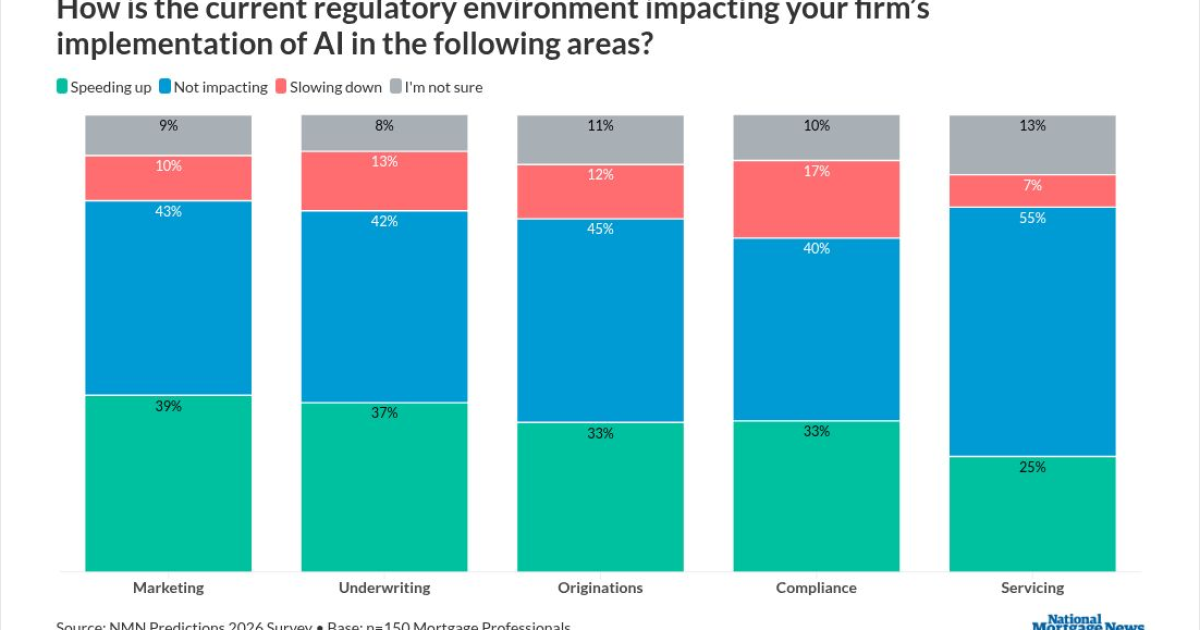
Artificial intelligence is finally stepping into the mortgage underwriting spotlight, with 57% of mortgage professionals predicting it will drive the most transformative industry shift in 2026. Thanks to major advancements in language models and workflow automation, AI is now capable of navigating the messy, document-heavy realities that have long slowed underwriting. From faster preapprovals to improved credit analysis and real‑time income verification, AI is streamlining processes while allowing underwriters to focus on true risk management. As regulatory winds shift and grassroots pressure builds within lending teams, the industry is entering a pivotal era where AI‑powered underwriting becomes not just an advantage — but an expectation.

Portland’s Commercial Market Suffers a Historic $2 Billion Collapse

Portland’s top 20 office towers have lost an unprecedented 70% of their value since 2019—plunging from $3 billion to under $1 billion—triggering tax revenue shortfalls, budget crises, and a surge in appeals as the city grapples with its biggest commercial real estate reset in modern history.

When Virtual Reality Becomes the New Penthouse Tour: Miami Students Step Inside a $1M Tech-Driven Luxury Tower Experience

South Florida’s luxury real estate market just raised the bar again — this time with a $1 million virtual reality system that lets buyers walk through Dolce & Gabbana’s upcoming Miami tower long before construction wraps. Real estate master’s students were given an immersive look inside the project, discovering how VR is transforming high‑end development, influencing buyer psychology, and shaping the future skills today’s professionals need.

Long Island’s Latest Commercial Moves: From Pizza Huts to Auto Parts Warehouses

Long Island’s commercial real estate scene is kicking off 2026 with a surge of activity—industrial leases in Medford, neighborhood retail trades in Bohemia, Pizza Hut’s new DELCO expansion in Centereach, mixed‑use acquisitions in Melville, and major investor interest in bank‑leased and franchise-backed properties. From warehouses to restaurant rebrands, these deals highlight a region evolving fast and offering fresh opportunities for agents, investors, and professionals looking to stay ahead in the market.