In the ongoing quest to tackle the housing crisis, urban planners and policymakers are exploring a myriad of solutions. The relationship between zoning and housing affordability remains a complex puzzle. As highlighted in a recent article from The Urbanist, the multifaceted approach to resolving these issues includes proposals ranging from the abolition of zoning to the implementation of stricter inclusionary zoning policies.


One of the key strategies discussed is the Multifamily Tax Exemption program, which has been instrumental in generating affordable housing while incentivizing apartment construction. However, changes to this program could disrupt the balance, potentially deterring builders from participating.


Urbanists are also considering the benefits of boosting housing production and increasing density to lower prices. This includes building more affordable homes and protecting existing communities from displacement. According to William Fischel, author of Zoning Rules, “More housing is more housing. It’s not just a particular kind of housing [that is needed].”


The article references a study by Vicki Been and colleagues from NYU, which found that increasing housing supply can slow rent growth. Economist Noah Smith suggests a nuanced approach, advocating for building “Yuppie fishtanks” to attract high-income families while also developing affordable housing to prevent gentrification and stabilize rents.


Social Housing Models

Another promising avenue is the exploration of social housing models, as seen in Europe and Singapore. Both Seattle and New York City are considering legislation to establish Social Housing Development Authorities. These authorities would focus on building, acquiring, and converting housing into social housing, with a strong emphasis on resident and union participation.


Technological Shifts and Zoning Obsolescence

Sonia Hirt, author of Zoned in the USA, suggests that the shift towards remote work could render traditional zoning systems obsolete. As technology continues to evolve, the integration of daily life and workspaces may lead to significant changes in urban planning.


Addressing past injustices, Richard Kahlenberg emphasizes the need for school system reforms. He advocates for public school choice to ensure that educational quality is not solely determined by neighborhood affluence. Additionally, he proposes an “Economic” Fair Housing Act to challenge exclusionary zoning practices.


The call for reparations, as argued by Ta-Nehisi Coates in his essay The Case for Reparations, underscores the historical impact of housing discrimination and redlining. Various cities are already taking steps to address these past wrongs.


Case Studies

Seattle: Recent legislation in Washington state has overridden cities’ powers to ban multi-family zoning, although wealthy neighborhoods like Broadmoor remain exempt. Seattle’s Comprehensive Plan aims to incentivize multi-family housing, but some argue it lacks ambition.


Minneapolis: Known for abolishing single-family zoning, the city has seen modest growth in duplexes and triplexes. However, multi-family housing continues to be the primary driver of affordability.


San Francisco: Despite its progressive reputation, a significant portion of the city remains zoned for single-family housing, perpetuating racial and economic segregation. A California law aimed at abolishing single-family zoning faces legal challenges.


Conclusions

While zoning has historically aimed to maintain positive land uses, its implementation has often resulted in negative consequences for marginalized communities. The shift towards YIMBYism (Yes In My Back Yard) and innovative solutions offers hope for a more equitable urban future.


For more detailed insights and analysis, the full article can be accessed here.

More Articles

Getting licensed or staying ahead in your career can be a journey—but it doesn’t have to be overwhelming. Grab your favorite coffee or tea, take a moment to relax, and browse through our articles. Whether you’re just starting out or renewing your expertise, we’ve got tips, insights, and advice to keep you moving forward. Here’s to your success—one sip and one step at a time!

Long Island Sets New Commercial Real Estate Record with $4.1 Billion in 2025 Deals

Long Island’s commercial real estate market just smashed every previous record, hitting an unprecedented $4.1 billion in 2025 deal volume—up a massive 71.5 percent from the year before. A surge in specialty-use properties like assisted living centers and self-storage facilities fueled the boom, alongside hundreds of new transactions across Nassau and Suffolk counties. With investor confidence rebounding, interest rates easing, and new buyer profiles entering the scene, the region has become one of the hottest real estate markets to watch.

Federal Housing Rollbacks Ignite a State‑by‑State Regulatory Power Shift

Federal cuts to housing oversight in 2026 are creating a nationwide regulatory scramble, with states—especially California—rapidly stepping in to fill the gap. As the CFPB reduces its enforcement role, lawmakers and agencies across the country are crafting their own rules on mortgage compliance, consumer protection, affordability, and even AI‑driven underwriting. For real estate, mortgage, and finance professionals, the message is clear: state regulations are becoming just as influential as federal policy, making ongoing education and compliance awareness more critical than ever.

Inside the $172 Million Battle: How Insurance Lobbying Is Shaping 2025

The insurance industry poured an eye‑opening $172 million into federal lobbying in 2025, making it the fourth‑largest lobbying sector in the country. Medical insurers led the spending, but property and casualty giants weren’t far behind, with APCIA, Nationwide, Liberty Mutual, and Allstate all landing among the top contributors. And this is only federal spending—state‑level influence, where regulations are truly shaped, remains vastly underreported. For professionals in insurance, real estate, and finance, these lobbying efforts play a powerful role in shaping regulations, costs, and the competitive landscape.

Florida’s Home Insurance Shake‑Up: Why a 3.35% Non‑Renewal Rate Left Hundreds of Thousands Without Coverage

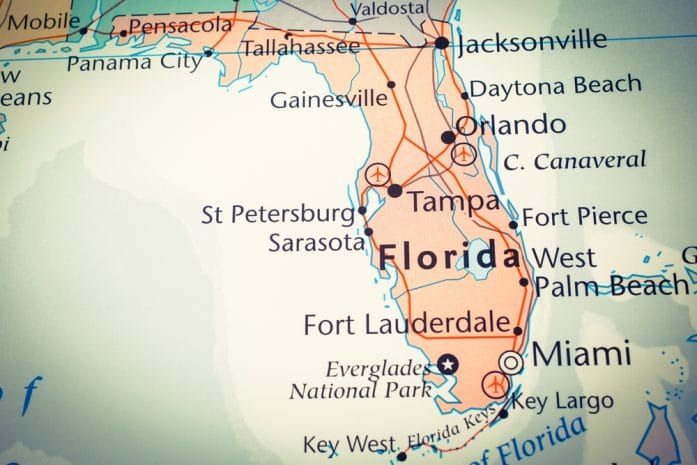
Florida’s home insurance market saw a 3.35% non-renewal rate last year—a small percentage that translated into hundreds of thousands of homeowners suddenly losing coverage. Driven by repeated storm damage, soaring construction costs, heavy litigation, and insurers pulling back from high-risk areas, the state’s insurance landscape is rapidly shifting. Homeowners now face higher premiums, fewer options, and tougher underwriting, while professionals in real estate, mortgage, and insurance must stay informed to guide clients through a tightening market.

Florida’s Tort Reforms Slash Insurance Costs and Spark a Multi‑Billion‑Dollar Economic Boost

Florida’s recent tort reforms are doing far more than reshaping the state’s legal system—they’re driving down property and casualty insurance costs by an average of 14.5% and injecting over $4.2 billion into the state’s economy each year. With nearly 30,000 jobs supported and state and local governments seeing hundreds of millions in new tax revenue, the changes are already transforming Florida’s insurance market. Lawsuits have dropped, insurers are returning, and businesses and homeowners alike are reaping the benefits of a more balanced, competitive, and financially resilient environment.

Commercial Real Estate Rebounds as AI Anxiety Sends Mixed Signals Through the Industry

Major commercial real estate firms are reporting strong revenue and renewed market activity, signaling a rebound in dealmaking and office demand. Yet even with record earnings, CEOs from CBRE, Colliers, and Marcus & Millichap spent much of their earnings calls addressing a growing concern: whether artificial intelligence could threaten traditional brokerage and valuation roles. While leaders insist that complex transactions still rely on human relationships and negotiation, AI‑related market jitters briefly pushed some CRE stocks down before they recovered.