South Florida Real Estate Outlook Brightens for 2026 as Interest Rates Fall
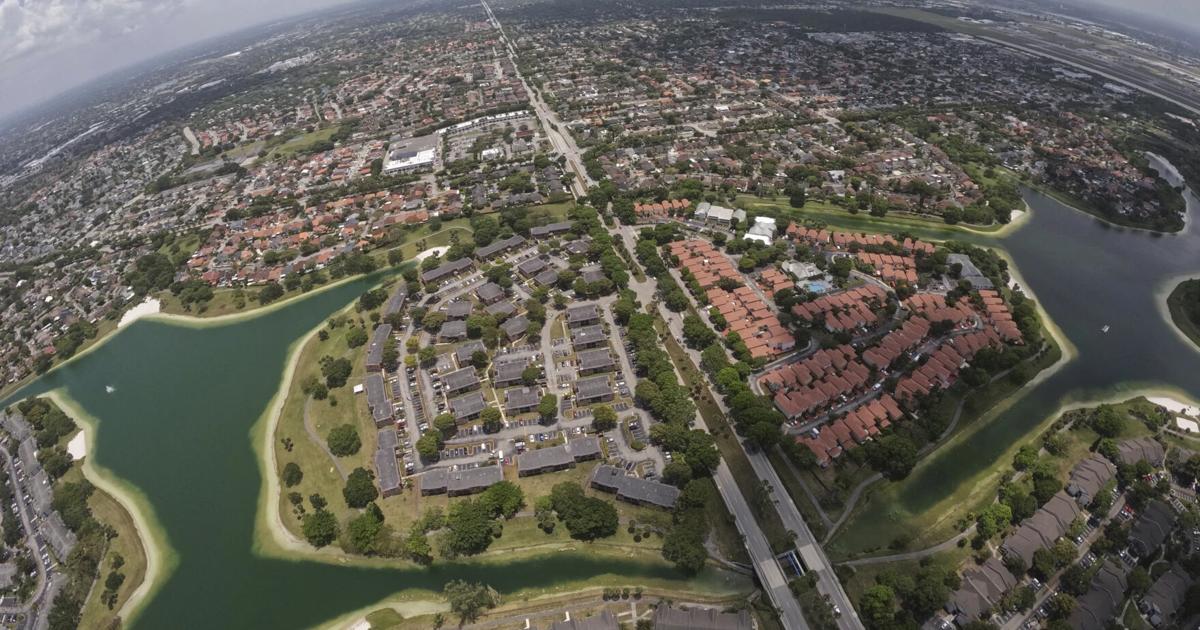
With lower mortgage rates finally arriving and the job market holding strong, South Florida’s housing market appears poised for a more optimistic 2026. After an unpredictable few years marked by rising rates and condo concerns, the region is entering the new year with fresh momentum.
Much like every cycle in South Florida real estate, the story is never simple. But unlike past boom‑and‑bust patterns, 2025 didn’t deliver the “bust” many feared. Instead, limited single‑family home inventory and a surprisingly resilient luxury condo sector helped stabilize prices and soften the landing.
A Look Back: What 2025 Really Delivered
For single‑family homes, 2025 was steady — not spectacular, but far from disastrous. After explosive COVID‑era growth, a year of flat or modest movement felt slower simply because South Florida is used to dramatic swings.
Condos had a rockier start, facing early dips in price and surges in listings, especially older buildings adapting to post‑Surfside reforms. But by year‑end, falling mortgage rates and more accessible pricing brought buyers back, helping stabilize the condo market.
Why 2026 Is Looking Better
The biggest turning point? Mortgage rates are falling. After peaking near 7%, rates have been steadily declining—reducing monthly payments and encouraging more homeowners to consider selling instead of clinging to older, ultra‑low rates.
The Miami Realtors Association predicts a potential drop to 5.8% by late 2026. For a $500,000 loan, that’s over $100/month in savings.
Even with improved outlooks, Redfin still labels South Florida as “likely to cool.” But cooling in Miami rarely means cold — more like shifting from red‑hot to golden warm.
What’s Slowing the Condo Market?
Many condo boards are still adjusting to structural, financial, and regulatory updates after Surfside. Higher fees or special assessments in some buildings cause buyers to hesitate, naturally slowing condo movement compared to single‑family homes.
Affordability Still a Major Challenge
Lower mortgage rates help — but prices remain historically high. According to Bankrate, fewer than 1 in 200 Miami homes are considered affordable for an average household.
Fortunately, rising wages in fields like healthcare and professional services help soften the financial gap for many aspiring buyers.
What About Renters?
Miami once again ranked #1 hottest rental market in America, per RentCafe. Even with new construction booming, competition remains fierce: an average rental receives 19 prospective renters.
Translation: high rents aren’t going away.
Could Property Taxes Shift the Market?
An upcoming 2026 vote on a constitutional amendment could reshape property taxes. If approved, home values may rise longer‑term, while apartment owners could shoulder more tax responsibility — inevitably pushing rents higher.
Commercial Real Estate Stays Surprisingly Strong
Against national trends, South Florida’s commercial sector is thriving. Lower vacancy rates, strong leasing activity, and robust job growth help position Miami as a commercial powerhouse, according to a recent TD Bank report.
Why This Matters to Industry Professionals
Whether you work in real estate, mortgage, insurance, appraisals, or any housing‑related service, understanding these emerging trends is essential. South Florida’s market isn’t cooling — it’s evolving, and it demands knowledgeable experts.
If you’re aiming to upgrade or earn your professional license, Cameron Academy continues to be a trusted, modern, student‑focused partner for Florida real estate and professional licensing education.
Special thanks to WLRN and The Miami Times. Read the original story at
miamitimesonline.com
More Articles
Getting licensed or staying ahead in your career can be a journey—but it doesn’t have to be overwhelming. Grab your favorite coffee or tea, take a moment to relax, and browse through our articles. Whether you’re just starting out or renewing your expertise, we’ve got tips, insights, and advice to keep you moving forward. Here’s to your success—one sip and one step at a time!
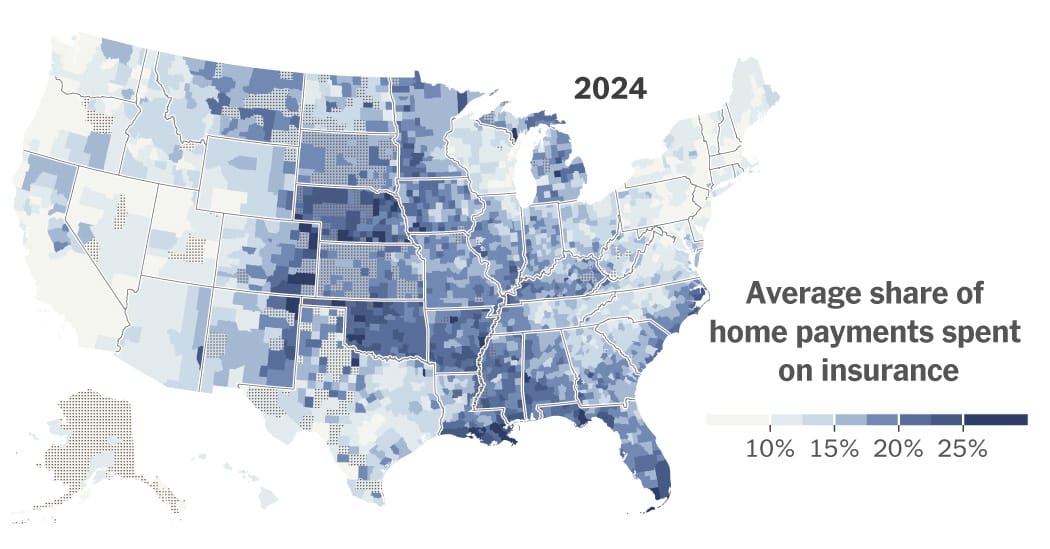
A surge in home insurance premiums is reshaping housing markets across the country, hitting disaster‑prone regions the hardest. From Louisiana to Colorado and California, deals are collapsing, buyers are backing out, and home values are dropping as insurance becomes a central affordability hurdle. New data shows climate‑driven risk repricing and soaring reinsurance costs are stripping tens of thousands of dollars from property values, forcing some homeowners to sell at a loss—or go uninsured altogether.
After years of sluggish activity, the National Association of REALTORS predicts 2026 could mark the long‑awaited rebound for the housing market. With a projected 14% jump in home sales, steadier rates near 6%, and rising buyer activity, NAR economists say momentum is already building. Early signs—like a 31% surge in mortgage applications, continued job growth, and stabilizing prices—suggest a stronger, more confident market ahead, creating fresh opportunities for both seasoned professionals and aspiring agents preparing to enter the field.
A surge of global capital is reshaping real estate heading into 2026, with investors shifting toward hands‑on strategies, cross‑border diversification, and high‑growth asset classes like data centers. Colliers’ 2026 Global Investor Outlook highlights rising confidence, improving liquidity, and a major pivot toward direct investing and value‑add opportunities. From office market rebounds to Asia Pacific’s rapid fundraising growth, the report outlines trends every real estate professional should understand as the industry enters a more dynamic, opportunity‑rich cycle.
Culver City just became the first place in California to legalize six‑story apartment buildings with only one staircase — a simple change that could reshape mid‑rise housing statewide. By freeing up as much as 7% more usable floor space, architects say single‑stair designs allow bigger units, more windows, and the kind of elegant layouts common in New York and Europe. If the city’s six‑year experiment succeeds, it may spark a broader rethinking of U.S. building codes and open the door to more flexible, affordable multifamily development across California.
Stratford homeowners are receiving their 2025 Notices of Assessment Change, marking the town’s first property revaluation since 2019. Officials emphasize that rising assessments do not equal higher tax bills, as a new mill rate won’t be set until spring 2026. Residents can challenge or review their updated valuations through informal hearings hosted by Vision Government Solutions, with appointments available for one week after receiving a notice.
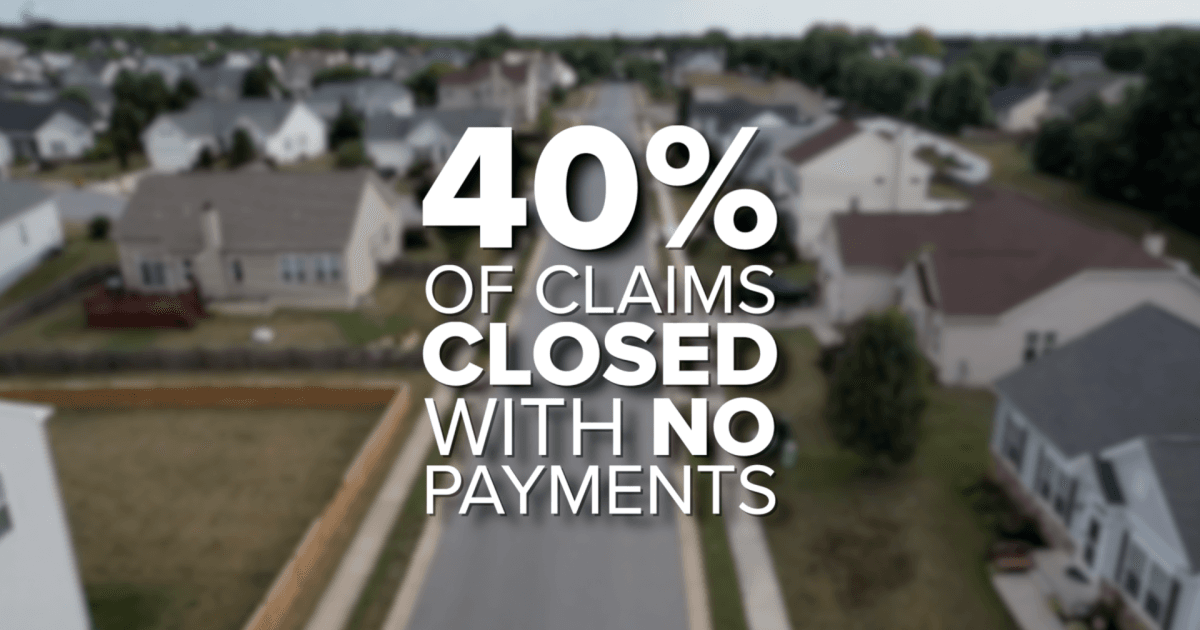
New reporting reveals Florida homeowners now face an average insurance premium of $5,838 per year — nearly triple the national average. With skyrocketing rates, denied claims, and mounting non-renewals, residents are being pushed to tough financial decisions while lawmakers scramble to implement reforms. From retirees skipping coverage to families battling insurers for fair payouts, Florida’s insurance crisis is reshaping both the housing market and the daily lives of homeowners statewide.