South Florida Real Estate Outlook Brightens for 2026 as Interest Rates Fall
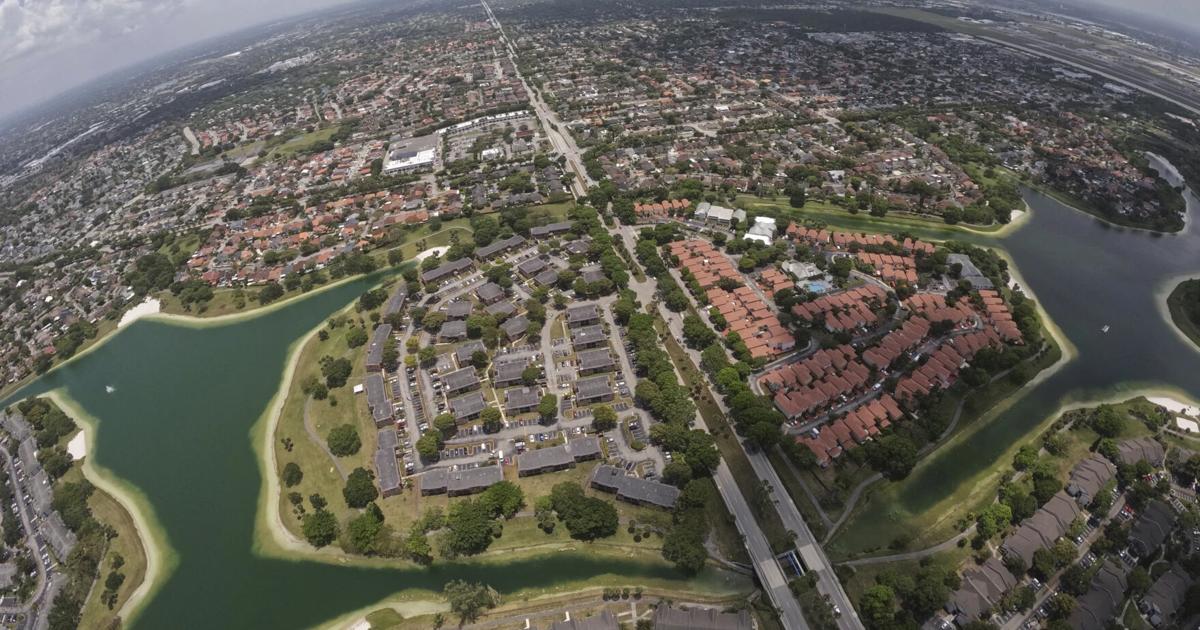
With lower mortgage rates finally arriving and the job market holding strong, South Florida’s housing market appears poised for a more optimistic 2026. After an unpredictable few years marked by rising rates and condo concerns, the region is entering the new year with fresh momentum.
Much like every cycle in South Florida real estate, the story is never simple. But unlike past boom‑and‑bust patterns, 2025 didn’t deliver the “bust” many feared. Instead, limited single‑family home inventory and a surprisingly resilient luxury condo sector helped stabilize prices and soften the landing.
A Look Back: What 2025 Really Delivered
For single‑family homes, 2025 was steady — not spectacular, but far from disastrous. After explosive COVID‑era growth, a year of flat or modest movement felt slower simply because South Florida is used to dramatic swings.
Condos had a rockier start, facing early dips in price and surges in listings, especially older buildings adapting to post‑Surfside reforms. But by year‑end, falling mortgage rates and more accessible pricing brought buyers back, helping stabilize the condo market.
Why 2026 Is Looking Better
The biggest turning point? Mortgage rates are falling. After peaking near 7%, rates have been steadily declining—reducing monthly payments and encouraging more homeowners to consider selling instead of clinging to older, ultra‑low rates.
The Miami Realtors Association predicts a potential drop to 5.8% by late 2026. For a $500,000 loan, that’s over $100/month in savings.
Even with improved outlooks, Redfin still labels South Florida as “likely to cool.” But cooling in Miami rarely means cold — more like shifting from red‑hot to golden warm.
What’s Slowing the Condo Market?
Many condo boards are still adjusting to structural, financial, and regulatory updates after Surfside. Higher fees or special assessments in some buildings cause buyers to hesitate, naturally slowing condo movement compared to single‑family homes.
Affordability Still a Major Challenge
Lower mortgage rates help — but prices remain historically high. According to Bankrate, fewer than 1 in 200 Miami homes are considered affordable for an average household.
Fortunately, rising wages in fields like healthcare and professional services help soften the financial gap for many aspiring buyers.
What About Renters?
Miami once again ranked #1 hottest rental market in America, per RentCafe. Even with new construction booming, competition remains fierce: an average rental receives 19 prospective renters.
Translation: high rents aren’t going away.
Could Property Taxes Shift the Market?
An upcoming 2026 vote on a constitutional amendment could reshape property taxes. If approved, home values may rise longer‑term, while apartment owners could shoulder more tax responsibility — inevitably pushing rents higher.
Commercial Real Estate Stays Surprisingly Strong
Against national trends, South Florida’s commercial sector is thriving. Lower vacancy rates, strong leasing activity, and robust job growth help position Miami as a commercial powerhouse, according to a recent TD Bank report.
Why This Matters to Industry Professionals
Whether you work in real estate, mortgage, insurance, appraisals, or any housing‑related service, understanding these emerging trends is essential. South Florida’s market isn’t cooling — it’s evolving, and it demands knowledgeable experts.
If you’re aiming to upgrade or earn your professional license, Cameron Academy continues to be a trusted, modern, student‑focused partner for Florida real estate and professional licensing education.
Special thanks to WLRN and The Miami Times. Read the original story at
miamitimesonline.com
More Articles
Getting licensed or staying ahead in your career can be a journey—but it doesn’t have to be overwhelming. Grab your favorite coffee or tea, take a moment to relax, and browse through our articles. Whether you’re just starting out or renewing your expertise, we’ve got tips, insights, and advice to keep you moving forward. Here’s to your success—one sip and one step at a time!
Local elections across major U.S. cities have kicked off a wave of policy changes that could reshape development costs, rental income, and investment strategies heading into 2026. From NYC’s aggressive tenant‑protection agenda to Chicago’s sustainability push, Miami’s political uncertainty, and Boston’s steady zoning overhaul, the post‑election environment is redefining how real estate professionals, investors, and lenders should prepare for the year ahead.
Insurance carriers are rapidly rolling out AI-related exclusions that strip coverage from claims involving AI tools, automated decision‑making, or generative platforms like ChatGPT and Midjourney. With firms like Berkley and Hamilton introducing sweeping “absolute” and generative‑AI‑specific exclusions, professionals in real estate, mortgage, insurance, and finance now face new liability gaps. As AI becomes unavoidable in everyday work, understanding these exclusions is essential for protecting your career and staying compliant in a fast‑changing risk environment.
Proptech startup Venn has raised a $52 million Series B to unify the entire renting lifecycle into one intelligent platform, replacing over a dozen traditional systems and serving more than half a million tenants. As AI‑powered tools like Venn rapidly reshape property operations, real estate professionals — especially in fast‑moving markets like Florida — will need stronger education and tech‑savvy skills to stay competitive.
Florida’s Gulf Coast is undergoing a dramatic transformation as soaring insurance premiums, costly construction requirements, and the long shadow of Hurricane Ian force middle‑class families, workers, and longtime residents out of communities they once anchored. With premiums topping $5,700 a year — and many paying far more — Realtors warn of looming foreclosures, renters face steep increases, and entire neighborhoods are being rebuilt for wealthier newcomers. This mounting crisis is reshaping the state’s real estate landscape and leaving professionals scrambling to adapt.
Economic uncertainty, rapid tech advances and shifting population patterns are setting the stage for a pivotal year in commercial real estate. New findings from the Counselors of Real Estate, presented at NAR NXT, outline ten major forces reshaping strategy, investment and opportunity in 2026—from policy impacts and portfolio risk to AI adoption, capital flow changes, housing attainability and demographic shifts. This outlook offers clarity and caution for professionals across real estate, mortgage, finance and related fields.
Florida’s home insurance crisis is back in the spotlight as new reforms appear to be repeating decades‑old mistakes. Despite efforts to depopulate Citizens and attract private insurers, many of the companies taking over policies have ties to past insolvencies. Critics say weak oversight, generous ratings, and political influence are allowing unstable insurers to thrive while homeowners pay more for less protection. Experts warn that without transparent ratings, real accountability, and unified regulation, Florida’s insurance market will remain vulnerable—putting property values, lending, and the broader real estate industry at risk.