States Experiencing Population Shifts: A Comprehensive Analysis of Migration Trends
Unpacking the States People Are Leaving and the States They Are Flocking To
Ever wondered about the shifting migration patterns in the United States? This article offers an in-depth look at the top 10 states people are leaving and the top 10 states people are gravitating towards. We’ll delve into the reasons behind these population shifts and provide valuable insights into the dynamics of migration trends.
Migration within the United States has spiked in recent years, influenced by a myriad of factors such as job prospects, family connections, retirement plans, and lifestyle choices. By dissecting these migration patterns, we can gain a richer understanding of the changing demographics and the impact on different states.
Join us as we sift through the data and spotlight the states experiencing the most significant population shifts. Whether you’re contemplating a move yourself or simply intrigued by the trends shaping our nation, this article will equip you with valuable insights into the states people are departing from and the states they are settling in.
Decoding the Factors Driving Migration Patterns
Before we dive into the specific states, it’s crucial to grasp the factors propelling these migration patterns. Work-related reasons, such as job opportunities and career advancement, often serve as the primary catalysts for people to relocate. Additionally, moving closer to family and seeking a lifestyle change are also common triggers of migration.

The Exodus: Top 10 States People Are Leaving
Let’s kick things off by exploring the top 10 states people are leaving. These states have witnessed a significant population decline in recent years, driven by a variety of factors. From high taxes and cost of living to political climate and weather conditions, each state has its unique challenges that contribute to the exodus.
1. California: The high cost of living, housing affordability issues, and traffic congestion have prompted many residents to seek opportunities elsewhere.
2. New York: The high taxes, crowded cities, and harsh winters have nudged people to consider more affordable and livable alternatives.
3. Illinois: The state’s financial woes, high taxes, and political instability have driven residents to seek greener pastures.
4. Pennsylvania: The aging population, lack of job opportunities, and high property taxes have contributed to the population decline.
5. Massachusetts: The high cost of living, limited housing options, and challenging business environment have pushed people to explore other states.
6. Washington: The rising cost of housing, traffic congestion, and increasing population density have prompted some residents to consider alternatives.
7. Colorado: The rapid growth, increasing cost of living, and limited affordable housing options have led to population shifts.
8. Indiana: The lack of job opportunities, limited career growth, and harsh winters have driven some residents to seek better prospects elsewhere.
9. Michigan: The decline of the automotive industry, economic challenges, and harsh winters have contributed to the population decline.
10. Wisconsin: The high taxes, limited job opportunities, and cold climate have prompted some residents to explore warmer and more business-friendly states.
These states represent a range of challenges that have resulted in population declines. However, it’s important to note that each state also has its unique attractions and advantages that continue to draw residents.

The Promised Land: Top 10 States People Are Moving To
Now, let’s shift our focus to the top 10 states people are moving to. These states have experienced significant population growth, driven by factors such as lower taxes, abundant sunshine, job opportunities, and a high quality of life.
- Texas: The Lone Star State offers a business-friendly environment, affordable housing, and a diverse job market.
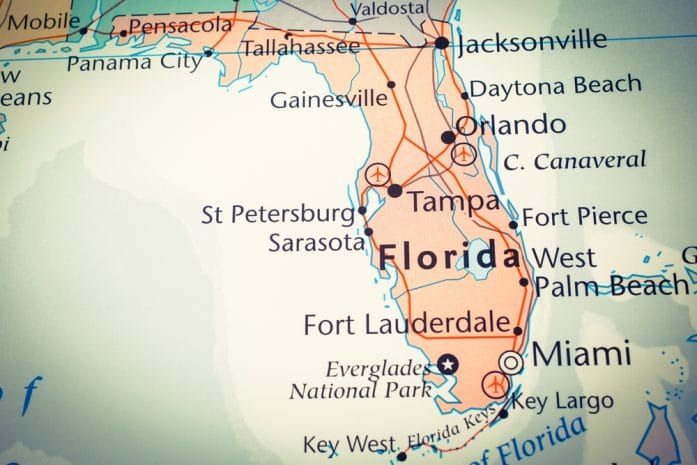
- Florida: The Sunshine State attracts residents with its warm climate, beautiful beaches, and favorable tax policies.
- South Carolina: The Palmetto State boasts a low cost of living, Southern charm, and a growing job market.
- North Carolina: The Tar Heel State offers a mix of vibrant cities, scenic landscapes, and a strong economy.
- Georgia: The Peach State entices residents with its mild climate, diverse culture, and thriving business opportunities.
- Tennessee: The Volunteer State offers a low cost of living, no state income tax, and a rich musical heritage.
- Nevada: The Silver State attracts residents with its entertainment capital, Las Vegas, and no state income tax.
- Maine: The Pine Tree State offers natural beauty, outdoor activities, and a slower pace of life.
- Delaware: The First State boasts low property taxes, proximity to major cities, and a favorable business climate.
- Idaho: The Gem State offers stunning landscapes, outdoor recreation, and a lower cost of living.
These states provide a range of opportunities and advantages that have attracted residents from other parts of the country. From favorable tax policies to job prospects and natural beauty, they offer a promising future for those seeking a change.

The Impact of Migration Trends on the Housing Market
Exploring the Connection Between Population Shifts and Home Improvement
The migration patterns we’ve discussed have significant implications for the housing market. As people move to different states, the demand for housing shifts, affecting prices, availability, and market trends.
Furthermore