Streamlining Real Estate Success: A Deep Dive into CRM Software for 2024
In the fast-paced world of real estate, efficiency is not just a luxury—it’s a necessity. The Tech Report’s recent analysis, “Best Real Estate CRM Software | Top 10 Reviewed + Compared for 2024,” sheds light on the pivotal role of CRM software in transforming how real estate professionals manage leads, engage with clients, and close deals.
The Importance of CRM Software in Real Estate
Real estate is a sector where relationships are king. A robust CRM system is essential for managing these relationships effectively. The article emphasizes how CRM tools enable agents to efficiently handle lead generation, marketing, and sales processes, ultimately leading to increased deal closure rates. By staying organized and tracking prospects, agents can focus more on building relationships rather than being bogged down by administrative tasks.
Top CRM Solutions for 2024
The article reviews a comprehensive list of CRM solutions, each offering unique features and benefits tailored to different needs and budgets:
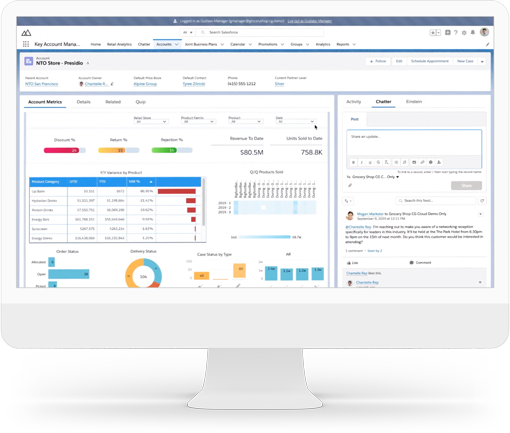
Salesforce: Lauded for its intuitive design and comprehensive features, Salesforce emerges as the top choice for real estate professionals. Its ability to manage contacts, track leads, and streamline communication is unmatched.
Pipedrive: Known for its ease of use in tracking leads and visualizing sales processes.
Zoho CRM: Offers a suite of tools for managing relationships with customers, prospects, and partners.
Monday Sales CRM: Ideal for self-employed professionals looking to streamline communication.
Zendesk Sell: A cloud-based solution focused on selling, perfect for real estate agents.
HubSpot: A free CRM solution that is perfect for small businesses looking to quickly find new leads.
Maximizer CRM: Great for automating daily tasks and improving efficiency.
Less Annoying CRM: A straightforward, no-frills option designed for simplicity and ease of use.
Oracle NetSuite: Provides a comprehensive suite of business applications with end-to-end sales automation capabilities.
Freshsales: An AI-powered system that helps prioritize leads and track activities.
Key Benefits of CRM Systems
The article highlights several benefits of adopting a CRM system in real estate:
Lead Scoring and Follow-Up Automation: CRM systems can prioritize leads and automate follow-up messages, ensuring no opportunity is missed.
Streamlined Sales Process: By automating routine tasks, agents can focus more on closing deals.
Enhanced Customer Service: CRMs provide insights into customer needs, allowing agents to offer personalized service.
Conclusion
In conclusion, the article from The Tech Report underscores Salesforce as the leading CRM for real estate in 2024, thanks to its powerful features and user-friendly interface. However, it also acknowledges other CRM systems that cater to different preferences and budgets, ensuring there’s a solution for every real estate professional.
For those ready to take their real estate business to the next level, exploring these CRM options is a step in the right direction. To read the full article, visit the original source here.
More Articles
Getting licensed or staying ahead in your career can be a journey—but it doesn’t have to be overwhelming. Grab your favorite coffee or tea, take a moment to relax, and browse through our articles. Whether you’re just starting out or renewing your expertise, we’ve got tips, insights, and advice to keep you moving forward. Here’s to your success—one sip and one step at a time!
President Trump recently suggested mortgage rates will drop “a lot lower” by early 2026, sparking industry-wide curiosity — but current economic data tells a more measured story. With today’s 30‑year fixed hovering near 6.25%, experts say meaningful declines remain possible, though not guaranteed, and would depend on softer inflation, weaker economic signals, or a shift in bond market behavior. While political comments created headlines, analysts emphasize that only market conditions — not rhetoric — can drive rates down. Independent forecasts already point toward mid‑5% rates by 2026, offering a potentially healthier landscape for buyers, agents, and mortgage professionals preparing for the next cycle.
Artificial intelligence has moved from a futuristic concept to a central force driving today’s mortgage industry. From smarter underwriting to enhanced borrower experiences and tighter compliance, AI is transforming every corner of mortgage lending. As expectations rise and competition accelerates, AI literacy is no longer optional — it’s a core skill every mortgage, real estate and finance professional must master to stay relevant and lead confidently.
Global commercial real estate is shifting away from short-term recovery cycles and entering a long-term transformation driven by technology, sustainability, demographic change, and evolving work‑life patterns. Capital is becoming more selective, favoring resilient assets and alternative lenders, while high‑demand sectors such as industrial, logistics, data infrastructure, and specialized residential continue to outperform. Geography, sustainability standards, and flexibility are emerging as defining forces for the next cycle, signaling major opportunities—and challenges—for real estate professionals preparing for the future.
Artificial intelligence has moved from hype to essential infrastructure in the real estate world. From smarter valuations and predictive analytics to automated lead generation and personalized property-matching tools, AI is transforming how agents, brokers, lenders, and managers operate. As top platforms like Zillow, Redfin, Opendoor, and dozens more integrate deep‑learning technology, professionals across real estate, mortgage, insurance, and finance are being pushed to adapt. The future belongs to those who embrace these tools — and use them to elevate speed, accuracy, and client experience.
Florida’s once‑troubled property insurance market has staged an impressive recovery after its near‑collapse in 2022. A new ALIRT Insurance Research report shows that legislative reforms, tighter underwriting and the arrival of new insurers have restored stability, reduced Citizens’ policy load and revived industry confidence. While risks remain, the rebound is reshaping housing affordability and creating fresh opportunities for real estate, mortgage and insurance professionals.
A new bill gaining momentum in Tallahassee would stop insurers from denying claims based solely on artificial intelligence. Championed by Rep. Hillary Cassell, the proposal aims to restore trust in Florida’s troubled insurance market by ensuring human oversight in decisions that affect homeowners, newcomers, and industry professionals. As debates intensify, experts warn AI is reshaping insurance faster than ever—making it critical for real estate, mortgage, and insurance professionals to understand the regulatory shifts ahead.