Streamlining Real Estate Success: A Deep Dive into CRM Software for 2024
In the fast-paced world of real estate, efficiency is not just a luxury—it’s a necessity. The Tech Report’s recent analysis, “Best Real Estate CRM Software | Top 10 Reviewed + Compared for 2024,” sheds light on the pivotal role of CRM software in transforming how real estate professionals manage leads, engage with clients, and close deals.
The Importance of CRM Software in Real Estate
Real estate is a sector where relationships are king. A robust CRM system is essential for managing these relationships effectively. The article emphasizes how CRM tools enable agents to efficiently handle lead generation, marketing, and sales processes, ultimately leading to increased deal closure rates. By staying organized and tracking prospects, agents can focus more on building relationships rather than being bogged down by administrative tasks.
Top CRM Solutions for 2024
The article reviews a comprehensive list of CRM solutions, each offering unique features and benefits tailored to different needs and budgets:
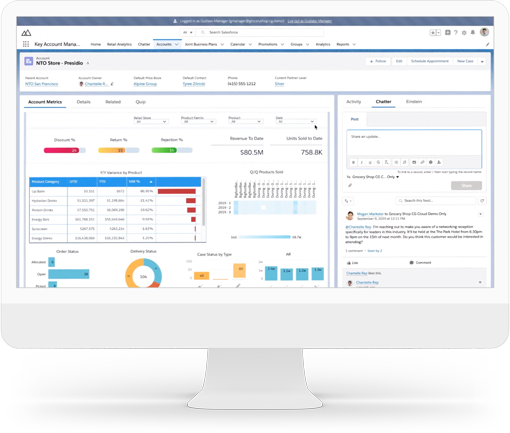
Salesforce: Lauded for its intuitive design and comprehensive features, Salesforce emerges as the top choice for real estate professionals. Its ability to manage contacts, track leads, and streamline communication is unmatched.
Pipedrive: Known for its ease of use in tracking leads and visualizing sales processes.
Zoho CRM: Offers a suite of tools for managing relationships with customers, prospects, and partners.
Monday Sales CRM: Ideal for self-employed professionals looking to streamline communication.
Zendesk Sell: A cloud-based solution focused on selling, perfect for real estate agents.
HubSpot: A free CRM solution that is perfect for small businesses looking to quickly find new leads.
Maximizer CRM: Great for automating daily tasks and improving efficiency.
Less Annoying CRM: A straightforward, no-frills option designed for simplicity and ease of use.
Oracle NetSuite: Provides a comprehensive suite of business applications with end-to-end sales automation capabilities.
Freshsales: An AI-powered system that helps prioritize leads and track activities.
Key Benefits of CRM Systems
The article highlights several benefits of adopting a CRM system in real estate:
Lead Scoring and Follow-Up Automation: CRM systems can prioritize leads and automate follow-up messages, ensuring no opportunity is missed.
Streamlined Sales Process: By automating routine tasks, agents can focus more on closing deals.
Enhanced Customer Service: CRMs provide insights into customer needs, allowing agents to offer personalized service.
Conclusion
In conclusion, the article from The Tech Report underscores Salesforce as the leading CRM for real estate in 2024, thanks to its powerful features and user-friendly interface. However, it also acknowledges other CRM systems that cater to different preferences and budgets, ensuring there’s a solution for every real estate professional.
For those ready to take their real estate business to the next level, exploring these CRM options is a step in the right direction. To read the full article, visit the original source here.
More Articles
Getting licensed or staying ahead in your career can be a journey—but it doesn’t have to be overwhelming. Grab your favorite coffee or tea, take a moment to relax, and browse through our articles. Whether you’re just starting out or renewing your expertise, we’ve got tips, insights, and advice to keep you moving forward. Here’s to your success—one sip and one step at a time!
Artificial intelligence has shifted from a novelty to a defining force in real estate, transforming everything from listing creation to virtual staging while raising new legal and ethical risks. As AI adoption accelerates, experts warn that the agents who embrace automation and new tools now will gain a major competitive edge, while those who delay could fall behind in a rapidly evolving industry.
As AI and automation reshape the workforce, one form of career protection remains as powerful as ever: earning a state license. From real estate to trades to finance, licensed professionals stay in high demand because their work requires proven competence, accountability and human judgment—qualities technology can enhance but never replace. With trade enrollment surging, investor interest growing and licensing on the rise across the country, credentials have become a reliable path to stability, mobility and long-term earning potential.
A new wave of AI platforms is redefining how real estate agents identify buyer intent, spark conversations, and nurture relationships. From conversational home search engines to predictive opportunity alerts and relationship‑intelligence systems, these tools are helping agents connect sooner and smarter—reshaping daily workflows as the 2026 market approaches.
Texas money is riding hard into San Francisco, snapping up distressed downtown buildings at prices not seen in decades. From Union Square to California Street, major players like Lone Star Funds are betting big on the city’s rebound, signaling that the market may have finally hit bottom and that a new wave of opportunity is taking shape for savvy real estate professionals nationwide.
The 2025 holiday season is expected to break the $1 trillion sales mark, but economists say the milestone masks deeper consumer caution, income‑driven spending gaps, and weakening unit sales. Urban Land Magazine’s latest analysis shows how these mixed signals are shaping a selective, uneven landscape for U.S. commercial real estate heading into 2026—where strong locations thrive, weaker assets struggle, and affluent shoppers continue to dictate market performance.
As 2025 ends, the housing market is inching toward balance with slower price growth, rising inventory, and steadier mortgage rates. Experts predict modest 1% to 2% home‑price growth in 2026—not a crash, but a calmer, more predictable market shaped by regional differences. With the Fed easing rates and inventory climbing in key cities, 2026 may become the most buyer‑friendly year in recent memory, especially for those prepared to act when the right home appears.