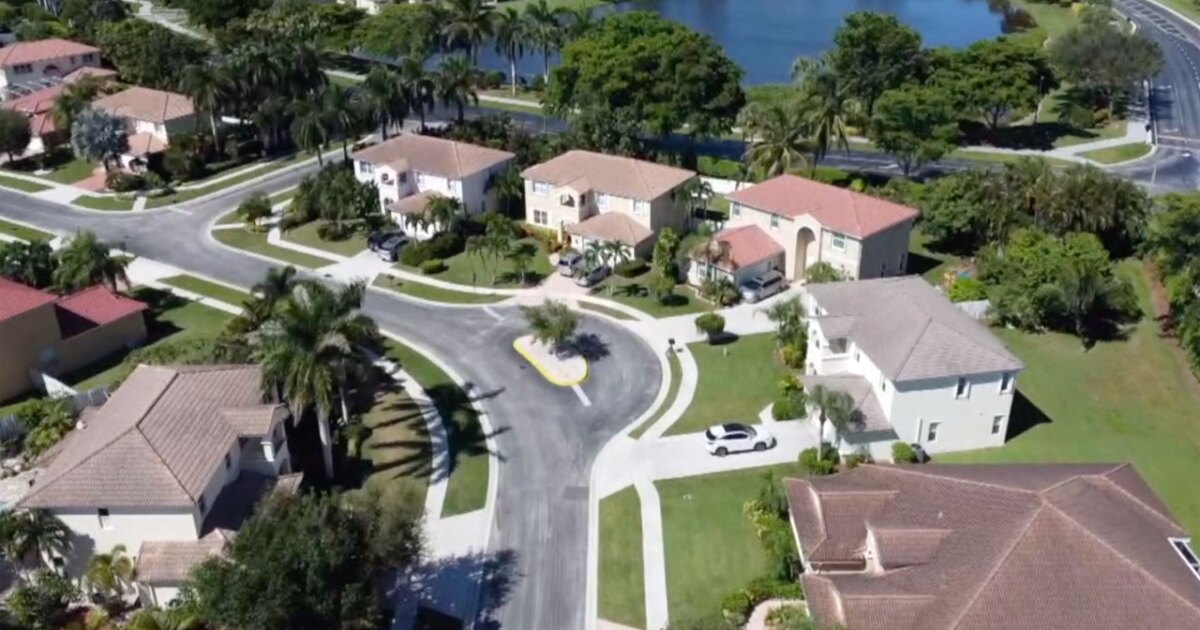
In the ever-evolving landscape of commercial real estate, a new challenge has emerged, straining the resilience of landlords and developers alike. As reported in The New York Times, the soaring costs of insurance, exacerbated by climate-induced natural disasters, are creating a formidable obstacle for property owners.
The Growing Burden
Post-pandemic vacancies and mounting debt payments have plagued the commercial real estate sector for over two years. Yet, even as these challenges begin to subside, landlords face a persistent threat: escalating insurance costs. This issue is not unfamiliar to homeowners across the nation. With the rise in climate-related disasters, insurance companies are either hiking rates or withdrawing from vulnerable markets altogether.
Particularly affected are coastal cities and towns, where the risk of storms and floods is high. However, insurers and banks are increasingly recognizing that no region is immune to extreme weather events.
Insurance Woes and Financial Strain
Recent hurricanes, such as Hurricane Helene and Hurricane Milton, have left insurers potentially liable for as much as $75 billion in damages. The repercussions are felt acutely by building owners, who find themselves caught between insurers and lenders. Lenders, wary of catastrophic losses, are reluctant to permit any adjustments to insurance policies, leaving struggling borrowers with little room to maneuver.
The situation is dire enough that some industry insiders report deals collapsing due to insurance costs. Mario Kilifarski, head of asset management at Fundamental Advisors, highlighted the pressure on developers and investors in an environment of rising interest rates and material costs. Insurance expenses, he noted, can tip the scales.
Insurance Premiums on the Rise
According to Marsh McLennan, an insurance brokerage, commercial property premiums increased by an average of 11 percent nationwide last year. In storm-prone areas like the Gulf Coast and California, premiums surged by as much as 50 percent. This year, some locations have seen premiums double.
For apartment buildings, insurance now constitutes 8 percent of operating expenses, double the figure from five years ago. Paul Fiorilla, director of research at Yardi Matrix, emphasized that while insurance remains a smaller expense relative to taxes and maintenance, it adds to the strain of stagnating rents and higher borrowing costs.
The Call for Flexibility
Kevin Kaseff, co-founder and managing partner of Titan Real Estate Investment Group, expressed frustration over the lack of support from lenders. Despite lenders’ keen interest in his insurance strategies, they show no willingness to offer assistance.
Seeking Solutions
Commercial property owners, like homeowners, must carry insurance if they have a mortgage. However, the requirements are often more stringent. Modifications to insurance coverage require lender approval, which can be nearly impossible if the loan is securitized and sold to Wall Street investors.
Danielle Lombardo from Willis Towers Watson noted that insurance pricing has halted deals and forced some into foreclosure. She pointed out that costs can escalate between the time financing is arranged and the deal’s closure.
Kaseff suggests that banks should allow owners to purchase insurance with higher deductibles or policies covering only the loan value, not the replacement cost of the building. However, banks remain cautious, fearing that inadequate coverage could destabilize the real estate market in the event of a disaster.
Looking Ahead
While the insurance dilemma is more of a headache than a catastrophe, data on loan delinquencies shows stress but not alarm. By exercising caution and shedding older loans, banks may have averted a crisis. Delinquencies have risen to 1.5 percent of all outstanding loans, far below the 10 percent during the 2008 financial crisis.
The commercial real estate slump has hit larger banks harder, particularly those with urban properties affected by pandemic-driven occupancy changes. However, a recent Federal Reserve interest rate cut offers a glimmer of hope for property owners.
The challenges of navigating insurance coverage have elevated its significance within the industry. Once a task for middle managers, it now commands the attention of senior executives. As the real estate sector grapples with these complexities, one thing is clear: the road ahead requires careful analysis and strategic planning.
More Articles
Getting licensed or staying ahead in your career can be a journey—but it doesn’t have to be overwhelming. Grab your favorite coffee or tea, take a moment to relax, and browse through our articles. Whether you’re just starting out or renewing your expertise, we’ve got tips, insights, and advice to keep you moving forward. Here’s to your success—one sip and one step at a time!
Florida’s home insurance market is experiencing a wave of optimism as recent litigation reforms lead to fewer lawsuits, stronger insurer stability, and even rate reductions. With companies like Florida Peninsula lowering premiums and 17 new insurers entering the state, real estate, mortgage, and insurance professionals can expect smoother transactions, increased buyer confidence, and a more competitive market environment in the year ahead.
Mortgage rates have dipped to levels not seen since 2022, with the 30‑year fixed averaging just 6.361% and Freddie Mac reporting an even lower 6.06%. The drop is reshaping buyer affordability, sparking renewed market activity, and creating fresh opportunities for real estate professionals—especially in fast‑moving markets like Florida.
The 2026 housing market is shaping up to be one of the most pivotal in years, with mortgage rates showing slight relief, affordability shifting toward the Midwest and South, and buyers turning to options like ARMs and new‑construction homes. Early signals point to new opportunities for buyers, investors, and real‑estate professionals—especially those ready to navigate a market defined by moderate rate drops, regional affordability gaps, and builder‑driven incentives.
Ares Commercial Real Estate CEO Bryan Donohoe sold US$107k in shares this week, trimming his stake by 13% and adding to a pattern of insider selling with no insider purchases in the past 12 months. With insider ownership sitting at a modest 1.6%, the activity signals a cautious tone inside the company—something real estate, mortgage, and finance professionals may want to watch as they assess broader market confidence.
Florida’s 2026 legislative session is officially underway, launching a wave of high‑impact bills targeting property insurance reform, a proposal to eliminate property taxes, new education attendance requirements, and even an AI Bill of Rights. With over a hundred bills already filed, real estate agents, investors, insurers, educators, and other licensed professionals can expect significant regulatory shifts that may reshape Florida’s housing market, insurance costs, and professional compliance standards.
Warren Buffett’s timeless investing wisdom is more relevant than ever in 2026. Despite decades of market change, his core lesson remains the same: long‑term conviction outperforms short‑term prediction. From embracing occasional underperformance to avoiding emotional decisions, Buffett’s philosophy highlights why deep understanding and steady confidence are more valuable than trying to forecast market swings. This mindset isn’t just for investors—it’s a guiding principle for professionals looking to grow their careers with clarity and purpose.