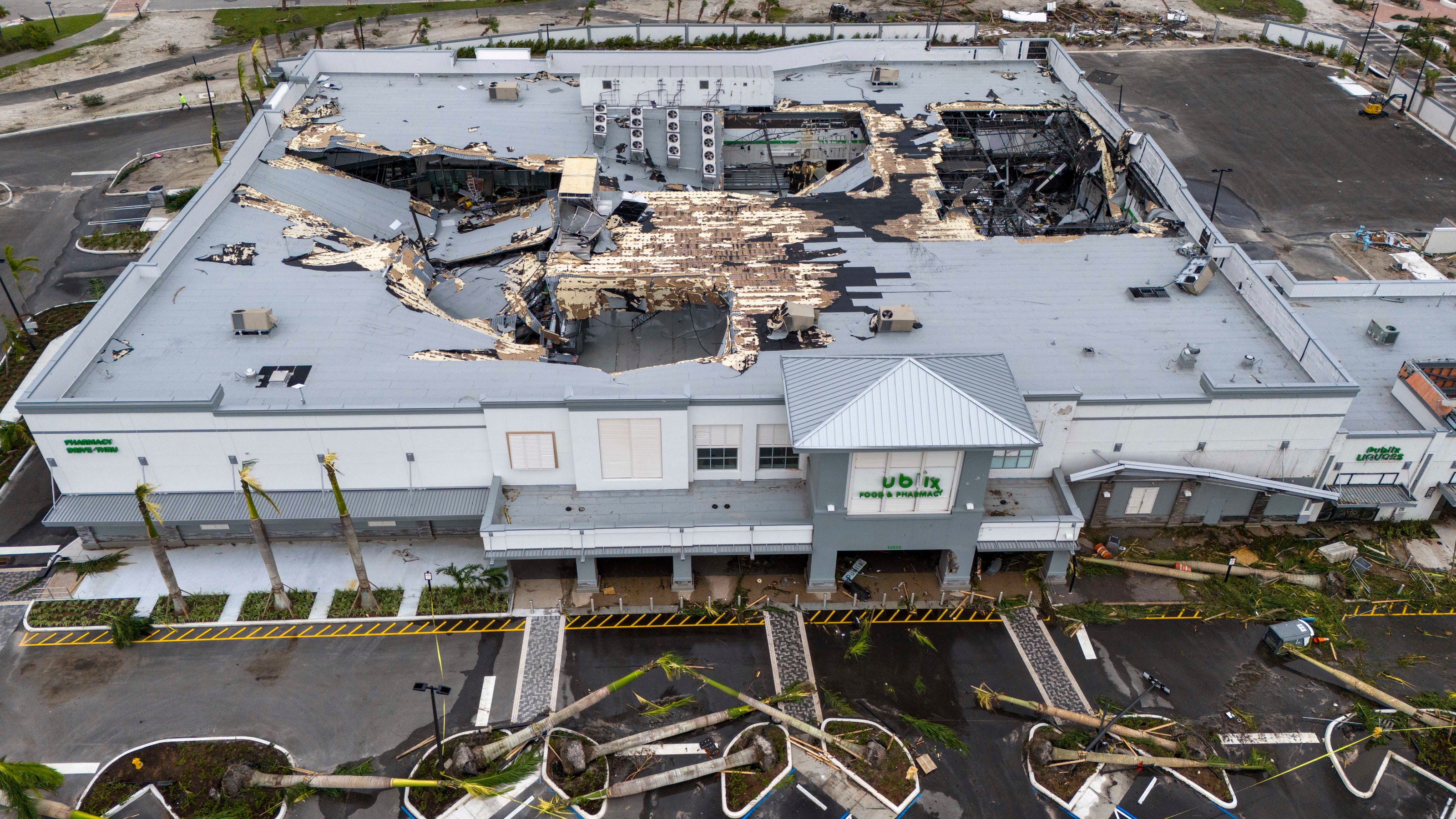
In the ever-evolving landscape of commercial real estate, a new challenge has emerged, straining the resilience of landlords and developers alike. As reported in The New York Times, the soaring costs of insurance, exacerbated by climate-induced natural disasters, are creating a formidable obstacle for property owners.
The Growing Burden
Post-pandemic vacancies and mounting debt payments have plagued the commercial real estate sector for over two years. Yet, even as these challenges begin to subside, landlords face a persistent threat: escalating insurance costs. This issue is not unfamiliar to homeowners across the nation. With the rise in climate-related disasters, insurance companies are either hiking rates or withdrawing from vulnerable markets altogether.
Particularly affected are coastal cities and towns, where the risk of storms and floods is high. However, insurers and banks are increasingly recognizing that no region is immune to extreme weather events.
Insurance Woes and Financial Strain
Recent hurricanes, such as Hurricane Helene and Hurricane Milton, have left insurers potentially liable for as much as $75 billion in damages. The repercussions are felt acutely by building owners, who find themselves caught between insurers and lenders. Lenders, wary of catastrophic losses, are reluctant to permit any adjustments to insurance policies, leaving struggling borrowers with little room to maneuver.
The situation is dire enough that some industry insiders report deals collapsing due to insurance costs. Mario Kilifarski, head of asset management at Fundamental Advisors, highlighted the pressure on developers and investors in an environment of rising interest rates and material costs. Insurance expenses, he noted, can tip the scales.
Insurance Premiums on the Rise
According to Marsh McLennan, an insurance brokerage, commercial property premiums increased by an average of 11 percent nationwide last year. In storm-prone areas like the Gulf Coast and California, premiums surged by as much as 50 percent. This year, some locations have seen premiums double.
For apartment buildings, insurance now constitutes 8 percent of operating expenses, double the figure from five years ago. Paul Fiorilla, director of research at Yardi Matrix, emphasized that while insurance remains a smaller expense relative to taxes and maintenance, it adds to the strain of stagnating rents and higher borrowing costs.
The Call for Flexibility
Kevin Kaseff, co-founder and managing partner of Titan Real Estate Investment Group, expressed frustration over the lack of support from lenders. Despite lenders’ keen interest in his insurance strategies, they show no willingness to offer assistance.
Seeking Solutions
Commercial property owners, like homeowners, must carry insurance if they have a mortgage. However, the requirements are often more stringent. Modifications to insurance coverage require lender approval, which can be nearly impossible if the loan is securitized and sold to Wall Street investors.
Danielle Lombardo from Willis Towers Watson noted that insurance pricing has halted deals and forced some into foreclosure. She pointed out that costs can escalate between the time financing is arranged and the deal’s closure.
Kaseff suggests that banks should allow owners to purchase insurance with higher deductibles or policies covering only the loan value, not the replacement cost of the building. However, banks remain cautious, fearing that inadequate coverage could destabilize the real estate market in the event of a disaster.
Looking Ahead
While the insurance dilemma is more of a headache than a catastrophe, data on loan delinquencies shows stress but not alarm. By exercising caution and shedding older loans, banks may have averted a crisis. Delinquencies have risen to 1.5 percent of all outstanding loans, far below the 10 percent during the 2008 financial crisis.
The commercial real estate slump has hit larger banks harder, particularly those with urban properties affected by pandemic-driven occupancy changes. However, a recent Federal Reserve interest rate cut offers a glimmer of hope for property owners.
The challenges of navigating insurance coverage have elevated its significance within the industry. Once a task for middle managers, it now commands the attention of senior executives. As the real estate sector grapples with these complexities, one thing is clear: the road ahead requires careful analysis and strategic planning.
More Articles
Getting licensed or staying ahead in your career can be a journey—but it doesn’t have to be overwhelming. Grab your favorite coffee or tea, take a moment to relax, and browse through our articles. Whether you’re just starting out or renewing your expertise, we’ve got tips, insights, and advice to keep you moving forward. Here’s to your success—one sip and one step at a time!
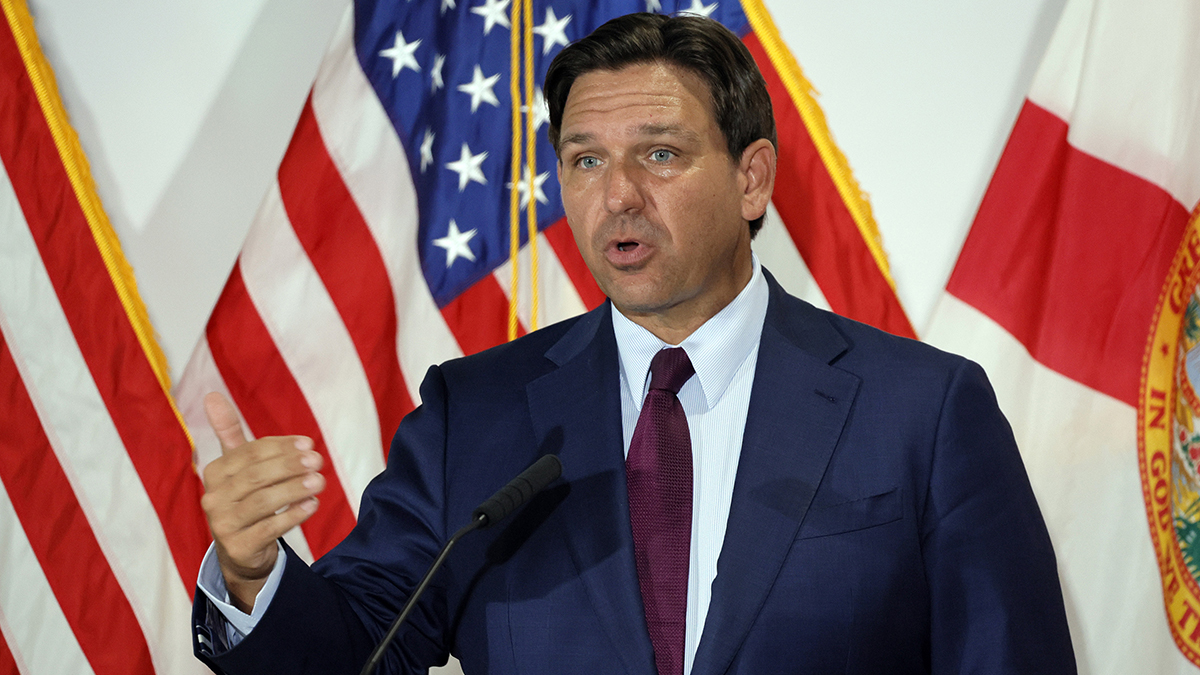
Florida homeowners — especially in hard‑hit South Florida — are set to see rare and substantial reductions in their property insurance premiums. Gov. Ron DeSantis announced an average statewide Citizens Insurance decrease of 8.7%, with even larger savings of up to 14% in counties like Miami-Dade, Broward, and Palm Beach. State officials credit recent legal and regulatory reforms for stabilizing the market, attracting new insurers, and delivering the first meaningful rate relief Floridians have seen in years.
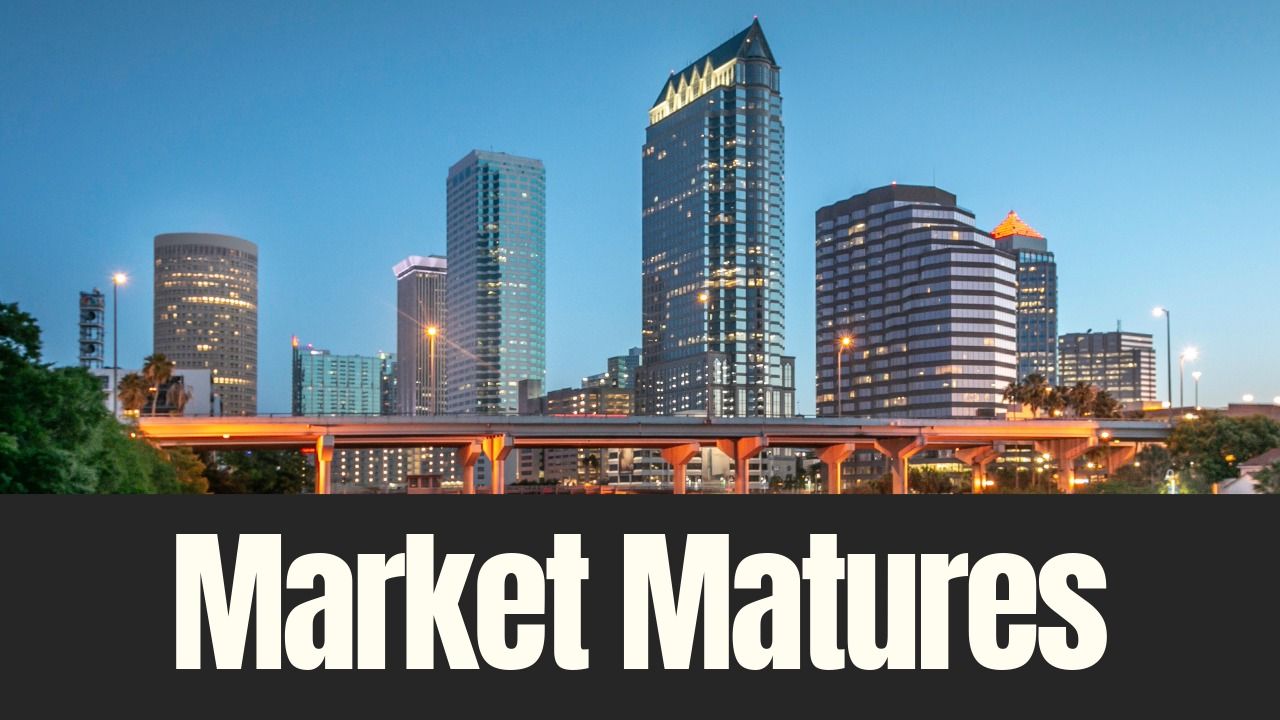
Tampa’s commercial real estate market isn’t slowing—it’s maturing. With strong population growth, rising office demand, a normalized industrial sector, resurgent retail, and an emerging health‑care real estate boom, investors are shifting from speed to strategy. Tighter underwriting, cautious capital and increased due‑diligence are shaping a more disciplined market, creating new opportunities for informed professionals.
Florida homeowners are finally seeing relief as Citizens Property Insurance announces a major 8.7% average rate decrease—far larger than originally proposed. Driven by legislative reforms, fewer lawsuits, and a calm hurricane season, the state’s once‑unstable insurance market is showing real signs of recovery. But with reduced coverage limits and shifting legal protections, experts warn that lower premiums may come with hidden trade‑offs.
After a decade of rising premiums and retreating carriers, Florida homeowners are finally seeing long‑awaited relief. Dozens of insurers have filed for rate decreases—some as high as 11%—thanks to legislative reforms and a stabilizing market. Early approvals are already hitting counties across the state, and experts say the momentum could boost buyer confidence, affordability, and competition throughout Florida’s real estate and insurance sectors.
After years of slowed activity caused by rising interest rates, the self‑storage industry is heating up again. New data from Marcus & Millichap shows a fresh market cycle emerging, driven by renewed buyer confidence, recalibrated pricing, and stronger lender participation. Acquisitions are rebounding, development is resetting in a healthier direction, and financing conditions are improving—creating one of the most promising investment landscapes the sector has seen in years.
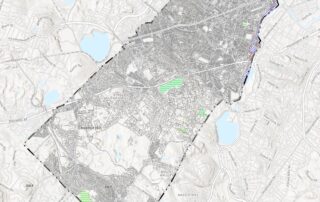
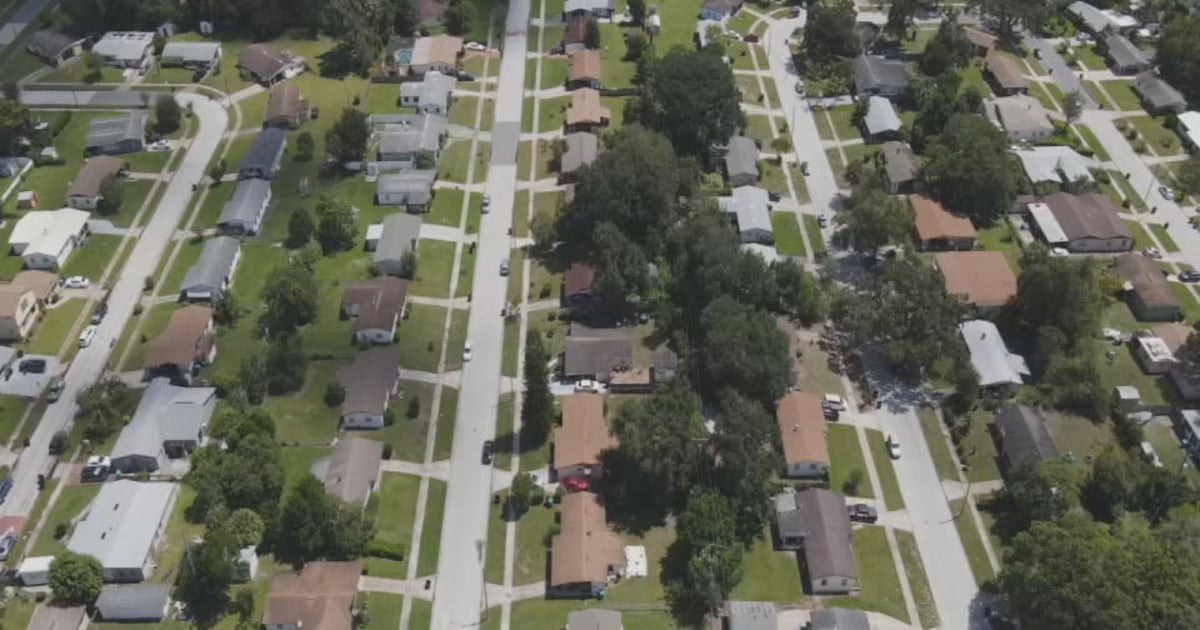
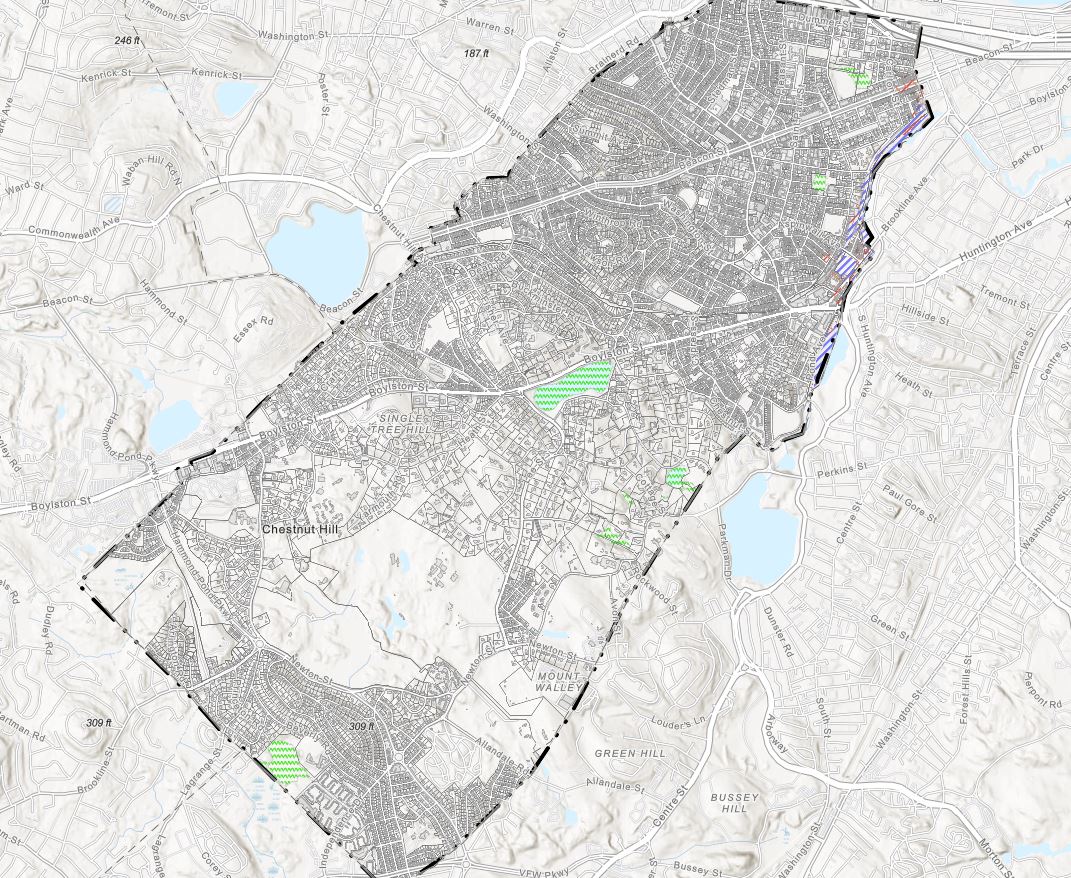
Brookline’s newly updated FEMA flood maps identify 97 high‑risk parcels, but local experts warn the true threat is far greater. While FEMA highlights river‑based flooding around Leverett Pond and the Muddy River, alternative models show more than 1,300 Brookline properties at risk within 30 years. Hidden vulnerabilities along major corridors like Beacon Street, rising rainfall intensity, aging infrastructure, and climate‑driven storm patterns suggest that many “low‑risk” areas may be anything but safe.