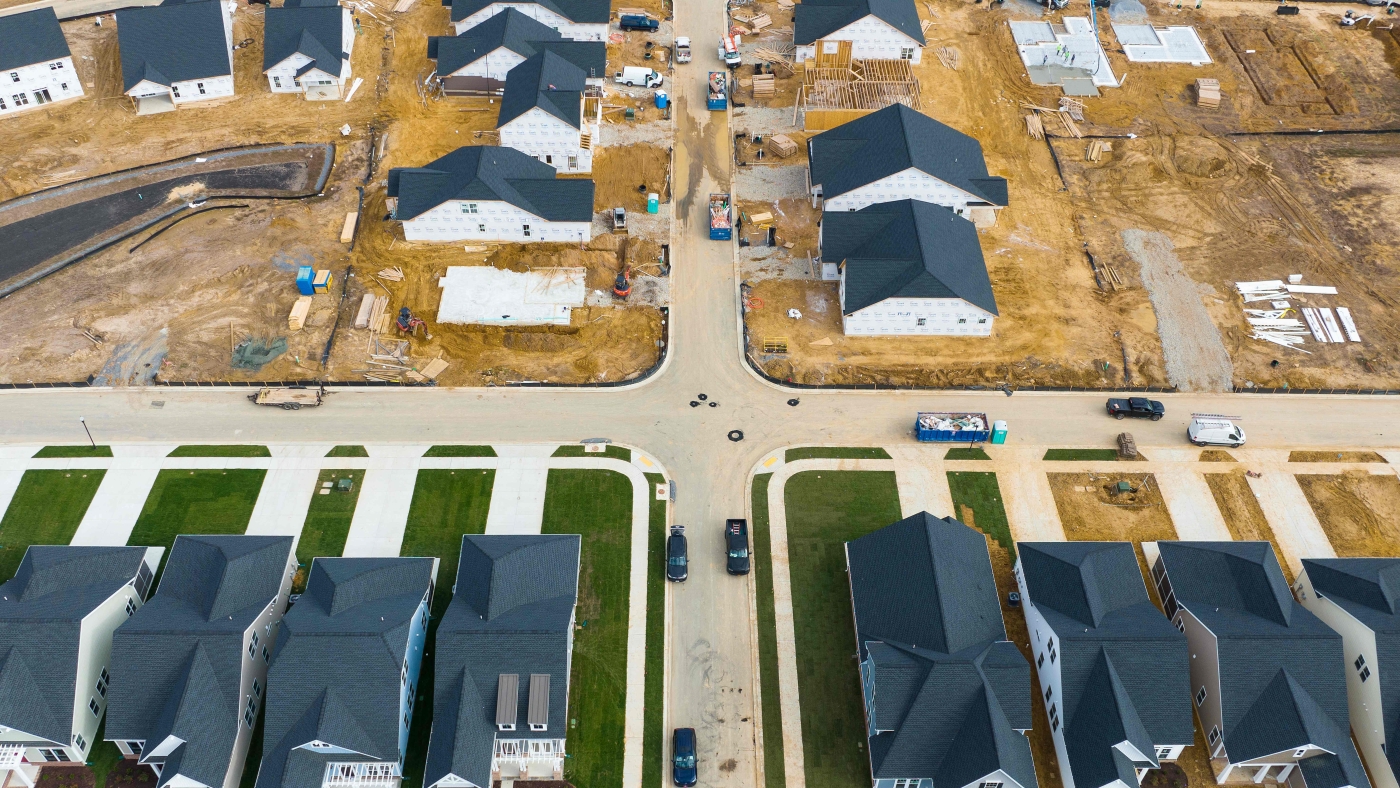
In recent years, there has been a noticeable shift in home buying trends, with a significant number of buyers opting for suburban living over the traditional choice of city centres. This transition is largely driven by affordability, improved infrastructure, evolving lifestyle preferences, and the rise of remote work. Let’s delve into the primary factors influencing this trend.
1. More Space at an Affordable Price
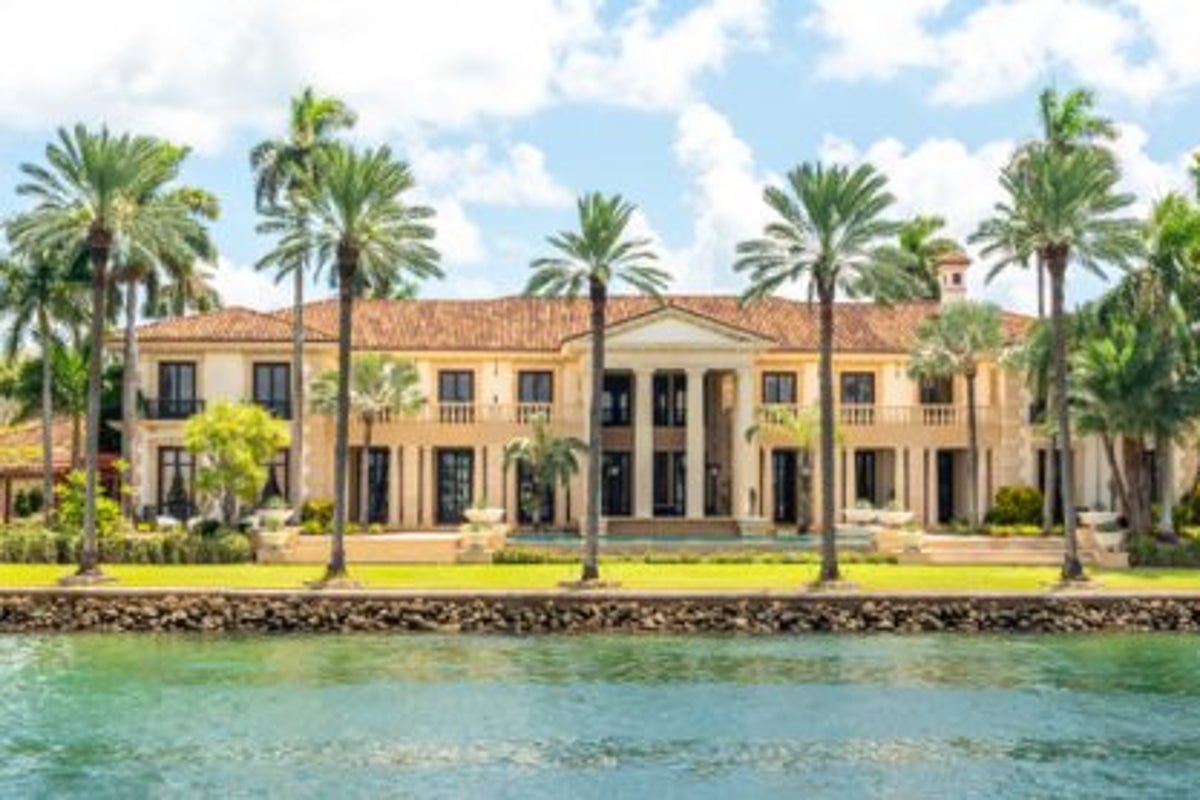
The steep property prices in metropolitan areas present a challenge to many prospective homeowners. On the contrary, suburban areas offer more spacious homes, often featuring gardens, balconies, and dedicated workspaces, at a comparatively lower cost. The post-pandemic era has heightened the need for comfortable living environments, rendering suburban homes particularly appealing to families and working professionals.
2. The Remote Work Revolution
As hybrid and remote work models become the norm, the need to live close to the office diminishes. Professionals now prefer residences in quieter, greener environments that support a balanced lifestyle. This preference has led to increased demand for suburban properties as individuals realise they no longer have to compromise on space to enjoy the convenience of city living.
3. Enhanced Quality of Life
Suburban areas generally offer a more relaxed and family-friendly atmosphere, with lower pollution levels, less traffic congestion, and ample green space. Quality schools, parks, and recreational facilities further enhance their appeal, making suburbs a desirable choice for families who value well-being and work-life balance.
4. Improved Infrastructure and Connectivity
Recent advancements in transportation infrastructure, such as metro extensions, expressways, and upgraded road networks, have effectively bridged the gap between urban hubs and suburban neighborhoods. Additionally, the availability of top-tier hospitals, shopping malls, and entertainment centers means suburban residents can access essential services without traveling far.
5. The Rise of Gated Communities and Smart Townships
Modern suburban developments go beyond spacious homes to offer world-class amenities. Gated communities now include security measures, clubhouses, pools, fitness centers, and vibrant social spaces, providing a comprehensive lifestyle solution within a well-planned ecosystem.
6. Lower Cost of Living
Besides real estate affordability, the overall cost of living in suburban regions is markedly lower compared to urban cores. Everyday expenses like groceries, dining, childcare, and entertainment are more budget-friendly, making suburban living an economically wise choice for many households.
7. Strong Investment Potential
As suburban regions continue to develop, the value of real estate in these areas rises. Investors recognise these regions as emerging hotspots, with property appreciation driven by infrastructure expansion and growing demand. For homebuyers, this signifies not just improved living conditions but also a smart financial investment.
Conclusion
The growing preference for suburban homes stems from evolving lifestyle needs, infrastructural developments, and economic considerations. As these areas continue to offer modern amenities with seamless urban connectivity, this trend is expected to accelerate. For today’s homebuyers, relocating to the suburbs is not solely about affordability; it’s about embracing a lifestyle prioritising space, comfort, and overall well-being.
Note: The author, Aksha Kamboj, is an executive chairperson of a conglomerate. The views expressed in this article are personal and do not constitute professional advice from Times Property.