In an era where environmental consciousness is paramount, the realm of architecture is undergoing a dynamic transformation. The focus is now on sustainable architecture, a complex yet rewarding challenge that blends innovation with ecological responsibility. Architects across the globe are pioneering designs that not only captivate the eye but also nurture the planet.
Global Inspirations in Sustainable Architecture
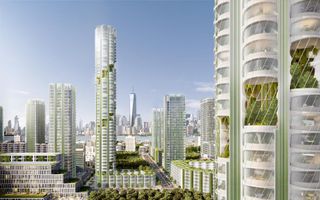
From the towering Quay Quarter Tower in Sydney to the serene March House along the River Thames, these projects exemplify sustainable architecture’s potential to redefine urban landscapes. The eco-friendly synagogue in Palo Alto and the Black & White Building in London showcase how traditional and contemporary designs can coexist harmoniously, pushing the boundaries of what’s possible.
Principles of Sustainability
Sustainable architecture is not just about aesthetics; it’s a commitment to the environment. Key principles include using locally sourced materials, minimizing energy consumption, and ensuring the longevity and adaptability of structures. The 2022 Obel Prize-winning carbon-neutral composite cement by Seratech is a testament to the innovative materials that are shaping the future of construction.
Innovative Projects
Projects like the Slot House in Utah and the Reference Center of Babassu Coconut Breakers in Brazil highlight the diverse applications of sustainable architecture. These buildings are designed to support local communities and reduce environmental footprints, embodying the ethos of sustainability.
Citizens House in London, supporting community through affordable housing.
Future-Proofing Our World
The journey toward sustainable architecture is ongoing, with each project serving as a beacon of what’s achievable when creativity meets ecological awareness. As we look to the future, these structures remind us that architecture can be both a shelter and a steward of the environment.
Conclusion
The original article from Wallpaper.com offers an in-depth exploration of these remarkable endeavors, highlighting the transformative power of sustainable architecture. It is a call to action for architects, designers, and communities to embrace sustainability as a core principle in building a better future.
More Articles
Getting licensed or staying ahead in your career can be a journey—but it doesn’t have to be overwhelming. Grab your favorite coffee or tea, take a moment to relax, and browse through our articles. Whether you’re just starting out or renewing your expertise, we’ve got tips, insights, and advice to keep you moving forward. Here’s to your success—one sip and one step at a time!
Seattle now holds the second‑highest office vacancy rate in the nation at 26.6%, with some downtown areas soaring past 35% and Pioneer Square reaching 50%. Mayor‑elect Katie Wilson steps into office with bold proposals—including a vacancy tax and office‑to‑housing conversions—amid tech pullbacks, shifting work habits, and investor uncertainty. Despite alarming numbers, signs of resilience remain, offering opportunities for savvy real estate professionals watching this market transform in real time.
Florida lawmakers are once again targeting the fast‑growing litigation‑financing industry with House Bill 1157, a proposal that would restrict how outside investors participate in lawsuits. The bill would limit funder influence, cap their share of settlements, and require new disclosures—especially for foreign‑backed financing. As similar measures emerge nationwide, the outcome could significantly impact professionals across law, insurance, finance, and real estate who depend on predictable risk and regulatory environments.
Starting April 1, Philadelphia homeowners and renters with federal flood insurance will see a 15% reduction in their premiums thanks to the city joining FEMA’s Community Rating System. The discount reflects Philadelphia’s growing investment in flood‑risk mitigation and is expected to save residents and businesses more than $424,000 annually. Beyond easing household expenses, the change also reshapes how real estate and insurance professionals evaluate flood‑zone properties, opening the door to improved affordability and stronger buyer confidence.
Newrez is doubling down on artificial intelligence with a strategic investment in Homevision, an advanced AI underwriting platform designed to automate collateral, income, assets, credit, and full loan decisioning. After seeing Homevision’s MIRA system boost collateral underwriting efficiency, Newrez plans to expand the technology in 2026—signaling a breakthrough year for real-time automated underwriting across the mortgage industry.
A new United Van Lines migration report reveals that Americans are trading big-city ambition for affordability, shorter commutes, and better quality of life—reshaping where and how commercial real estate will grow. Southern and smaller markets continue to attract new residents, but pandemic‑era assumptions of endless demand are fading as rent growth cools and new inventory floods the market. For investors and real estate professionals, the opportunity now lies in affordable housing, modest office parks, value‑focused retail, and support‑industrial spaces like self‑storage.
The 2026 housing market is finally shifting into balance, with economists forecasting rising home sales, improved affordability, and a more diverse buyer pool. Inventory is up, mortgage rates are easing, and demographic changes—from returning first-time buyers to dominant baby boomers—are reshaping demand. New construction is stabilizing, price growth is moderating, and millions of buyers could re-enter the market as rates fall toward 6 percent. For real estate professionals, this rebalanced environment offers fresh opportunities for growth, strategy, and education.