Tampa Becomes the Foreclosure Epicenter as Florida Leads the Nation in Housing Distress

House for sale

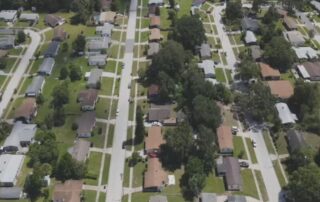
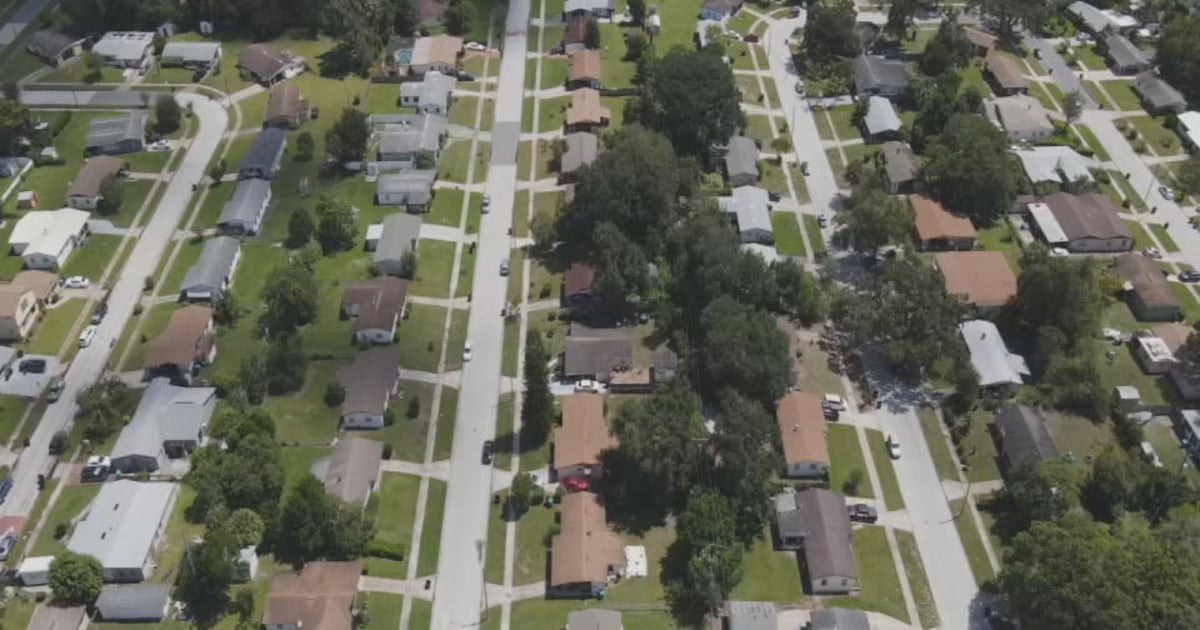
Tampa is making national headlines again—this time not for its growth, but for its surge in housing distress. As foreclosure rates continue rising across the country, Florida now tops the list as the hardest-hit state, and Tampa sits at the center of the storm. Rising insurance premiums, slipping home values and growing everyday expenses are all placing Floridians under unprecedented financial pressure.

The Numbers Behind the Spike

According to the October 2025 U.S. Foreclosure Market Report from ATTOM Data, the nation saw 36,766 foreclosure filings—up 3 percent from September and 19 percent year-over-year. Florida posted the highest foreclosure rate, with one in every 1,829 homes in distress.

But Tampa surpassed them all. With one in every 1,373 homes facing foreclosure, much of the spike is tied to Hillsborough County resuming data collection and clearing a backlog of filings.

Tap to See What’s Driving the Distress

• Declining home values leaving owners with little equity.

• Rising mortgage interest costs.

• Escalating insurance premiums statewide.

• HOA fees and daily expenses increasing rapidly.

Homeowners Caught in the Middle

Realtors throughout the region report the same unsettling trend: families who purchased between 2020 and 2023—during Tampa Bay’s real estate surge—are realizing that selling is no longer the easy escape they once assumed.

St. Petersburg realtor Mia Annibale notes that many owners would have to sell at roughly their original purchase price, while others would need to bring as much as $10,000 to closing to avoid a short sale.

“They’re negative. They can’t sell; they can’t afford the property,” she explains—revealing how quickly a tough financial position can turn into a foreclosure threat.

Housing Costs Still Rising

USF Economist Michael Snipes highlights that the strain extends beyond home prices. Everything tied to homeownership—interest rates, HOA fees, insurance premiums—continues climbing. For retirees and families on fixed incomes, even modest increases can trigger severe financial instability.

Interactive Insight: Who Feels the Impact Most?

• Retirees on fixed incomes

• First-time buyers who purchased at peak prices

• Owners with adjustable-rate mortgages

• Homeowners in high-insurance zones across Florida

A Market Normalizing—or Cracking?

Despite the surge, ATTOM CEO Rob Barber describes the trend as a “gradual normalization,” noting that foreclosure rates remain well below historic peaks. Several metros—including Milwaukee, Indianapolis and Washington D.C.—are even seeing declines.

Florida continues leading the country in foreclosure starts, followed by Texas and California. Analysts expect Tampa’s numbers to settle once Hillsborough’s backlog is cleared.

What This Means for Real Estate Professionals

For agents, mortgage professionals and newcomers, this evolving market presents both challenges and opportunities. Knowledge of foreclosure processes, market cycles and distressed-property strategies is becoming more valuable than ever—especially in a volatile state like Florida.

For those entering the industry or expanding credentials, Cameron Academy remains committed to supporting real estate, mortgage, insurance and financial professionals with licensing and continuing education tailored to today’s shifting market landscape.

Stay informed, stay licensed, and stay ahead.

Source: Original reporting from FOX 13 News and data from the ATTOM October 2025 U.S. Foreclosure Market Report. Full story at FOX 13 News.


More Articles

Getting licensed or staying ahead in your career can be a journey—but it doesn’t have to be overwhelming. Grab your favorite coffee or tea, take a moment to relax, and browse through our articles. Whether you’re just starting out or renewing your expertise, we’ve got tips, insights, and advice to keep you moving forward. Here’s to your success—one sip and one step at a time!

Florida Homeowners Finally Get Relief as Gov. DeSantis Announces Significant Insurance Premium Cuts

Florida homeowners — especially in hard‑hit South Florida — are set to see rare and substantial reductions in their property insurance premiums. Gov. Ron DeSantis announced an average statewide Citizens Insurance decrease of 8.7%, with even larger savings of up to 14% in counties like Miami-Dade, Broward, and Palm Beach. State officials credit recent legal and regulatory reforms for stabilizing the market, attracting new insurers, and delivering the first meaningful rate relief Floridians have seen in years.

Tampa’s Real Estate Market Enters a Smarter, More Selective Growth Phase

Tampa’s commercial real estate market isn’t slowing—it’s maturing. With strong population growth, rising office demand, a normalized industrial sector, resurgent retail, and an emerging health‑care real estate boom, investors are shifting from speed to strategy. Tighter underwriting, cautious capital and increased due‑diligence are shaping a more disciplined market, creating new opportunities for informed professionals.

Florida Slashes Home Insurance Rates: Biggest Drop in a Decade Sends Shockwaves Through the Market

Florida homeowners are finally seeing relief as Citizens Property Insurance announces a major 8.7% average rate decrease—far larger than originally proposed. Driven by legislative reforms, fewer lawsuits, and a calm hurricane season, the state’s once‑unstable insurance market is showing real signs of recovery. But with reduced coverage limits and shifting legal protections, experts warn that lower premiums may come with hidden trade‑offs.

Florida Homeowners Finally Get Insurance Relief After Years of Soaring Premiums

After a decade of rising premiums and retreating carriers, Florida homeowners are finally seeing long‑awaited relief. Dozens of insurers have filed for rate decreases—some as high as 11%—thanks to legislative reforms and a stabilizing market. Early approvals are already hitting counties across the state, and experts say the momentum could boost buyer confidence, affordability, and competition throughout Florida’s real estate and insurance sectors.

Self‑Storage Investing in 2026: A Market Thaw Opens the Door to Big Opportunities

After years of slowed activity caused by rising interest rates, the self‑storage industry is heating up again. New data from Marcus & Millichap shows a fresh market cycle emerging, driven by renewed buyer confidence, recalibrated pricing, and stronger lender participation. Acquisitions are rebounding, development is resetting in a healthier direction, and financing conditions are improving—creating one of the most promising investment landscapes the sector has seen in years.

Brookline’s Real Flood Risk: What FEMA’s New Maps Reveal—and What They Miss

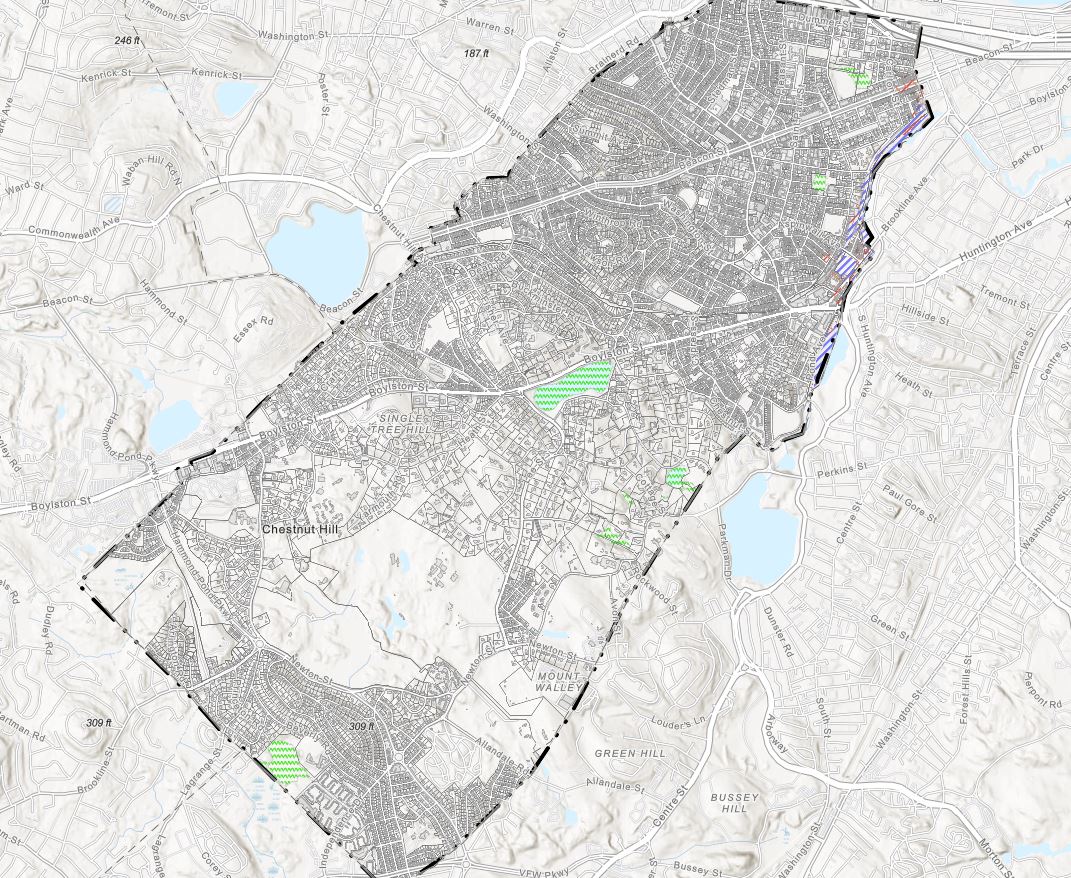
Brookline’s newly updated FEMA flood maps identify 97 high‑risk parcels, but local experts warn the true threat is far greater. While FEMA highlights river‑based flooding around Leverett Pond and the Muddy River, alternative models show more than 1,300 Brookline properties at risk within 30 years. Hidden vulnerabilities along major corridors like Beacon Street, rising rainfall intensity, aging infrastructure, and climate‑driven storm patterns suggest that many “low‑risk” areas may be anything but safe.