Tampa Becomes the Foreclosure Epicenter as Florida Leads the Nation in Housing Distress

House for sale

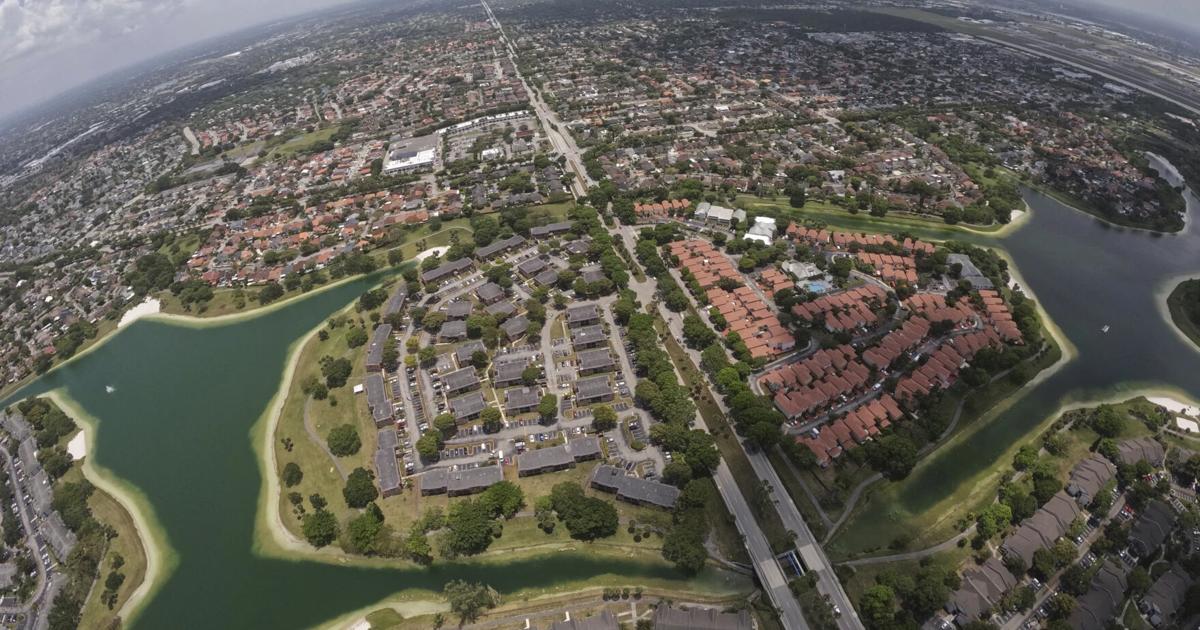
Tampa is making national headlines again—this time not for its growth, but for its surge in housing distress. As foreclosure rates continue rising across the country, Florida now tops the list as the hardest-hit state, and Tampa sits at the center of the storm. Rising insurance premiums, slipping home values and growing everyday expenses are all placing Floridians under unprecedented financial pressure.

The Numbers Behind the Spike

According to the October 2025 U.S. Foreclosure Market Report from ATTOM Data, the nation saw 36,766 foreclosure filings—up 3 percent from September and 19 percent year-over-year. Florida posted the highest foreclosure rate, with one in every 1,829 homes in distress.

But Tampa surpassed them all. With one in every 1,373 homes facing foreclosure, much of the spike is tied to Hillsborough County resuming data collection and clearing a backlog of filings.

Tap to See What’s Driving the Distress

• Declining home values leaving owners with little equity.

• Rising mortgage interest costs.

• Escalating insurance premiums statewide.

• HOA fees and daily expenses increasing rapidly.

Homeowners Caught in the Middle

Realtors throughout the region report the same unsettling trend: families who purchased between 2020 and 2023—during Tampa Bay’s real estate surge—are realizing that selling is no longer the easy escape they once assumed.

St. Petersburg realtor Mia Annibale notes that many owners would have to sell at roughly their original purchase price, while others would need to bring as much as $10,000 to closing to avoid a short sale.

“They’re negative. They can’t sell; they can’t afford the property,” she explains—revealing how quickly a tough financial position can turn into a foreclosure threat.

Housing Costs Still Rising

USF Economist Michael Snipes highlights that the strain extends beyond home prices. Everything tied to homeownership—interest rates, HOA fees, insurance premiums—continues climbing. For retirees and families on fixed incomes, even modest increases can trigger severe financial instability.

Interactive Insight: Who Feels the Impact Most?

• Retirees on fixed incomes

• First-time buyers who purchased at peak prices

• Owners with adjustable-rate mortgages

• Homeowners in high-insurance zones across Florida

A Market Normalizing—or Cracking?

Despite the surge, ATTOM CEO Rob Barber describes the trend as a “gradual normalization,” noting that foreclosure rates remain well below historic peaks. Several metros—including Milwaukee, Indianapolis and Washington D.C.—are even seeing declines.

Florida continues leading the country in foreclosure starts, followed by Texas and California. Analysts expect Tampa’s numbers to settle once Hillsborough’s backlog is cleared.

What This Means for Real Estate Professionals

For agents, mortgage professionals and newcomers, this evolving market presents both challenges and opportunities. Knowledge of foreclosure processes, market cycles and distressed-property strategies is becoming more valuable than ever—especially in a volatile state like Florida.

For those entering the industry or expanding credentials, Cameron Academy remains committed to supporting real estate, mortgage, insurance and financial professionals with licensing and continuing education tailored to today’s shifting market landscape.

Stay informed, stay licensed, and stay ahead.

Source: Original reporting from FOX 13 News and data from the ATTOM October 2025 U.S. Foreclosure Market Report. Full story at FOX 13 News.

More Articles

Getting licensed or staying ahead in your career can be a journey—but it doesn’t have to be overwhelming. Grab your favorite coffee or tea, take a moment to relax, and browse through our articles. Whether you’re just starting out or renewing your expertise, we’ve got tips, insights, and advice to keep you moving forward. Here’s to your success—one sip and one step at a time!

South Florida Housing Market Gains Momentum for 2026 as Mortgage Rates Decline

Lower interest rates, improving buyer confidence, and a resilient job market are setting the stage for a stronger South Florida real estate landscape in 2026. After a steadier‑than‑expected 2025, single‑family homes remain competitive, condos are stabilizing despite regulatory pressures, and commercial real estate continues to outperform national trends — giving industry professionals plenty to watch in the year ahead.

2026 Housing Market Outlook: Are We Finally Heading Toward Stability?

Economists across the housing industry are signaling that 2026 may finally bring a true market rebalance. With mortgage rates expected to ease, inventory slowly expanding and affordability showing its first real improvement in years, home sales could climb by 14% nationwide. Prices are projected to rise only modestly, builders are ramping up cautiously and shifting demographics are reshaping who’s buying—and what they’re looking for. For real estate and finance professionals, this more active and balanced landscape sets the stage for a strong year of opportunity.

Lower Interest Rates Spark New Optimism in South Florida’s 2026 Real Estate Market

South Florida enters 2026 with renewed confidence as easing mortgage rates, a solid job market, and stabilizing housing trends breathe life back into both single‑family and condo sectors. After an uneven 2025 marked by high costs and condo‑related challenges, lower borrowing rates are drawing buyers back, encouraging more homeowners to list, and positioning the region for a more balanced — though still competitive — year ahead.

Six Real Estate Trends Reshaping the U.S. Market in 2026

The U.S. real estate landscape is entering a defining year, driven by AI innovation, reimagined office spaces, immersive retail, and resilient industrial growth. Investors are becoming more selective, while ESG expectations are solidifying into essential standards for value and tenant demand. For professionals looking to stay competitive in 2026, understanding these shifts—and upskilling accordingly—will be key to navigating an industry rapidly transforming in real time.

Conforming Mortgage Credit Availability Plunges to Record Low as Lenders Tighten Standards

Conforming mortgage credit has dropped to its lowest level since the MBA began tracking it in 2011, signaling a major tightening in loan options as 2026 begins. December’s Mortgage Credit Availability Index fell 2.6%, driven by shrinking ARM offerings, fewer cash‑out refi programs, and stricter documentation requirements. With conforming loans seeing the sharpest decline—down 3.8%—both buyers and mortgage professionals face a more challenging lending landscape that demands stronger financial profiles and up‑to‑date industry knowledge.

Creative Strategies Are Finally Helping First-Time Buyers Break Into the 2026 Housing Market

A new NAR outlook shows that first-time buyers may finally be gaining traction in 2026 as rising inventory, easing rates, and creative financing strategies open long-awaited pathways into homeownership. From ARMs and government-backed loans to family support, grants, and co-buying, younger buyers are finding new ways to “make the math work.” Builders are also stepping in with incentives and expanded townhome construction, signaling a slow but meaningful shift toward improved affordability.