Tampa’s Real Estate Market Shifts Into a Smarter, More Selective Phase
Tampa’s commercial real estate landscape is still expanding, but the era of rapid-fire, instinct-driven decision making is transitioning into a more thoughtful, selective strategy. According to Lisa Jesmer, Florida Market Leader for Avison Young, investors are now honing in on long‑term value as the market matures.
“Tampa continues to attract people and businesses,” Jesmer said in an interview with TBBW. “What’s different now is how carefully deals are being evaluated.”
Overseeing Avison Young’s operations across Tampa, Orlando, Fort Lauderdale and Miami, Jesmer emphasizes that Tampa remains one of Florida’s most dynamic environments—even as investors slow down to scrutinize pricing, risk and performance.
Population Growth Still Drives Demand
With a projected 400,000 new residents expected in the Tampa region by 2030, demand for office, industrial, retail and health-care real estate remains elevated. Tampa is also one of the few Florida markets where office leasing continues to grow, defying national trends.
“Tampa checks a lot of boxes,” she said. “A diverse job base, lifestyle appeal, and continued in‑migration.”
For real estate professionals—new or seasoned—understanding these demographic insights is essential. Students at Cameron Academy often learn this on day one: population growth creates opportunity.
Industrial Activity Normalizes
Industrial real estate, which surged during the post‑Covid era, is returning to a more predictable pace. Jesmer notes this is not a slowdown—simply a return to normalcy.
Deals are still active, but underwriting has tightened and pricing is more precise.
Retail Foot Traffic Makes a Comeback
Retail is emerging stronger than many expected. Institutional investors are showing renewed interest as Tampa’s growing population increases retail demand and foot traffic.
Stabilized centers bring longer leasing terms, stronger credit tenants, and improved financing—making retail a rising favorite again.
Capital Takes a Cautious Approach
Although transaction volume is climbing, investors are performing deeper due diligence than ever before. Off‑market opportunities are rare, and on‑market deals undergo intense analysis, especially regarding insurance exposure and deferred maintenance.
“Buyers want to know exactly what they’re walking into,” Jesmer said. “Surprises are expensive right now.”
More court‑appointed and specialty sales are surfacing as loans mature—prime opportunities for well-prepared buyers.
Health Care Real Estate Takes Center Stage
Health care is expected to be one of Florida’s hottest commercial sectors in 2026. With both a growing and aging population, demand is rising for medical office buildings, outpatient facilities and hybrid retail‑health care spaces.
Tampa’s strong hospital networks make it a natural hub for this expansion.
“There’s a lot of land being acquired and repositioned for health-care use,” Jesmer explained. “That trend is just beginning.”
What This Means for Tampa
The next chapter for Tampa real estate focuses on precision over speed. Growth and opportunity remain abundant—but those who win will be the professionals who analyze the details and plan for long‑term performance.
“Tampa is moving from expansion to execution,” Jesmer said. “That’s a healthy place for a market to be.”
Stay Connected and Stay Informed
For more insights, analysis, and regional business intelligence, explore Tampa Bay Business & Wealth below:
Getting licensed or staying ahead in your career can be a journey—but it doesn’t have to be overwhelming. Grab your favorite coffee or tea, take a moment to relax, and browse through our articles. Whether you’re just starting out or renewing your expertise, we’ve got tips, insights, and advice to keep you moving forward. Here’s to your success—one sip and one step at a time!
The title insurance industry is entering 2026 with a renewed focus on technology, operational efficiency, and stronger agent support after years of volatility. Leaders from major underwriters report rising transaction activity, improved affordability, and a surge in automation and fraud‑prevention tools—signs that smarter systems and better training will define the next wave of growth.
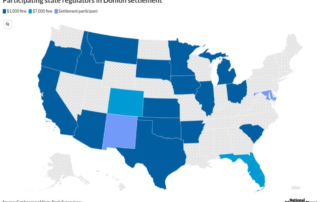
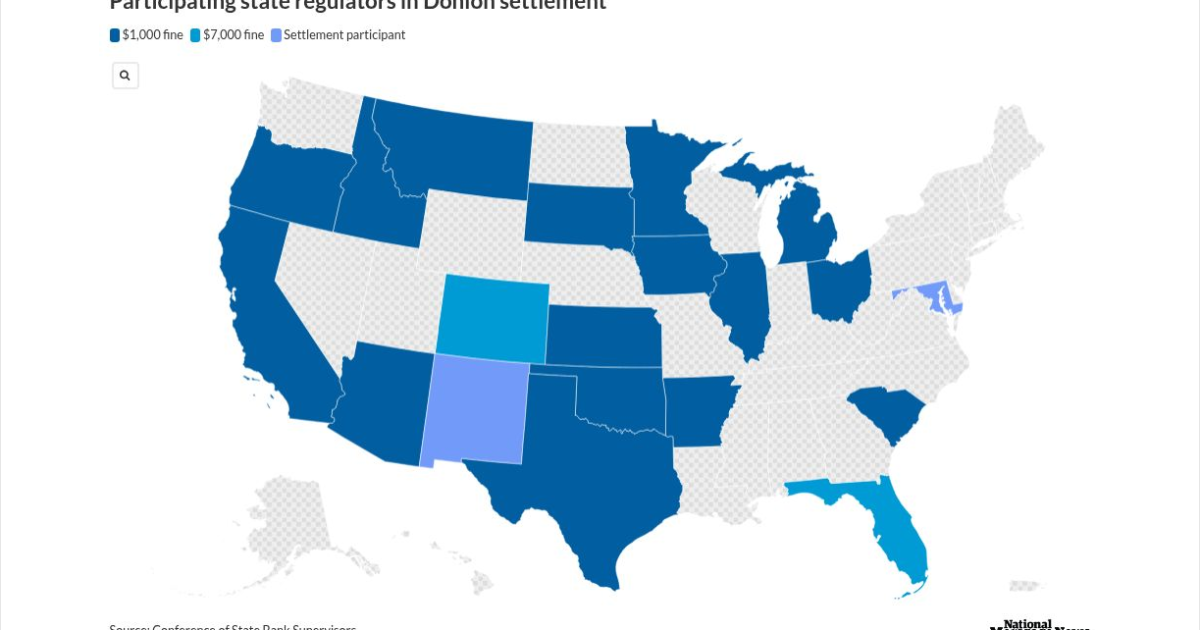
A multistate crackdown has sent shockwaves through the mortgage industry as Patrick Terrance Donlon, CEO of Trusted American Mortgage, accepted a sweeping settlement that bans him from working as a mortgage loan originator in 21 states—19 of them permanently. Regulators say Donlon had another individual complete his mandatory licensing and continuing‑education courses, a violation that triggered a coordinated investigation and a $31,000 penalty. The case underscores regulators’ growing intolerance for education fraud and serves as a sharp reminder to industry professionals: cutting corners on licensing can end careers.
Florida’s once‑booming housing market is cooling fast as rising insurance premiums, increasing foreclosures, and expanding flood zones push buyers to back out of deals and force sellers to cut prices. With insurance now adding thousands to annual housing costs, professionals across real estate, mortgage, and insurance are navigating a dramatically shifting landscape that’s redefining affordability in the Sunshine State.
Florida begins 2026 with a wave of more than 250 new laws now in effect, impacting healthcare, insurance, real estate, and consumer protections statewide. From free breast cancer screenings for state employees to tighter pet insurance regulations, mandatory healthcare refund rules, enhanced animal‑cruelty penalties, and new condo‑management requirements, these updates carry major implications for professionals navigating Florida’s evolving regulatory landscape.
Florida’s barrier islands may offer postcard-perfect beaches and soaring real estate demand, but they’re also some of the most fragile and costly places to build in the United States. With 765,000 residents living on land that shifts, sinks, and takes the brunt of every major hurricane, the financial and insurance risks are accelerating fast. From billion‑dollar beach rebuilds to towers settling into the sand, today’s coastal development challenges are reshaping conversations around property values, disclosure, and long‑term resilience. For real estate professionals, understanding these risks isn’t just smart — it’s becoming essential.
A Cedar City development is turning heads with its fresh approach to affordability. The team behind Temple View Commons is delivering luxury‑inspired twin homes at prices below the local median by using a small, hands‑on staff and cutting traditional costs like realtor commissions. In a tight Utah housing market where inventory is scarce and prices remain high, their strategy offers a realistic path to homeownership without sacrificing high‑end finishes.

 Title Insurance Leaders Double Down on Tech and Efficiency to Drive 2026 Market Momentum Gallery