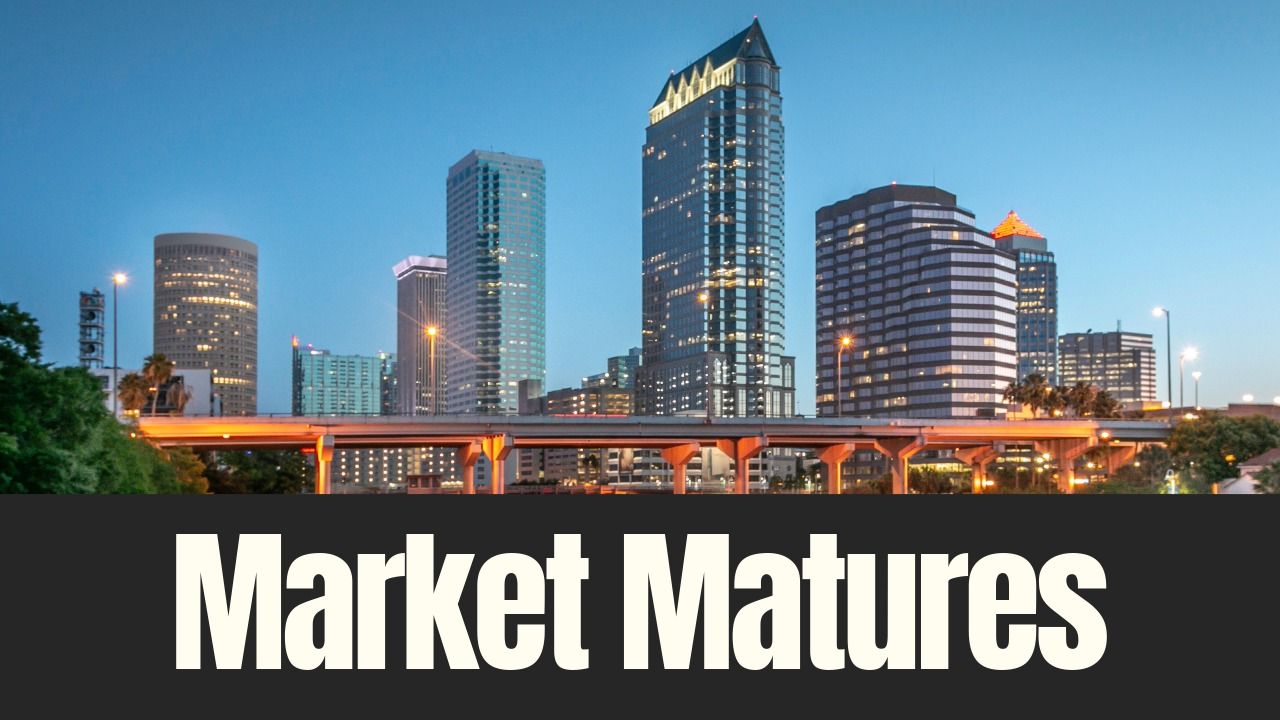
Tampa’s Real Estate Market Enters Its Selective Era
Tampa’s commercial real estate market hasn’t slowed—it’s matured. After years of rapid expansion, investors and tenants are now approaching deals with sharper scrutiny and disciplined strategy. According to Lisa Jesmer, Florida Market Leader for Avison Young, this shift isn’t a sign of weakness but a natural evolution into a more selective, intelligent phase of growth.
“Tampa continues to attract people and businesses,” Jesmer explained. “What’s different now is how carefully deals are being evaluated.”
Population Growth Keeps Demand Strong
Even with cautious capital, Tampa’s fundamentals remain powerful. The region is projected to welcome nearly 400,000 new residents by 2030—fueling long‑term demand for office, industrial, retail, and especially health care properties.
Office leasing continues to rise in Tampa, defying the stagnation seen in many other U.S. markets. “Tenant movement keeps buildings active and rents supported,” Jesmer noted.
Tap to Explore: Why Population Growth Matters
More residents mean more businesses, more consumers, stronger labor pools, and sustained real estate demand across every sector—from office to industrial to retail.
Industrial Activity Normalizes
Tampa’s industrial sector—fueled heavily by the post‑pandemic surge—is settling into historical norms. This isn’t pullback; it’s discipline. Investors remain active but more intentional, seeking smarter long‑term plays.
Retail Sees Renewed Strength
Retail is enjoying a revival. Foot traffic is rising, investor confidence is returning, and shopping centers are securing new tenant mixes driven by the region’s growing population and economic stability.
Tap to Reveal: What’s Fueling Retail’s Comeback?
Stronger consumer spending, evolving tenant strategies, improved financing structures, and renewed institutional interest are breathing life back into Florida retail.
Capital Becomes More Cautious
Deals are still happening, but the era of fast closings and generous underwriting is over. Investors now demand clarity on insurance exposure, deferred maintenance, and real long‑term costs before committing capital.
This environment has created a rise in court‑ordered and specialty sales—a unique opportunity for experienced buyers ready to navigate complexity.
Health Care Real Estate Takes Center Stage
As Florida’s population grows and ages, health care real estate has emerged as one of the most active sectors heading into 2026. Medical offices and outpatient facilities are increasingly being integrated into retail centers, providing landlords with stable, credit‑strong tenants.
“There’s a lot of land being acquired and repositioned for health care use,” Jesmer said. “That trend is just beginning.”
Tampa’s Next Phase: Execution Over Expansion
The city’s growth hasn’t slowed—it’s transformed. Jesmer characterizes Tampa’s next phase as strategic, not speculative.
“Tampa is moving from expansion to execution,” she said. “That’s a healthy place for a market to be.”
What This Means for Florida Real Estate Professionals
The evolving market rewards professionals who stay informed, educated, and adaptable. Whether you’re an agent, broker, investor, or manager, this selective era calls for deeper understanding of market cycles, underwriting, and regulatory changes.
Cameron Academy proudly supports professionals through Florida real estate licensing, continuing education, and career‑advancing programs that align with today’s smarter, more analytical market.
Smart markets reward smart professionals—now is the ideal moment to sharpen your credentials.
Explore the Source
Full story originally published by Tampa Bay Business & Wealth:
Getting licensed or staying ahead in your career can be a journey—but it doesn’t have to be overwhelming. Grab your favorite coffee or tea, take a moment to relax, and browse through our articles. Whether you’re just starting out or renewing your expertise, we’ve got tips, insights, and advice to keep you moving forward. Here’s to your success—one sip and one step at a time!
Cameron Academy is thrilled to offer the Free Annual Florida Real Estate Sales Associate 63-Hour Pre-License Course Livestream. This exclusive event is an opportunity for aspiring real estate professionals to gain expert instruction, access a comprehensive curriculum, and connect with a network of professionals in the industry. The course will be livestreamed from December 04-15, 2023, allowing you to participate from the comfort of your own home or office. Register now to secure your spot in this highly sought-after course. Spaces are limited, so early registration is highly recommended. Take the first step towards your real estate career today!
Coldwell Banker, a renowned real estate brand, has recently appointed Jason Waugh as the new president of Coldwell Banker Affiliates. In his new role, Waugh will be responsible for overseeing the brand's strategy, operations, and sales for its growing network of franchises. This appointment comes as Coldwell Banker aims to further strengthen its position in the real estate market. With an impressive background in the industry, Waugh brings a wealth of experience to his new position. Previously associated with Berkshire Hathaway HomeServices and Berkshire Hathaway Home Services Real Estate Professionals for 18 years, Waugh's expertise and leadership qualities make him an ideal fit for this role.
United Wholesale Mortgage (UWM), the country's leading lender, has increased its agency conforming loan limits to $750,000. This move, ahead of the Federal Housing Finance Agency's expected decision, applies to conventional and VA loans locked from October 11. The decision offers borrowers greater flexibility and access to larger loan amounts, with the benefits of conforming loans. These loans meet the guidelines set by government-sponsored enterprises like Fannie Mae and Freddie Mac, offering lower interest rates and more favorable terms compared to non-conforming or jumbo loans.
PNC Bank has implemented a cost-cutting strategy, leading to layoffs and a shift in focus towards expense management and strategic priorities. The bank aims to streamline operations, improve efficiency, and reallocate resources to align with long-term goals. Despite the layoffs, PNC Bank is committed to supporting affected employees during the transition period. Learn more about PNC Bank's strategy and its impact on the industry at Cameron Academy, a leading career education school.
Government-sponsored enterprise (GSE) loan buybacks have emerged as a significant issue for lenders in the mortgage market. The sudden increase in buybacks from entities like Fannie Mae and Freddie Mac is causing financial and operational strain among lenders. The rise in loan buybacks is largely due to stricter underwriting guidelines enforced by these GSEs. The impact of these buybacks is significant and far-reaching. Lenders not only face financial losses from repurchasing loans, but they also encounter operational challenges. The surge in loan buybacks has created uncertainty in the mortgage market, potentially slowing down the housing market. In response to the challenges posed by loan buybacks, lenders are implementing stricter underwriting practices and enhancing their quality control processes.
The housing market is currently witnessing an unusual trend - a deceleration in the growth of housing inventory, despite the rise in mortgage rates. This unexpected development has triggered concerns among potential buyers and industry experts. With mortgage rates climbing from their historic lows, the number of homes available for sale remains surprisingly stagnant. We investigate the factors contributing to this unexpected stagnation in inventory growth and examine the implications of rising mortgage rates, limited new listings, and an increase in price cuts. We also consider the impact of external elements such as labor reports and geopolitical risks on the housing market.