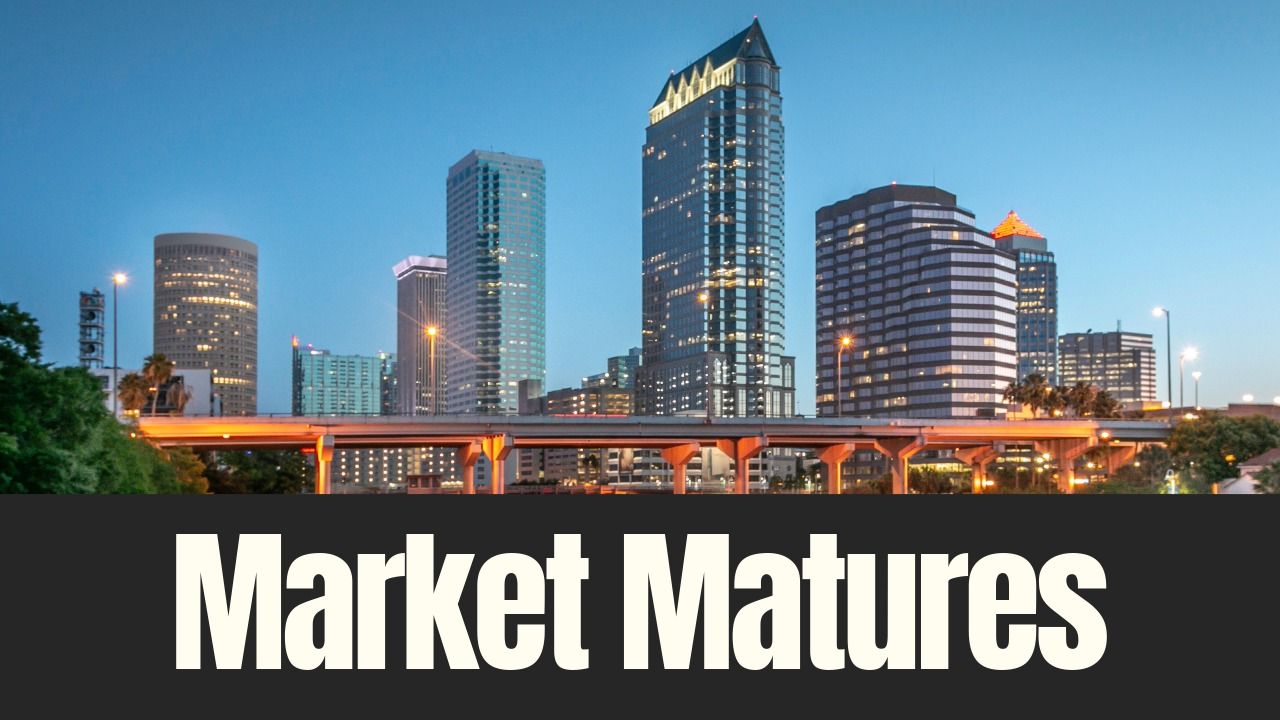
Tampa’s Real Estate Market Enters Its Selective Era
Tampa’s commercial real estate market hasn’t slowed—it’s matured. After years of rapid expansion, investors and tenants are now approaching deals with sharper scrutiny and disciplined strategy. According to Lisa Jesmer, Florida Market Leader for Avison Young, this shift isn’t a sign of weakness but a natural evolution into a more selective, intelligent phase of growth.
“Tampa continues to attract people and businesses,” Jesmer explained. “What’s different now is how carefully deals are being evaluated.”
Population Growth Keeps Demand Strong
Even with cautious capital, Tampa’s fundamentals remain powerful. The region is projected to welcome nearly 400,000 new residents by 2030—fueling long‑term demand for office, industrial, retail, and especially health care properties.
Office leasing continues to rise in Tampa, defying the stagnation seen in many other U.S. markets. “Tenant movement keeps buildings active and rents supported,” Jesmer noted.
Tap to Explore: Why Population Growth Matters
More residents mean more businesses, more consumers, stronger labor pools, and sustained real estate demand across every sector—from office to industrial to retail.
Industrial Activity Normalizes
Tampa’s industrial sector—fueled heavily by the post‑pandemic surge—is settling into historical norms. This isn’t pullback; it’s discipline. Investors remain active but more intentional, seeking smarter long‑term plays.
Retail Sees Renewed Strength
Retail is enjoying a revival. Foot traffic is rising, investor confidence is returning, and shopping centers are securing new tenant mixes driven by the region’s growing population and economic stability.
Tap to Reveal: What’s Fueling Retail’s Comeback?
Stronger consumer spending, evolving tenant strategies, improved financing structures, and renewed institutional interest are breathing life back into Florida retail.
Capital Becomes More Cautious
Deals are still happening, but the era of fast closings and generous underwriting is over. Investors now demand clarity on insurance exposure, deferred maintenance, and real long‑term costs before committing capital.
This environment has created a rise in court‑ordered and specialty sales—a unique opportunity for experienced buyers ready to navigate complexity.
Health Care Real Estate Takes Center Stage
As Florida’s population grows and ages, health care real estate has emerged as one of the most active sectors heading into 2026. Medical offices and outpatient facilities are increasingly being integrated into retail centers, providing landlords with stable, credit‑strong tenants.
“There’s a lot of land being acquired and repositioned for health care use,” Jesmer said. “That trend is just beginning.”
Tampa’s Next Phase: Execution Over Expansion
The city’s growth hasn’t slowed—it’s transformed. Jesmer characterizes Tampa’s next phase as strategic, not speculative.
“Tampa is moving from expansion to execution,” she said. “That’s a healthy place for a market to be.”
What This Means for Florida Real Estate Professionals
The evolving market rewards professionals who stay informed, educated, and adaptable. Whether you’re an agent, broker, investor, or manager, this selective era calls for deeper understanding of market cycles, underwriting, and regulatory changes.
Cameron Academy proudly supports professionals through Florida real estate licensing, continuing education, and career‑advancing programs that align with today’s smarter, more analytical market.
Smart markets reward smart professionals—now is the ideal moment to sharpen your credentials.
Explore the Source
Full story originally published by Tampa Bay Business & Wealth:
Getting licensed or staying ahead in your career can be a journey—but it doesn’t have to be overwhelming. Grab your favorite coffee or tea, take a moment to relax, and browse through our articles. Whether you’re just starting out or renewing your expertise, we’ve got tips, insights, and advice to keep you moving forward. Here’s to your success—one sip and one step at a time!
A federal judge has denied class‑certification in the high‑stakes Batton commission lawsuit, delivering a temporary win for NAR and major brokerages while leaving the door open for plaintiffs to try again. With as much as $3.6 billion in potential damages on the line and nearly 80% of the proposed class now disqualified due to conflicts with earlier settlements, the case stands at a pivotal moment. Real estate professionals nationwide — especially in Florida — should watch closely, as the ruling could shape the future of buyer‑agent compensation.
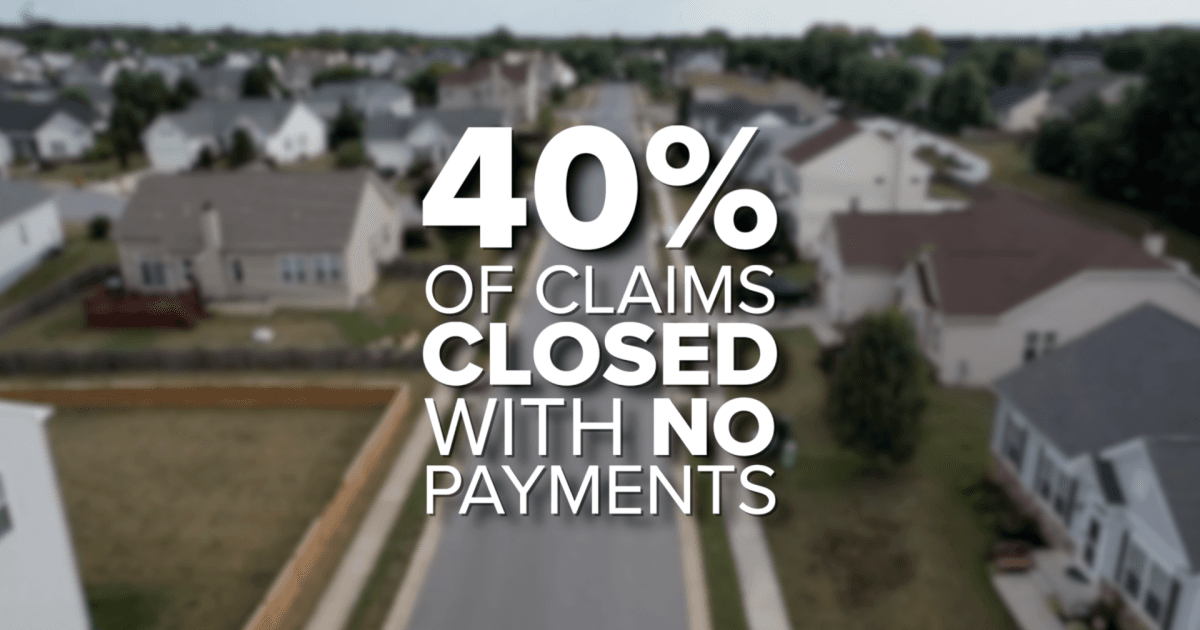
Florida homeowners are paying nearly double the national average for insurance, with premiums now reaching $5,838 a year and denied claims topping 40 percent. Residents report tripled rates, underpaid claims, and mounting financial strain, pushing lawmakers in Tallahassee to propose caps on rate hikes, tax breaks for storm‑proof upgrades, and tighter oversight of insurers. These developments are reshaping real estate and insurance conversations across the state as professionals brace for major industry shifts.
Berkshire County closed Q3 2025 with strong momentum as sales, dollar volume, and buyer competition all climbed year‑over‑year. Inventory showed slight improvement but remains far below demand, keeping the market tilted toward sellers. Single‑family homes and condos led the surge, while multifamily, land, and commercial sectors showed mixed performance. The region continues to stand out as one of New England’s most resilient real estate markets heading into 2026.
Florida homeowners now face the highest insurance burdens in the nation, with average premiums topping $5,800 per year—roughly $3,000 above the national average. As rates triple for some residents, more Floridians are skipping coverage altogether, while denied claims and slow payouts add to the frustration. With over 40 percent of claims closing with no payment and lawmakers battling over reform in Tallahassee, the crisis is reshaping budgets, homebuying decisions, and the real estate industry statewide.
Global capital is surging back into real estate—and this time, investors want more control. Colliers’ 2026 Global Investor Outlook reveals a major shift toward direct investments, joint ventures, and hands‑on strategies as money moves across North America, Europe, and the booming Asia‑Pacific markets. Data centers are now the top‑funded asset class, offices are staging a comeback, and adaptive reuse is reshaping cities worldwide. For real estate and finance professionals, the message is clear: opportunity is accelerating, and those with the right education and licensing will be at the center of the action.
The Fed’s recent rate cuts should have offered relief to commercial real estate—but long-term borrowing costs haven’t budged. While short‑term rates are falling, stubborn long‑term yields, broken deal math, and a trillion‑dollar refinancing wave are keeping the market frozen. For investors and professionals across Florida and the nation, understanding this disconnect is key to navigating the opportunities and risks emerging in today’s shifting CRE landscape.