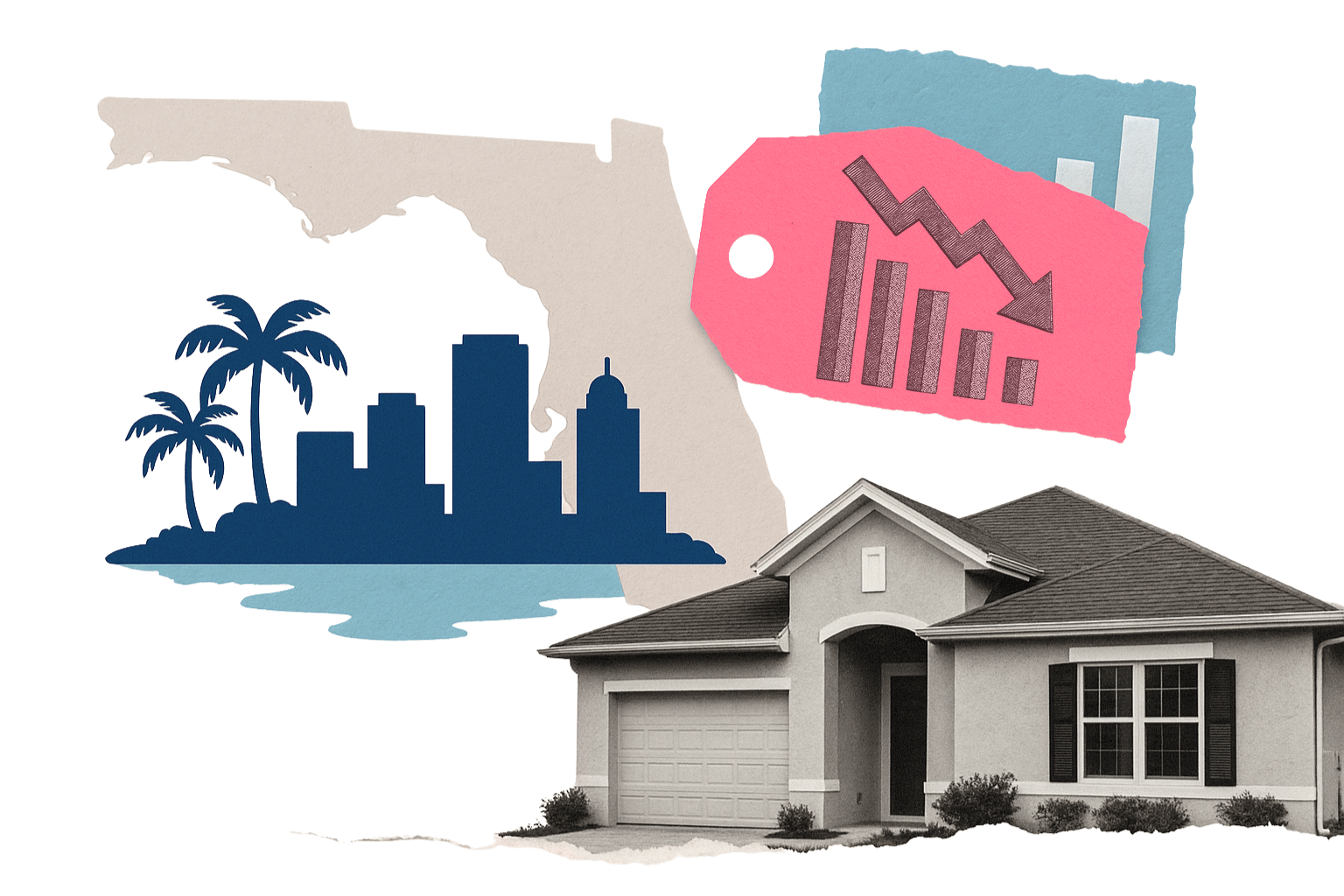
Tampa’s Real Estate Market Enters Its Selective Era
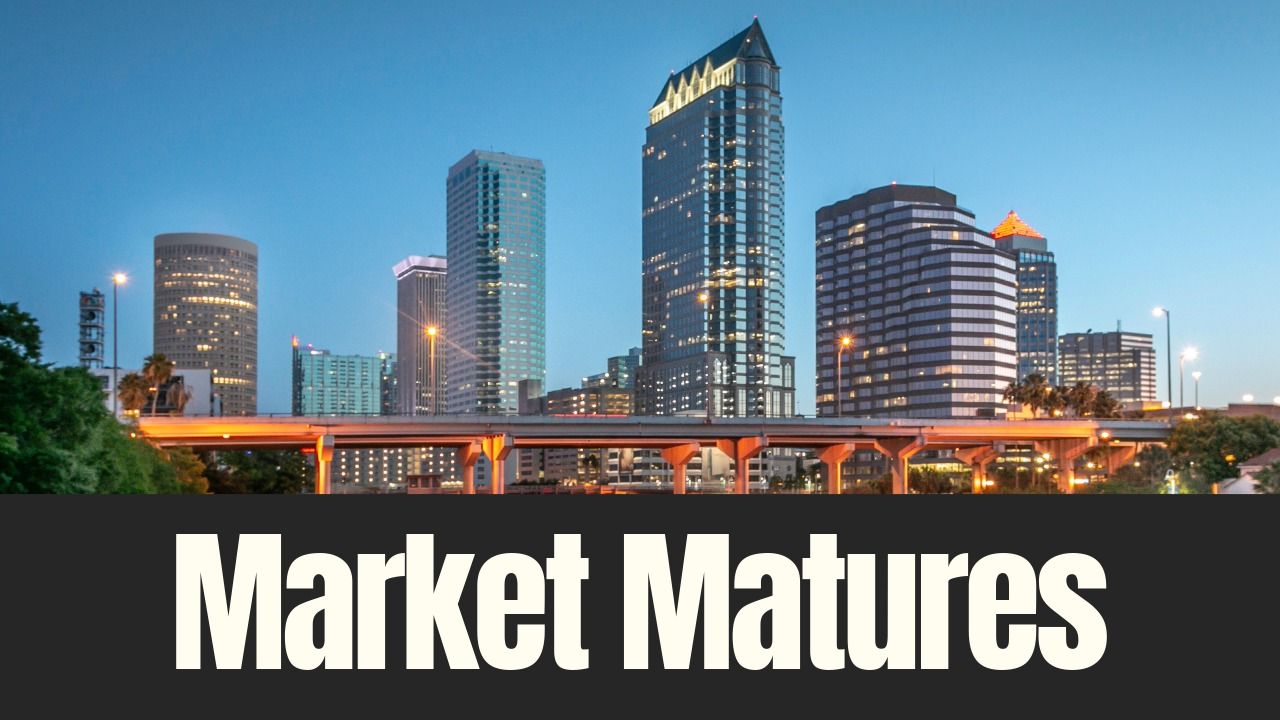
Tampa’s commercial real estate market hasn’t slowed—it’s matured. After years of rapid expansion, investors and tenants are now approaching deals with sharper scrutiny and disciplined strategy. According to Lisa Jesmer, Florida Market Leader for Avison Young, this shift isn’t a sign of weakness but a natural evolution into a more selective, intelligent phase of growth.
“Tampa continues to attract people and businesses,” Jesmer explained. “What’s different now is how carefully deals are being evaluated.”
Population Growth Keeps Demand Strong
Even with cautious capital, Tampa’s fundamentals remain powerful. The region is projected to welcome nearly 400,000 new residents by 2030—fueling long‑term demand for office, industrial, retail, and especially health care properties.
Office leasing continues to rise in Tampa, defying the stagnation seen in many other U.S. markets. “Tenant movement keeps buildings active and rents supported,” Jesmer noted.
Tap to Explore: Why Population Growth Matters
More residents mean more businesses, more consumers, stronger labor pools, and sustained real estate demand across every sector—from office to industrial to retail.
Industrial Activity Normalizes
Tampa’s industrial sector—fueled heavily by the post‑pandemic surge—is settling into historical norms. This isn’t pullback; it’s discipline. Investors remain active but more intentional, seeking smarter long‑term plays.
Retail Sees Renewed Strength
Retail is enjoying a revival. Foot traffic is rising, investor confidence is returning, and shopping centers are securing new tenant mixes driven by the region’s growing population and economic stability.
Tap to Reveal: What’s Fueling Retail’s Comeback?
Stronger consumer spending, evolving tenant strategies, improved financing structures, and renewed institutional interest are breathing life back into Florida retail.
Capital Becomes More Cautious
Deals are still happening, but the era of fast closings and generous underwriting is over. Investors now demand clarity on insurance exposure, deferred maintenance, and real long‑term costs before committing capital.
This environment has created a rise in court‑ordered and specialty sales—a unique opportunity for experienced buyers ready to navigate complexity.
Health Care Real Estate Takes Center Stage
As Florida’s population grows and ages, health care real estate has emerged as one of the most active sectors heading into 2026. Medical offices and outpatient facilities are increasingly being integrated into retail centers, providing landlords with stable, credit‑strong tenants.
“There’s a lot of land being acquired and repositioned for health care use,” Jesmer said. “That trend is just beginning.”
Tampa’s Next Phase: Execution Over Expansion
The city’s growth hasn’t slowed—it’s transformed. Jesmer characterizes Tampa’s next phase as strategic, not speculative.
“Tampa is moving from expansion to execution,” she said. “That’s a healthy place for a market to be.”
What This Means for Florida Real Estate Professionals
The evolving market rewards professionals who stay informed, educated, and adaptable. Whether you’re an agent, broker, investor, or manager, this selective era calls for deeper understanding of market cycles, underwriting, and regulatory changes.
Cameron Academy proudly supports professionals through Florida real estate licensing, continuing education, and career‑advancing programs that align with today’s smarter, more analytical market.
Smart markets reward smart professionals—now is the ideal moment to sharpen your credentials.
Explore the Source
Full story originally published by Tampa Bay Business & Wealth:
Getting licensed or staying ahead in your career can be a journey—but it doesn’t have to be overwhelming. Grab your favorite coffee or tea, take a moment to relax, and browse through our articles. Whether you’re just starting out or renewing your expertise, we’ve got tips, insights, and advice to keep you moving forward. Here’s to your success—one sip and one step at a time!
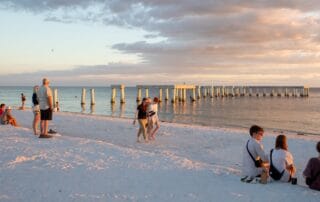
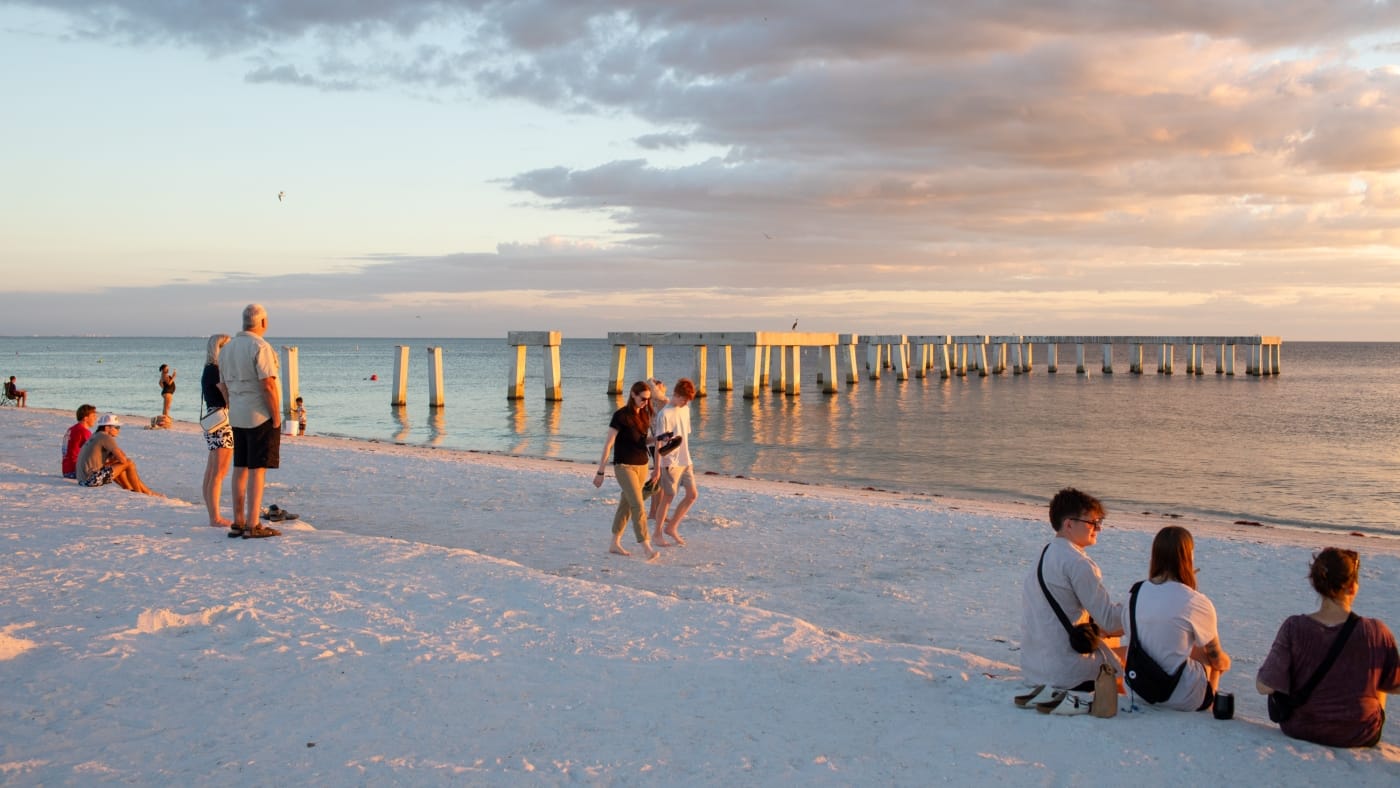
Fort Myers Beach is becoming the front line of a new Florida—one shaped by hurricane devastation, soaring insurance premiums, and rapid gentrification. Three years after Hurricane Ian, residents are still battling massive rebuilding costs and insurance bills that now exceed $5,700 a year on average, with flood insurance reaching $10,000 for some families. Long-time locals, small businesses, and service workers are being priced out as wealthy investors move in, transforming once-affordable coastal communities. Real estate professionals warn that foreclosures may rise if economic pressures continue, signaling a pivotal moment for Florida’s housing market and the professionals who serve it.
Economic uncertainty, AI disruption, slowing population growth, and rising portfolio risk are reshaping commercial real estate heading into 2026. A new report unveiled at NAR NXT highlights the forces that will reward informed professionals — and challenge those who aren’t prepared. From fiscal policy and shifting capital flows to tech transformation and housing shortages, the landscape is evolving fast. Cameron Academy breaks down the key issues so real estate, mortgage, finance, and insurance professionals can stay ahead of the curve.
A sudden federal shutdown of FEMA’s BRIC resiliency program has left cities and commercial property owners scrambling, exposing billions in real estate to rising climate threats. With nearly a billion dollars in mitigation funding clawed back and extreme weather intensifying, insurance premiums are expected to surge and coverage may shrink — placing new pressure on markets like Florida and New York.
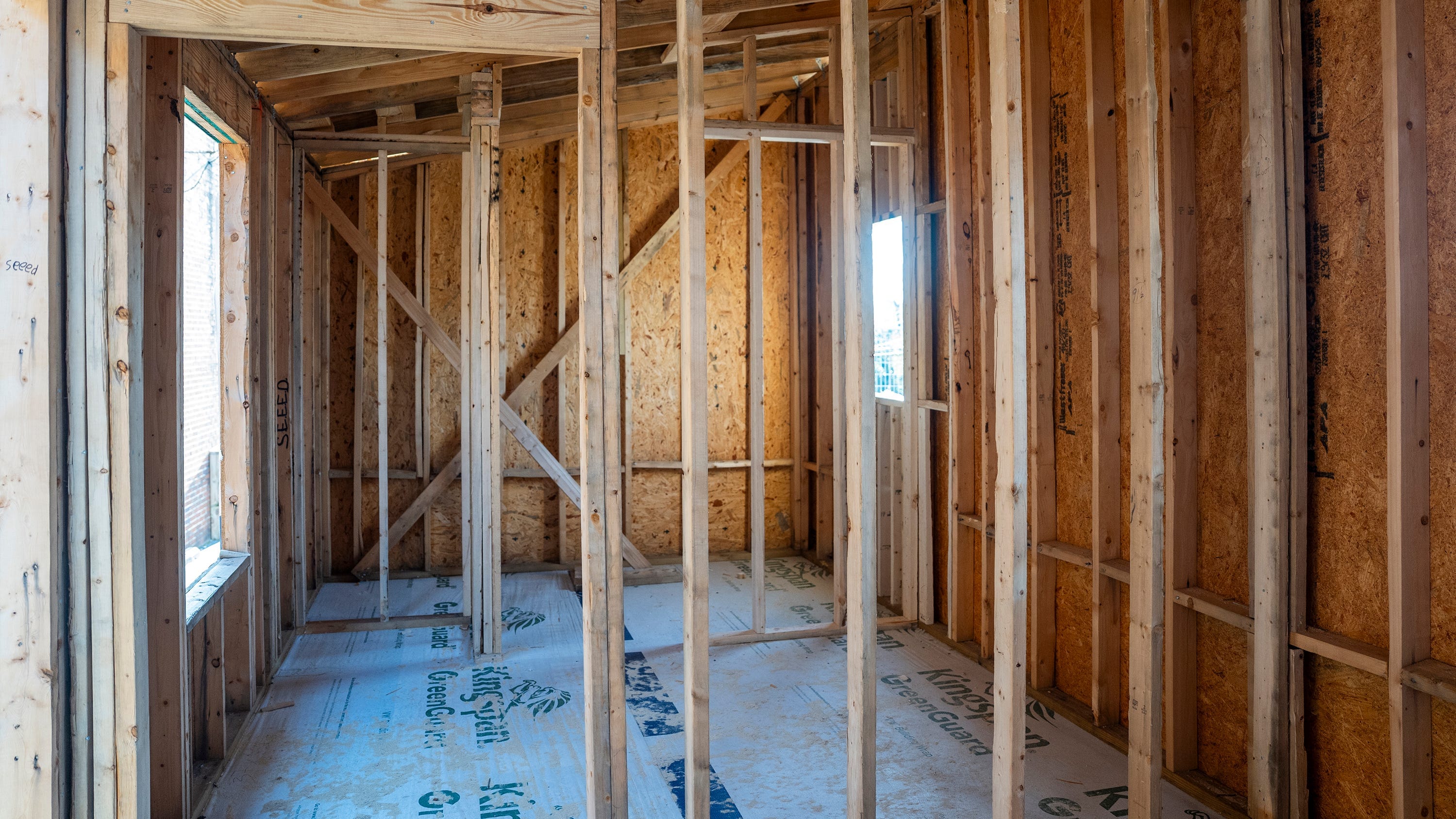
A new Florida Senate bill aims to stop cities and counties from blocking residential developments over vague “compatibility” concerns. Supporters say the measure would speed up homebuilding and ease housing shortages, while opponents argue it strips communities of essential oversight and could accelerate growth without proper planning. The proposal could reshape development timelines and land-use decisions statewide, making it a major issue for real estate professionals to watch.
Cape Coral–Fort Myers has officially moved into buyer-friendly territory, with homes now sitting a median 119 days on the market—far longer than both the Florida and U.S. averages. Rising inventory, a 36.9 percent price‑reduction rate, and slower absorption compared to accumulated supply are giving buyers more leverage and time to negotiate, signaling a meaningful reset in this once‑fast‑moving Florida market.
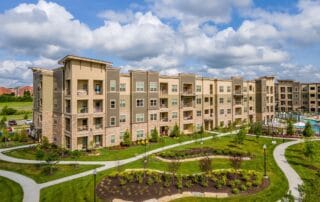
Kansas City’s commercial real estate sector is finally turning a corner after several years of sluggish activity. Retail is leading the rebound, while multifamily and industrial properties are gaining traction as pricing stabilizes and buyer confidence returns. A standout 2025 transaction—the sale of the 380‑unit Cyan Southcreek community—signals that capital is flowing back into the market. With bid‑ask spreads tightening and investor optimism rising, Kansas City is entering a period of renewed opportunity for real estate professionals and investors alike.

 Florida’s Middle Class Is Being Squeezed Out: Insurance Costs, Rebuilding Struggles, and a Changing Coastline Gallery