Tangent: Proptech Hits 100 Episodes and Goes Big With Airbnb’s Vision for the Future
In an industry where real estate, technology, and innovation collide at lightning speed, few platforms have captured the movement as consistently as Tangent: Proptech. Now celebrating its 100th episode, the influential podcast marks the milestone with an inside look at one of the most powerful disruptors in modern living: Airbnb.
Hosted by Proptech entrepreneur Edward Cohen and venture capitalists Jeffrey Berman and Zach Aarons, Tangent has been a go‑to hub for founders, investors, operators, and city‑shapers since 2020. Each episode digs into the tools and trends reshaping the built world—from climate tech to AI to the future of urban life.
A Milestone Episode Featuring Airbnb’s Eliza Lochner
For episode 100, the hosts sit down with Eliza Lochner, Marketing Leader for Airbnb’s Real Estate division, to unpack the platform’s evolving relationship with multifamily and condo communities. Their conversation explores Airbnb’s approach to short‑term hosting within professionally managed buildings and how flexible living is influencing owners, operators, and residents.
“Nearly half of renters in the U.S. spend more than 30% of their income on rent,” Lochner explains. “Hosting can be a way for renters to earn extra income while still giving property owners transparency and controls to help ensure compliance with local regulations.”
One major highlight: the explosive growth of Airbnb‑friendly apartments—from 175 buildings to nearly 1,300 nationwide. And surprisingly, this expansion wasn’t driven solely by Airbnb. Many multifamily and condo owners initiated the push, recognizing the value of controlled flexibility in their communities.
The Human Side of Hosting
Lochner emphasizes that most Airbnb hosts aren’t running commercial operations—they’re sharing their personal living spaces. As she notes:
“This is my home. My art is on the walls, my wine collection is here. I’m vetting guests because I live here too.”
This grounded perspective reflects a broader truth: modern residents crave flexibility, financial breathing room, and lifestyle autonomy. Airbnb is simply the platform enabling it.
Where Real Estate, Hospitality, and Technology Converge
The episode also highlights how short‑term rental tools are gaining traction with REITs and institutional investors. As flexible‑living models influence residential development and city planning, Airbnb continues to play a pivotal role in global events—like the World Cup—helping cities unlock new economic opportunities.
With past guests including Spencer Rascoff, Brendan Wallace, Steve Eisman, and Michael Rudin, Tangent: Proptech has earned a reputation as a trusted resource for innovators shaping the next generation of buildings, communities, and digital living.
Why This Matters for Real Estate Professionals
For today’s real estate professionals—especially in the rapidly shifting Florida market—understanding these trends is no longer optional. Tech‑driven property management, shifting tenant expectations, flexible leasing, and evolving regulations are reshaping what it means to succeed.
That’s where Cameron Academy remains a pivotal resource. Whether you’re launching your real estate career or leveling up your licensing and expertise, staying ahead of Proptech trends is essential for long‑term success in this dynamic landscape.
Getting licensed or staying ahead in your career can be a journey—but it doesn’t have to be overwhelming. Grab your favorite coffee or tea, take a moment to relax, and browse through our articles. Whether you’re just starting out or renewing your expertise, we’ve got tips, insights, and advice to keep you moving forward. Here’s to your success—one sip and one step at a time!
Tokenization has surged from crypto niche to global financial disruptor as institutions like Robinhood, BlackRock, and Coinbase race to digitize real-world assets. With pro‑crypto political momentum, shifting regulations, and private companies resisting newfound transparency, this emerging wave is transforming how investments are bought, sold, and accessed. For professionals in real estate, finance, lending, and insurance, this shift signals massive opportunity—and equally massive responsibility—as the next era of asset ownership takes shape.
Florida homeowners are finally getting relief as Citizens Property Insurance announces an average 8.7% statewide rate reduction for 2026, with South Florida seeing cuts as high as 14%. Driven by recent tort reforms and a stabilizing market, these decreases signal a major turnaround for an industry once on the brink of collapse — and a potential boost for real estate activity across the state.
After years of roller‑coaster chaos, the 2026 U.S. housing market is easing into something professionals haven’t seen in a long time: balance. Inventory growth has slowed to just 10% year over year—down sharply from 2025’s surge—signaling the end of the pandemic‑era scarcity and the rise of a market driven by real‑time demand and interest rates. With seasonal patterns returning, negotiations replacing bidding wars and rates drifting toward 6%, agents, lenders and investors are finally navigating conditions that look… normal.
More than half of Gen Z investors say they entered the stock market because of social media—not textbooks, not advisors. Viral creators, AI tools, and crypto trends are reshaping how young adults learn about money, invest early, and chase financial freedom. This Fortune‑featured shift highlights a generation determined to build wealth fast, trust digital voices over traditional institutions, and redefine financial education for the future.
After years of extremes, the U.S. housing market is shifting into a more balanced, predictable phase. Inventory growth has cooled from last year’s surge, seasonality is returning, and pricing is becoming increasingly rate‑sensitive. With mortgage rates hovering near 6% and policy changes reshaping investor participation, 2026 is emerging as a negotiation‑driven market where skilled agents, lenders, builders, and investors have a renewed advantage. This new landscape rewards strategy, education, and real‑time demand awareness—making it an ideal moment for professionals to refine their approach and capitalize on the market’s normalization.
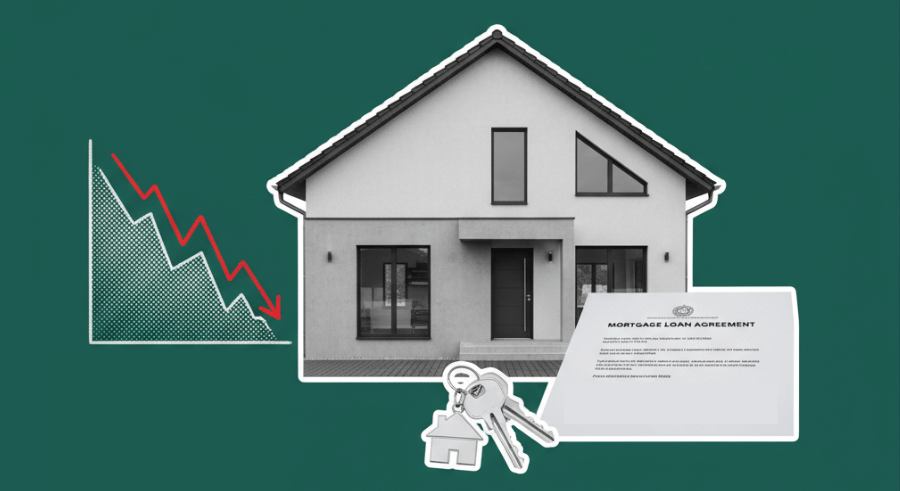
A sudden policy shift at the start of 2026 is already pushing mortgage rates lower, dipping them under 6% for the first time in months. New projections suggest the government-sponsored enterprises’ $200 billion in mortgage‑backed securities purchases could accelerate rate declines throughout the year, boosting affordability, home sales, and overall market activity for buyers, sellers, and real estate professionals alike.