Telehealth: A Boon for Patients, A Challenge for Rural Hospitals
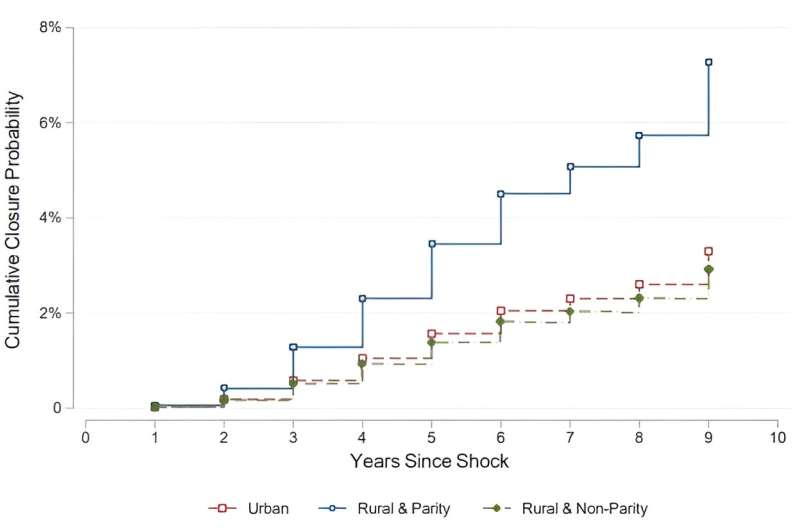
Telehealth offers convenience for rural patients — but at what cost? The advent of telehealth has revolutionized the way patients, particularly those in rural areas, access health care. By offering remote consultations and follow-up care, telehealth provides a convenient alternative to traveling long distances to urban hospitals. However, this technological advancement brings with it a set of challenges that could reshape the rural health care landscape.

A recent study by Zihan Ye from the University of Tennessee, alongside Kimberly Cornaggia from Penn State University and Xuelin Li from Columbia Business School, sheds light on the financial impacts of telehealth on rural hospitals. Their research, soon to be published in the Review of Financial Studies, reveals that while telehealth services enhance patient access to urban hospitals, they simultaneously drain resources from rural health care providers. This shift can lead to financial instability, increased leverage, and even bankruptcy for rural hospitals.

The study highlights a competitive imbalance, with urban hospitals benefiting from a larger patient base and the ability to charge higher fees. Conversely, rural hospitals, often unable to offer telehealth services, face dwindling patient numbers and diminished financial viability. The situation is exacerbated by disparities in insurance reimbursements, particularly from Medicare and Medicaid, which often fall short compared to private insurers.

Ye and her colleagues urge policymakers to consider the long-term effects of telehealth expansion, advocating for collaborative programs that allow rural hospitals to partake in the telehealth market’s benefits. Such measures could alleviate financial pressures and ensure continued access to health care for rural communities.

As communication technology continues to evolve, understanding its broader impacts remains crucial for a balanced and equitable health care system. For more insights, visit the original article on Medical Xpress.

References:

More Articles

Getting licensed or staying ahead in your career can be a journey—but it doesn’t have to be overwhelming. Grab your favorite coffee or tea, take a moment to relax, and browse through our articles. Whether you’re just starting out or renewing your expertise, we’ve got tips, insights, and advice to keep you moving forward. Here’s to your success—one sip and one step at a time!

Exploring Washington, D.C.’s Premier Real Estate Schools for 2025

In the bustling real estate market of Washington, D.C., aspiring agents are seeking the best education to jumpstart their careers. With its mix of historic charm and modern vibrancy, the capital city offers a unique landscape for real estate professionals. But where does one begin? The answer lies in choosing the right real estate school.

Trump Administration’s Surprise Funding Freeze: Exploring Its Implications

The Trump administration issued a memo late Monday night ordering a temporary freeze on funding for a wide array of federal programs, sending shockwaves through federal agencies and various organizations reliant on government support.

By |October 29, 2025|Categories: Article, Government Policy, Politics|Tags: , |0 Comments

Navigating 2026: Opportunities in Commercial Real Estate Amid Challenges

Despite the ongoing macroeconomic volatility and policy uncertainty that have clouded the global economic outlook, there are avenues for growth for those who can adeptly navigate these complexities.

Finding the Best Real Estate Schools in North Carolina for 2025

In North Carolina, where real estate agents are known as brokers, requires a rigorous 75-hour prelicensing education. This can be pursued online or in person through state-approved schools.

By |October 28, 2025|Categories: Article, Education, Real Estate|Tags: |0 Comments

What to Do If You Fail Your Series 63 Exam: Options and Next Steps

The Series 63 exam can be retaken an unlimited number of times, provided you adhere to the waiting periods set by the North American Securities Administrators Association (NASAA). After an initial failure, a 30-day waiting period is required before you can retake the exam. If you fail a second time, another 30-day wait is necessary. Upon failing three times or more, a longer waiting period of 180 days is enforced.

By |October 27, 2025|Categories: Article, Education, Finance|Tags: , |0 Comments

Fifth Circuit Dismisses CFPB’s Appeal: A Strategic Shift in Regulatory Focus

The U.S. Court of Appeals for the Fifth Circuit has dismissed the appeal by the Consumer Financial Protection Bureau (CFPB) regarding the vacated amendments to its Unfair, Deceptive, or Abusive Acts and Practices (UDAAP) Examination Manual. This decision, made on May 1, aligns with the CFPB’s newly outlined supervision and enforcement priorities for 2025, marking a pivotal shift in the Bureau's regulatory approach.