Telehealth: A Boon for Patients, A Challenge for Rural Hospitals
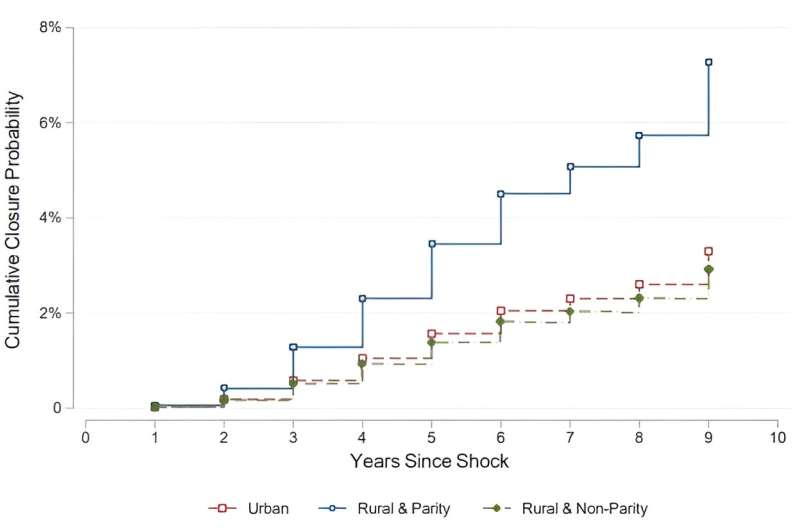
Telehealth offers convenience for rural patients — but at what cost? The advent of telehealth has revolutionized the way patients, particularly those in rural areas, access health care. By offering remote consultations and follow-up care, telehealth provides a convenient alternative to traveling long distances to urban hospitals. However, this technological advancement brings with it a set of challenges that could reshape the rural health care landscape.

A recent study by Zihan Ye from the University of Tennessee, alongside Kimberly Cornaggia from Penn State University and Xuelin Li from Columbia Business School, sheds light on the financial impacts of telehealth on rural hospitals. Their research, soon to be published in the Review of Financial Studies, reveals that while telehealth services enhance patient access to urban hospitals, they simultaneously drain resources from rural health care providers. This shift can lead to financial instability, increased leverage, and even bankruptcy for rural hospitals.

The study highlights a competitive imbalance, with urban hospitals benefiting from a larger patient base and the ability to charge higher fees. Conversely, rural hospitals, often unable to offer telehealth services, face dwindling patient numbers and diminished financial viability. The situation is exacerbated by disparities in insurance reimbursements, particularly from Medicare and Medicaid, which often fall short compared to private insurers.

Ye and her colleagues urge policymakers to consider the long-term effects of telehealth expansion, advocating for collaborative programs that allow rural hospitals to partake in the telehealth market’s benefits. Such measures could alleviate financial pressures and ensure continued access to health care for rural communities.

As communication technology continues to evolve, understanding its broader impacts remains crucial for a balanced and equitable health care system. For more insights, visit the original article on Medical Xpress.

References:

More Articles

Getting licensed or staying ahead in your career can be a journey—but it doesn’t have to be overwhelming. Grab your favorite coffee or tea, take a moment to relax, and browse through our articles. Whether you’re just starting out or renewing your expertise, we’ve got tips, insights, and advice to keep you moving forward. Here’s to your success—one sip and one step at a time!

SEC Unveils 2025 Priorities: Examining Private Fund Advisers, Reg BI, and Cybersecurity

The Securities and Exchange Commission (SEC), through its Division of Examinations, has unveiled its 2025 examination priorities, reflecting a comprehensive focus on areas such as private fund advisers, Regulation Best Interest (Reg BI) compliance, and cybersecurity.

By |October 7, 2025|Categories: Article, Finance, Regulatory Compliance|Tags: , |0 Comments

Empowering Realtors: A Toolkit for Fair Housing Advocacy

Realtor.com has taken a proactive stance by providing a comprehensive toolkit designed to empower agents with the knowledge and resources necessary to navigate fair housing practices effectively.

UNC-Chapel Hill Graduate Programs Shine in National Rankings

The University of North Carolina at Chapel Hill continues to solidify its reputation for excellence in graduate education, as evidenced by the recent U.S. News & World Report's 2025 "Best Graduate Schools" list.

Evolving Shopping Trends: The Dynamic Interplay Between Online and In-Store Experiences

As we venture further into 2025, the landscape of shopping continues to evolve with a fascinating dynamic between online and in-store experiences. According to a recent article from Business.com, the retail sector is witnessing a significant shift in consumer preferences, with approximately 59% of consumers favoring online shopping while 41% still prefer traditional in-store purchases.

By |September 10, 2025|Categories: Article, E-commerce, Retail|Tags: , |0 Comments

CMS Implements First Major Updates to Lab Personnel Requirements in Over 30 Years

On December 28, 2024, the Centers for Medicare & Medicaid Services (CMS) enacted a long-anticipated final rule that significantly revises laboratory personnel requirements under Subpart M of the Clinical Laboratory Improvement Amendments (CLIA). This marks the first major overhaul since 1992, impacting all clinical laboratory personnel engaged in moderate- or high-complexity laboratory tests.