Texas Investors Saddle Up and Ride Into San Francisco’s Real Estate Bargain Boom

Texas-themed illustration

San Francisco’s commercial real estate market has a new sheriff in town—and they’re wearing cowboy boots. Investors from Texas are riding into downtown properties, snapping up buildings at prices the city hasn’t witnessed in decades. From Union Square to California Street, Lone Star capital is giving new life to a market many thought was on life support.

One of the most talked‑about grabs is the seven‑story One Union Square building at Geary and Stockton, which recently slipped into foreclosure. The Standard reports that Texans have been among the most enthusiastic bidders eyeing distressed assets across the district.

Lone Star Funds Rides Into Town

Texas-based Lone Star Funds has quietly emerged as the likely buyer for the 360,000‑square‑foot tower at 600 California Street—formerly a flagship WeWork location. Though the Dallas investment group remains tight‑lipped, industry insiders claim a deal is fast approaching. More details surfaced from BizJournals.

Related Market Moves

Other major players are saddling up as well—from bidders circling the long‑struggling Oceanwide Center to Goodwill of Silicon Valley stepping unexpectedly into office‑landlord territory. Check out these stories:

Downtown’s $1.6B ‘money pit’ is close to getting scooped up

Your favorite thrift store just became a San Jose office landlord

This arts nonprofit lost venues—so it opened its own

Why Everyone Suddenly Wants SF Again

According to Derek Daniels, research director at Colliers, San Francisco’s “boom loop” recovery narrative is gaining traction. Outside investors—especially from Texas—see a city poised for a rebound rather than another slide.

He credits Mayor Daniel Lurie for helping restore investor confidence by amplifying the city’s recovery story nationwide. And confidence, as we know, is worth its weight in gold—or in this case, square footage.

Union Square: The Comeback Kid

Kelly Glass, principal at Avison Young, says out‑of‑state investors are increasingly energized by new leasing momentum throughout Union Square. “There’s a new investor pool focused on the area,” she shared. “Whenever I speak to them, they’re like, ‘Oh, you’re getting us excited,’ because the volume is there.”

That excitement is matched by investors not only from Texas, but New York, Alaska, and Southern California. Uris Acquisitions—rooted deeply in NY real estate—has scooped up three Powell Street buildings since May alone.

Have We Hit the Bottom?

Lacie Ravina, vice president at Colliers, believes the answer is clear: yes. “I think it signifies that we’ve bottomed out, and investors have realized that it’s time to acquire buildings at historic lows,” she explained. With inquiries pouring in and momentum building, she expects the trend to continue well into next year.

For real estate professionals—whether working in California, Texas, or right here in Florida—this moment is a reminder that market cycles always turn. And for students strengthening their skills or adding new licenses, programs through Cameron Academy help professionals stay competitive as markets shift nationwide.

Source reporting courtesy of The San Francisco Standard.

More Articles

Getting licensed or staying ahead in your career can be a journey—but it doesn’t have to be overwhelming. Grab your favorite coffee or tea, take a moment to relax, and browse through our articles. Whether you’re just starting out or renewing your expertise, we’ve got tips, insights, and advice to keep you moving forward. Here’s to your success—one sip and one step at a time!

The Great Housing Reset: What Redfin Predicts for 2026

Redfin forecasts a slow but meaningful return to normalcy in the U.S. housing market starting in 2026. Instead of a crash or a rapid correction, the year marks the beginning of a “Great Housing Reset” where affordability gradually improves, mortgage rates ease into the low‑6% range, home sales tick upward, and renters, buyers, and professionals finally feel less market pressure. From wage growth outpacing home prices to rising refi activity and the rise of AI‑powered real estate tools, 2026 is shaping up to be a foundational year for real estate careers and long‑term market stability.

Climate Disasters Are Outpacing Insurance Uptake as the Global Protection Gap Nears Crisis Levels

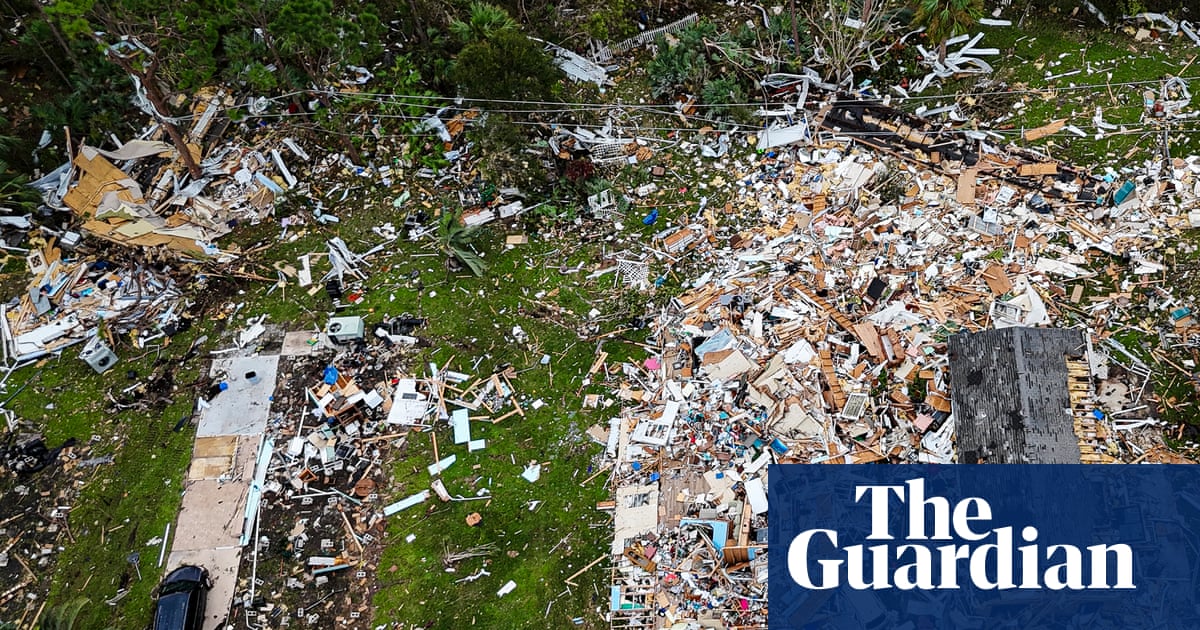
Hurricane Melissa’s destruction in Jamaica highlights a growing global reality: climate risks are accelerating faster than insurance adoption. With more than 90% of disaster losses in developing regions going uninsured and a worldwide protection gap exceeding $1.8 trillion annually, experts warn that traditional insurance systems can no longer keep up. New models—like parametric payouts, community‑based aggregation and bundled climate tools—are emerging, but governments and corporations must step in to prevent financial shocks from destabilizing entire economies.

AI-Powered Excavators? Gravis Robotics Secures $23M to Tackle Construction’s Growing Labor Crisis

Gravis Robotics, a Zurich-based startup, just raised $23 million to bring autonomous tech to construction sites facing a massive operator shortage. As demand surges for renewable energy projects, data centers, and new housing, Gravis retrofits traditional heavy machinery with AI-driven systems that can work autonomously or via remote guidance. With trials already underway across seven countries, the company is pushing a future where humans and robots collaborate — speeding up development timelines and reshaping industries from construction to real estate.

Zillow Drops Climate Risk Scores—What It Means for Agents, Buyers, and the Future of Real Estate

Zillow has quietly removed its climate‑risk scores after months of pressure from agents, homeowners, and listing services who said the warnings were scaring off buyers. The move has sparked a national debate: Is this a win for real estate sales or a setback for consumer transparency? Critics warn that without clear climate‑risk data, families could be “flying blind” into costly surprises like insurance spikes and flood damage. As climate impacts intensify and disclosure expectations rise, real estate professionals must stay informed—because whether Zillow shows the data or not, the risks aren’t going anywhere.

Florida’s Property Insurance Battle Heats Up as 2026 Approaches

Florida’s property insurance crisis is becoming the defining issue heading into the 2026 election season. Republicans argue that recent reforms are finally stabilizing the market, pointing to reduced litigation and cooling reinsurance costs. Democrats counter that families are still facing unbearable premiums, with condo prices dropping over 8% and Floridians paying some of the highest insurance rates in the nation. As lawmakers prepare to return to Tallahassee, the future of insurance reform is set to become the central political fight—one that will directly impact homeowners, investors, and real estate professionals across the state.

The Invisible Backbone Transforming Modern Real Estate

Connectivity has become one of the most powerful differentiators in today’s real estate market. As smart buildings, automation, and sustainability demands accelerate, fiber networks are replacing outdated copper systems and reshaping property value. With lower energy use, unified smart‑building capabilities, reduced long‑term costs, and stronger tenant satisfaction, digital infrastructure is now central to investment strategy. Real estate professionals who understand this shift gain a competitive edge as the industry moves toward cleaner, smarter, more connected buildings.