Texas Investors Saddle Up and Ride Into San Francisco’s Real Estate Bargain Boom

Texas-themed illustration

San Francisco’s commercial real estate market has a new sheriff in town—and they’re wearing cowboy boots. Investors from Texas are riding into downtown properties, snapping up buildings at prices the city hasn’t witnessed in decades. From Union Square to California Street, Lone Star capital is giving new life to a market many thought was on life support.

One of the most talked‑about grabs is the seven‑story One Union Square building at Geary and Stockton, which recently slipped into foreclosure. The Standard reports that Texans have been among the most enthusiastic bidders eyeing distressed assets across the district.

Lone Star Funds Rides Into Town

Texas-based Lone Star Funds has quietly emerged as the likely buyer for the 360,000‑square‑foot tower at 600 California Street—formerly a flagship WeWork location. Though the Dallas investment group remains tight‑lipped, industry insiders claim a deal is fast approaching. More details surfaced from BizJournals.

Related Market Moves

Other major players are saddling up as well—from bidders circling the long‑struggling Oceanwide Center to Goodwill of Silicon Valley stepping unexpectedly into office‑landlord territory. Check out these stories:

Downtown’s $1.6B ‘money pit’ is close to getting scooped up

Your favorite thrift store just became a San Jose office landlord

This arts nonprofit lost venues—so it opened its own

Why Everyone Suddenly Wants SF Again

According to Derek Daniels, research director at Colliers, San Francisco’s “boom loop” recovery narrative is gaining traction. Outside investors—especially from Texas—see a city poised for a rebound rather than another slide.

He credits Mayor Daniel Lurie for helping restore investor confidence by amplifying the city’s recovery story nationwide. And confidence, as we know, is worth its weight in gold—or in this case, square footage.

Union Square: The Comeback Kid

Kelly Glass, principal at Avison Young, says out‑of‑state investors are increasingly energized by new leasing momentum throughout Union Square. “There’s a new investor pool focused on the area,” she shared. “Whenever I speak to them, they’re like, ‘Oh, you’re getting us excited,’ because the volume is there.”

That excitement is matched by investors not only from Texas, but New York, Alaska, and Southern California. Uris Acquisitions—rooted deeply in NY real estate—has scooped up three Powell Street buildings since May alone.

Have We Hit the Bottom?

Lacie Ravina, vice president at Colliers, believes the answer is clear: yes. “I think it signifies that we’ve bottomed out, and investors have realized that it’s time to acquire buildings at historic lows,” she explained. With inquiries pouring in and momentum building, she expects the trend to continue well into next year.

For real estate professionals—whether working in California, Texas, or right here in Florida—this moment is a reminder that market cycles always turn. And for students strengthening their skills or adding new licenses, programs through Cameron Academy help professionals stay competitive as markets shift nationwide.

Source reporting courtesy of The San Francisco Standard.

More Articles

Getting licensed or staying ahead in your career can be a journey—but it doesn’t have to be overwhelming. Grab your favorite coffee or tea, take a moment to relax, and browse through our articles. Whether you’re just starting out or renewing your expertise, we’ve got tips, insights, and advice to keep you moving forward. Here’s to your success—one sip and one step at a time!

Los Alamitos at a Breaking Point After 18 Racehorse Deaths Spur Emergency Safety Demands

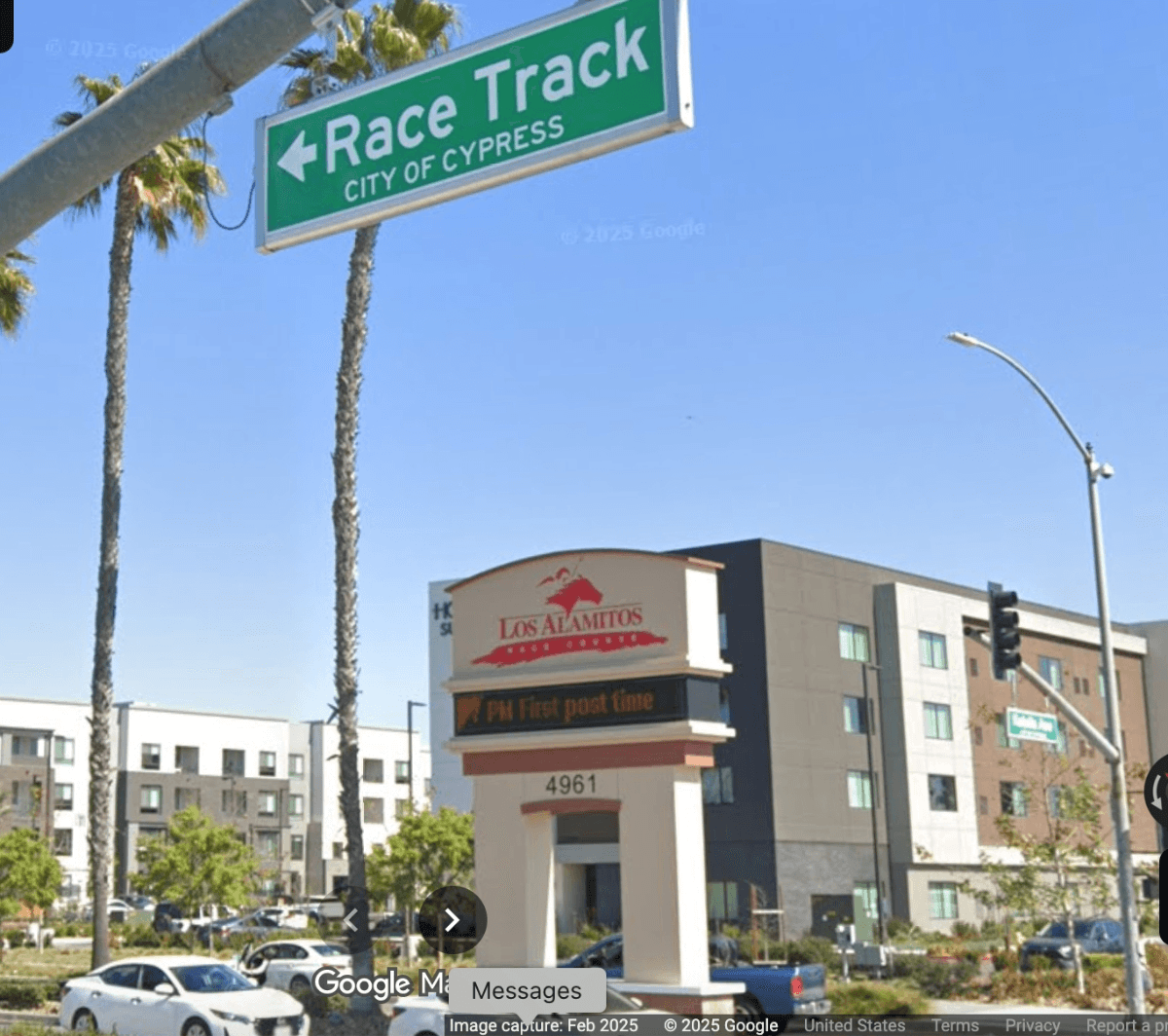
Los Alamitos Race Course is facing its most serious crisis in years after 18 horses died in 2025, prompting regulators to warn the track that its racing license is at risk without immediate safety reforms. Following three catastrophic injuries in a single day, the California Horse Racing Board has ordered urgent changes—including more veterinarians, stricter medication rules, and enhanced on‑track medical support—as pressure mounts for stronger oversight in a sport already under national scrutiny.

Why Canadian Investors Are Flooding U.S. Real Estate Despite Tariffs and Tensions

Canadian investors have poured more than US$5.8 billion into U.S. commercial real estate this year, making the U.S. their top destination even amid a lingering tariff dispute. Tight inventory in Canada and greater deal availability south of the border are driving the trend, with data centers and industrial properties emerging as the hottest targets for 2025.

Florida’s Insurance Chief Warns Homeowners: Most Don’t Understand Their Policies

Florida’s insurance commissioner says even industry pros struggle to read today’s 150‑page homeowners policies—leaving residents shocked when hurricane claims are denied. With rising premiums, high replacement costs, and widespread confusion over exclusions like flood and water damage, the state is pushing for simpler, clearer policy language so homeowners know what they’re actually covered for before the next storm hits.

Post‑Election Power Plays: How Major U.S. Cities Are Quietly Redrawing the Real Estate Map

Following the 2025 elections, major metros like New York, Chicago, Miami, Los Angeles, and Boston are implementing policy shifts that could reshape property values, rental income, development timelines, and investment strategy heading into 2026. From New York’s push toward aggressive rent reform to Chicago’s sustainability mandates and Miami’s uncertain mayoral runoff, these changes signal a new era where local politics increasingly dictate market performance. This breakdown highlights the biggest post‑election real estate pivots and what they mean for investors, agents, and finance professionals preparing for a rapidly evolving landscape.

Florida Insurance Boss Drops a Truth Bomb: Most Homeowners Have No Idea What They’re Actually Covered For

Florida’s Insurance Commissioner is sounding the alarm after thousands of homeowners discovered—only after hurricanes Helene and Milton—that the coverage they thought they had didn’t exist. With nearly 150,000 unpaid claims tied to misunderstood flood exclusions, water‑damage caps, and buried policy clauses, state leaders are pushing to simplify the dense, confusing documents most Floridians never read. As insurance costs remain one of the state’s top concerns, this growing complexity is creating a massive opportunity for real estate, mortgage, and insurance professionals to guide consumers before disaster strikes.

Florida’s Insurance “Fixes” Backfire as Homeowners Face Higher Costs and Riskier Insurers

Florida’s insurance market is reliving an old crisis under a new name. Despite reforms meant to stabilize the system, homeowners are being forced out of Citizens and into pricier policies from small insurers with shaky financial histories. Companies tied to past insolvencies are returning with fresh branding, while highly rated carriers continue to deny a majority of claims. With political influence muddying regulation and climate risks rising, experts warn that only a full structural overhaul—not cosmetic reforms—can restore confidence for homeowners, agents, and the entire real estate market.