The 20 Fastest Growing Cities in the US: A Closer Look
In a rapidly evolving landscape, the United States is witnessing unprecedented growth in certain metropolitan areas. The latest report from Exploding Topics delves into the top 20 fastest-growing cities and metros across the nation, revealing intriguing trends and factors driving this expansion.
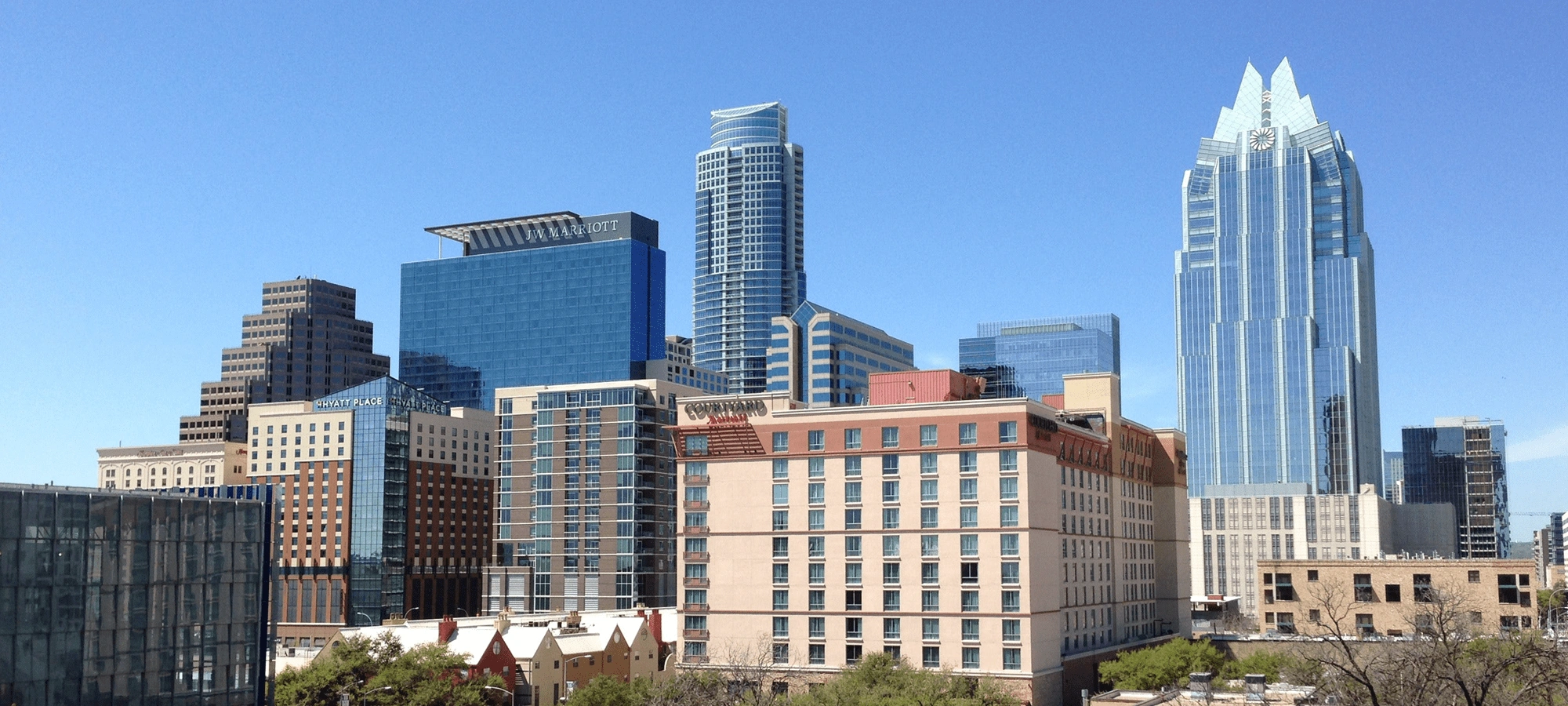
Austin, Texas: The Lone Star Leader
Austin, Texas, has emerged as the fastest-growing metro area in the United States. With a current metro population of 2,473,275 and a growth rate of 25.84%, Austin is becoming a hub of diversity and innovation. The city’s thriving tech scene, bolstered by major players like Apple and Tesla, has attracted a wave of new residents. The University of Texas at Austin also plays a pivotal role in fostering a vibrant, youthful community.
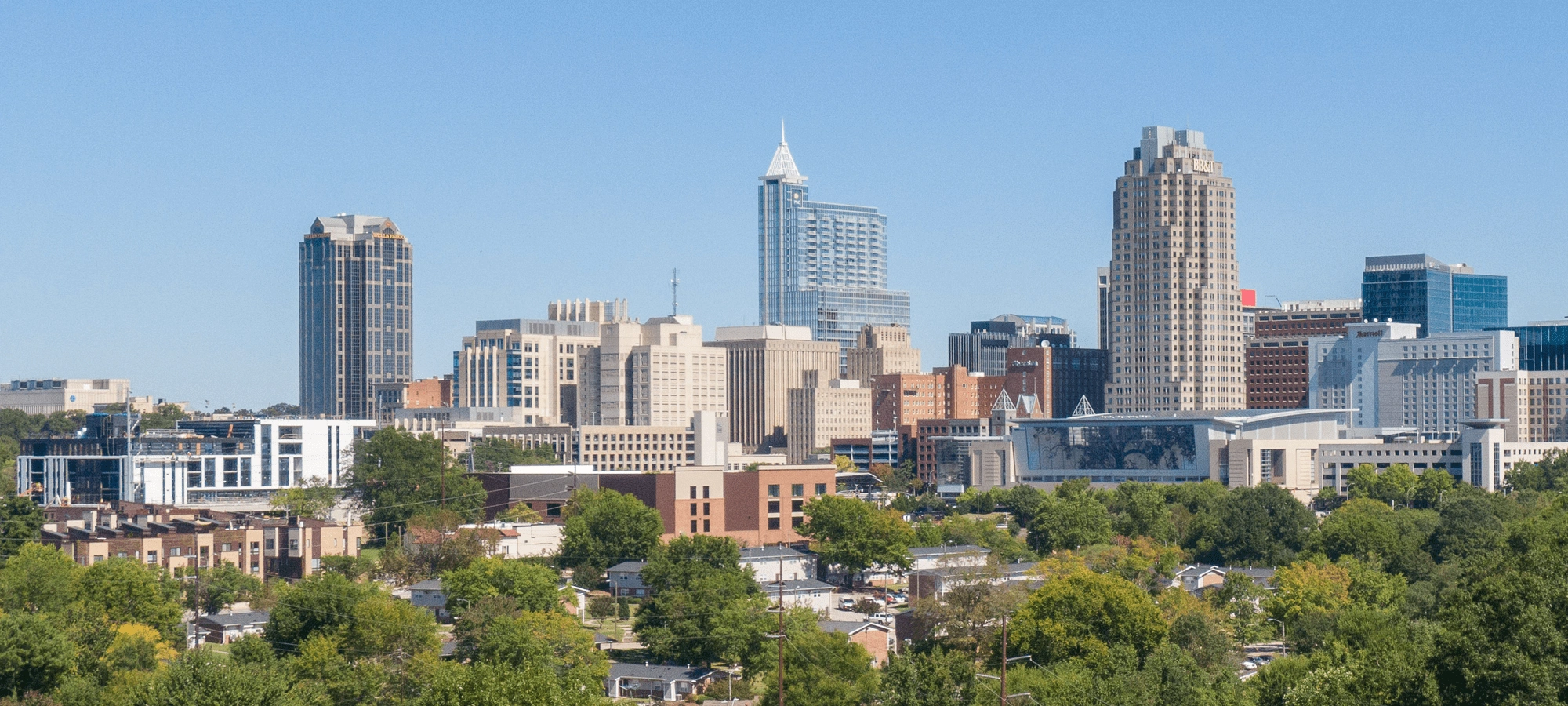
Raleigh, North Carolina: Tech and Talent
Raleigh’s growth is driven by its strong educational institutions and burgeoning tech industry. The Research Triangle is home to prominent universities and tech companies, drawing talent from across the globe. With a metro growth rate of 19.84%, Raleigh is a city on the rise, offering a blend of cultural and professional opportunities.
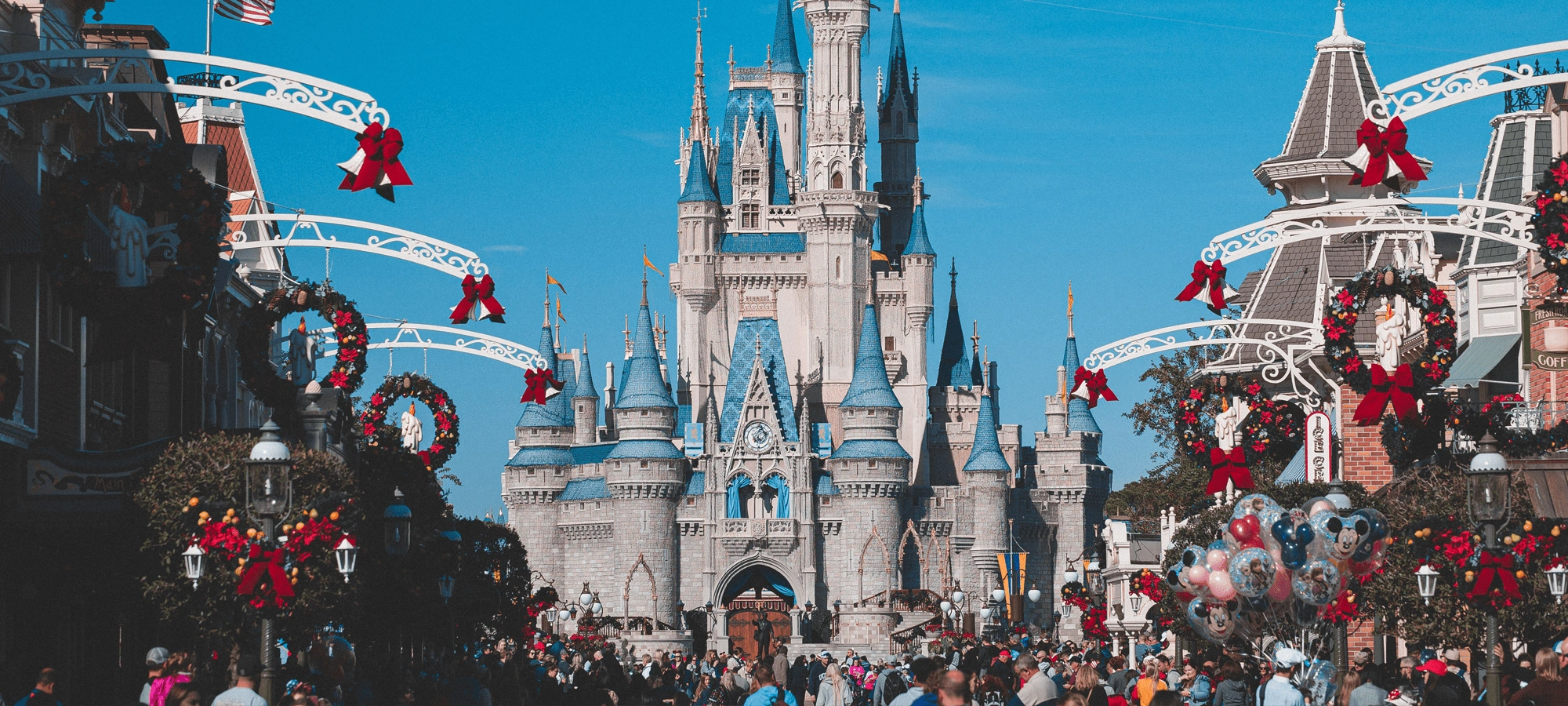
Orlando, Florida: Beyond the Theme Parks
While Orlando is famous for its theme parks, its growth story extends beyond tourism. The metro area has seen a 19.69% increase in population, driven by a robust healthcare sector and a thriving retirement industry. According to a recent study, Florida’s appeal to retirees continues to fuel its expansion.
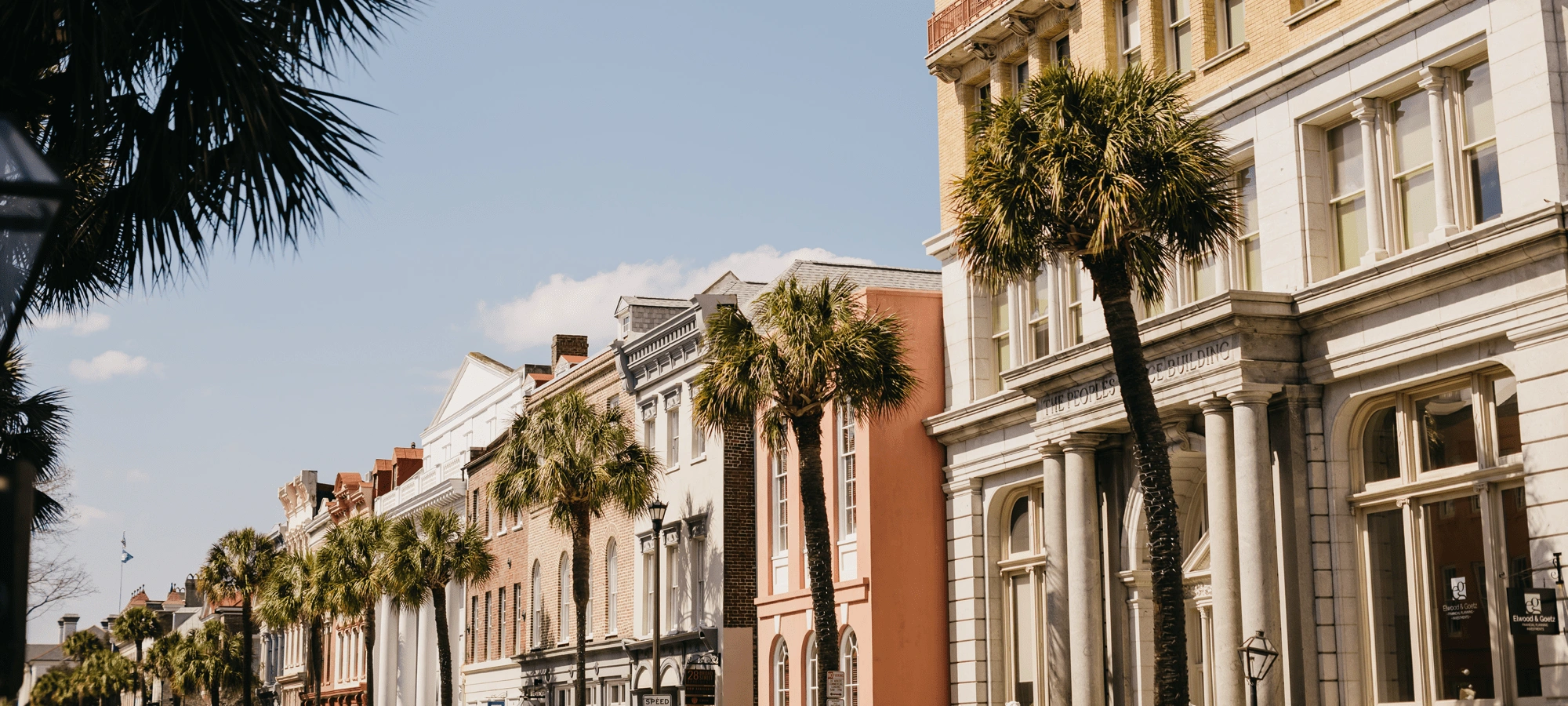
Charleston, South Carolina: A Historic Gem
Charleston blends history with modern growth, experiencing an 18.5% increase in its metro population. Known for its charm and coastal beauty, the city attracts both tourists and new residents. Charleston’s economy is diverse, with a mix of tourism, manufacturing, and technology sectors contributing to its growth.
Houston, Texas: A Giant on the Move
As one of the largest cities in the US, Houston’s metro area has grown by 17.36%. The city’s diverse economy, including a strong energy sector, continues to draw people from across the country. Despite challenges like hurricanes and heat, Houston remains an attractive destination for families and professionals alike.
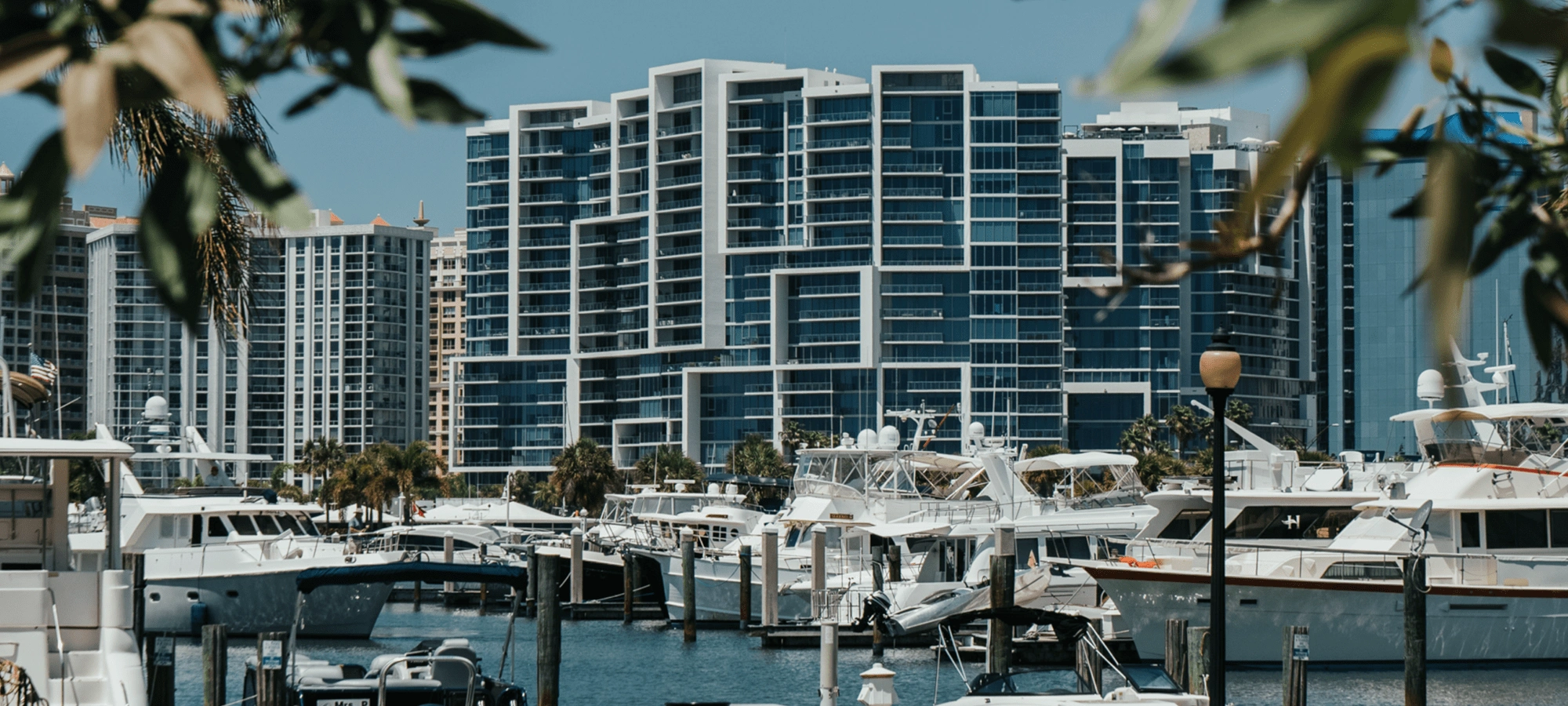
Sarasota-Bradenton, Florida: Coastal Growth
The Sarasota-Bradenton area has seen a 16.81% increase in its metro population. Known for its beautiful beaches and cultural amenities, this area is a magnet for retirees and tourists. The local economy is bolstered by a strong tourism industry and a growing healthcare sector.
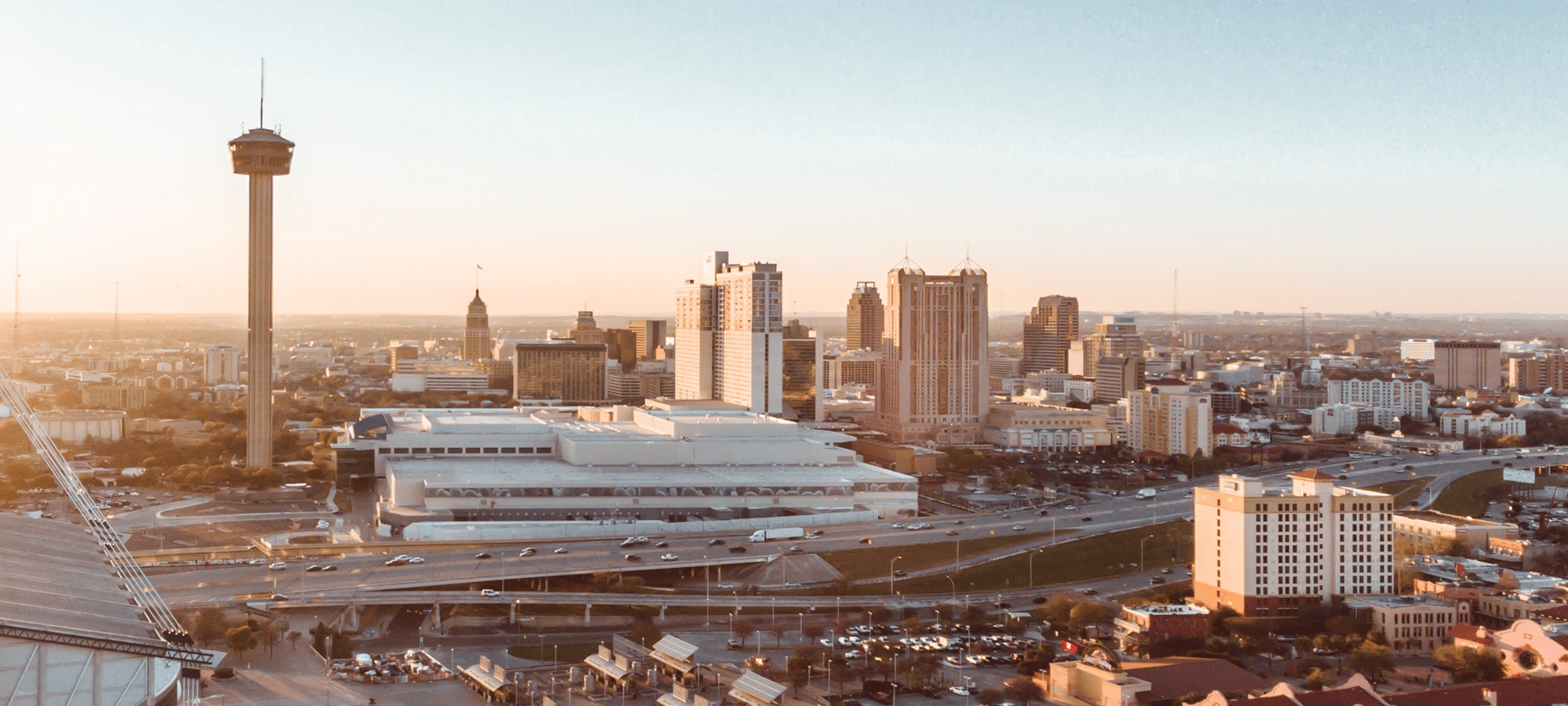
San Antonio, Texas: Military and More
San Antonio’s growth is anchored by its military presence and a diverse economy. With a 16.59% increase in its metro population, the city offers affordable living and a rich cultural heritage. Tourism, healthcare, and manufacturing are key sectors driving San Antonio’s expansion.
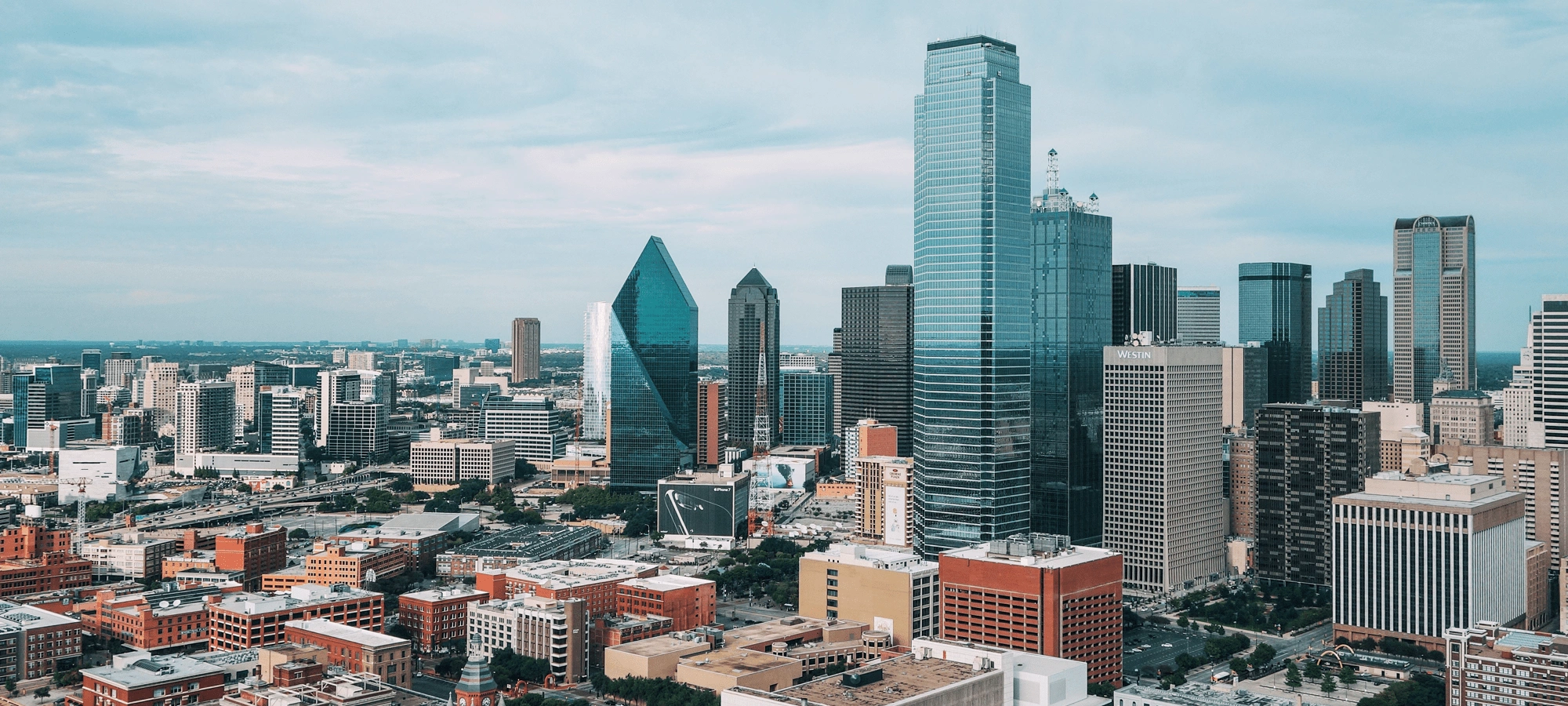
Dallas-Fort Worth, Texas: The Metroplex
The Dallas-Fort Worth Metroplex continues to thrive, with a 16.58% growth rate. This sprawling area is a hub for business, culture, and education. Major corporations and a vibrant arts scene make DFW an attractive destination for newcomers.
Phoenix, Arizona: The Valley of the Sun
Phoenix’s warm climate and growing economy have contributed to a 15.61% increase in its metro population. The city is a magnet for retirees and young professionals alike, offering a range of opportunities in healthcare, finance, and technology.
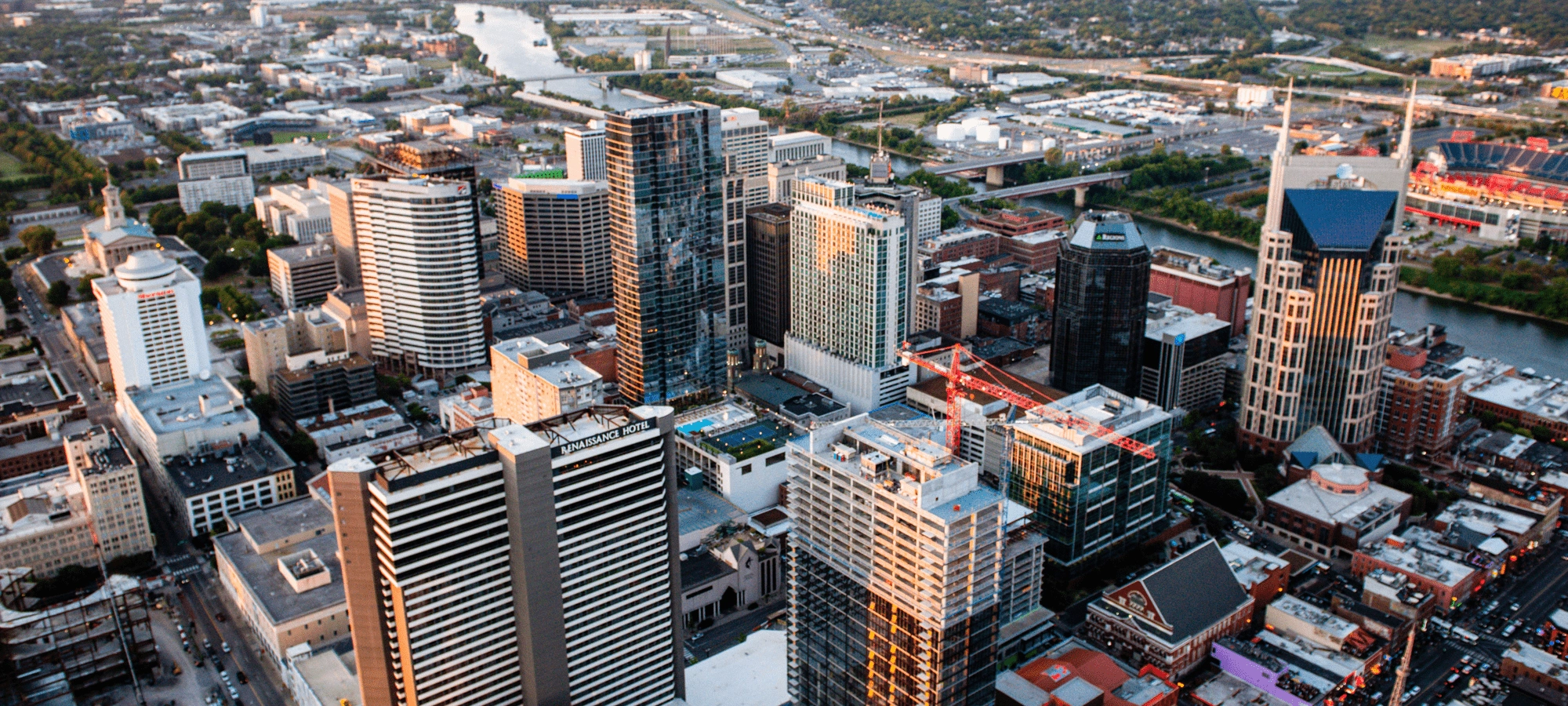
Nashville, Tennessee: Music City
Nashville’s reputation as a music and cultural hub is complemented by its economic growth. With a 15.35% increase in its metro population, the city attracts talent from various industries, including healthcare, education, and entertainment.
These cities represent a dynamic shift in the US urban landscape, driven by factors such as climate, economic opportunities, and cultural attractions. As the nation continues to evolve, these metros stand out as beacons of growth and innovation.
More Articles
Getting licensed or staying ahead in your career can be a journey—but it doesn’t have to be overwhelming. Grab your favorite coffee or tea, take a moment to relax, and browse through our articles. Whether you’re just starting out or renewing your expertise, we’ve got tips, insights, and advice to keep you moving forward. Here’s to your success—one sip and one step at a time!
Palm Beach protests erupted as intensified immigration enforcement reached the heart of Trump’s hometown, while millions in Florida brace for rising health care costs as key subsidies near expiration. At the same time, state regulators boldly declare the long‑running property insurance crisis “over,” leaving homeowners and industry professionals questioning whether true stability has finally returned.
As 2025 comes to a close, the real estate industry is shifting from uncertainty to strategic expansion. According to DWS’s Year-End 2025 Outlook, property values are stabilizing after years of repricing, capital is concentrating on high-quality assets, and Sunbelt markets—especially Florida—continue to outperform. With technology enhancing rather than replacing professional expertise, 2026 is shaping up to reward professionals who stay informed, skilled, and strategically positioned for the next cycle.
Texas capital is pouring into San Francisco’s long‑struggling commercial real estate market, with Lone Star investors buying up discounted Union Square buildings and signaling what many experts believe is the city’s market bottom. As office activity and confidence begin to return, buyers from across the country are joining the rush, turning SF’s post‑pandemic slump into one of the nation’s hottest bargain opportunities.
With 2026 HousingWire Tech100 nominations closing on December 19, the housing tech sector is accelerating at full speed. AI‑powered data platforms, digital closing breakthroughs, embedded insurance growth, and next‑generation servicing automation are reshaping real estate, mortgage, insurance, and finance. From ATTOM’s AI‑ready property intelligence to Hapi Homes’ Martha Stewart design revival, Obie’s nationwide expansion, Outamation’s servicing automation, and ServiceLink’s next‑level borrower scheduling, this year’s standout innovators are defining the future of the housing economy.
Space Investment Partners has acquired the 123,402‑square‑foot Topanga Gateway retail center in Woodland Hills for $64 million, marking another significant move in the firm’s expanding grocery‑anchored investment strategy. Located at a high‑visibility intersection and 97% occupied at the time of sale, the property strengthens the company’s push toward $500 million to $1 billion in retail acquisitions for 2026, underscoring continued investor confidence in necessity‑based retail assets.
After the Federal Reserve’s final 2025 rate cut on December 10, mortgage markets are recalibrating, giving buyers and homeowners a glimmer of relief. Rates remain lower than earlier in the year, with 30-year fixed loans at 6.12% and refinances dipping as well. This shift may spark renewed activity for buyers, refinancers, and real estate professionals heading into 2026.