The 20 Fastest Growing Cities in the US: A Closer Look
In a rapidly evolving landscape, the United States is witnessing unprecedented growth in certain metropolitan areas. The latest report from Exploding Topics delves into the top 20 fastest-growing cities and metros across the nation, revealing intriguing trends and factors driving this expansion.
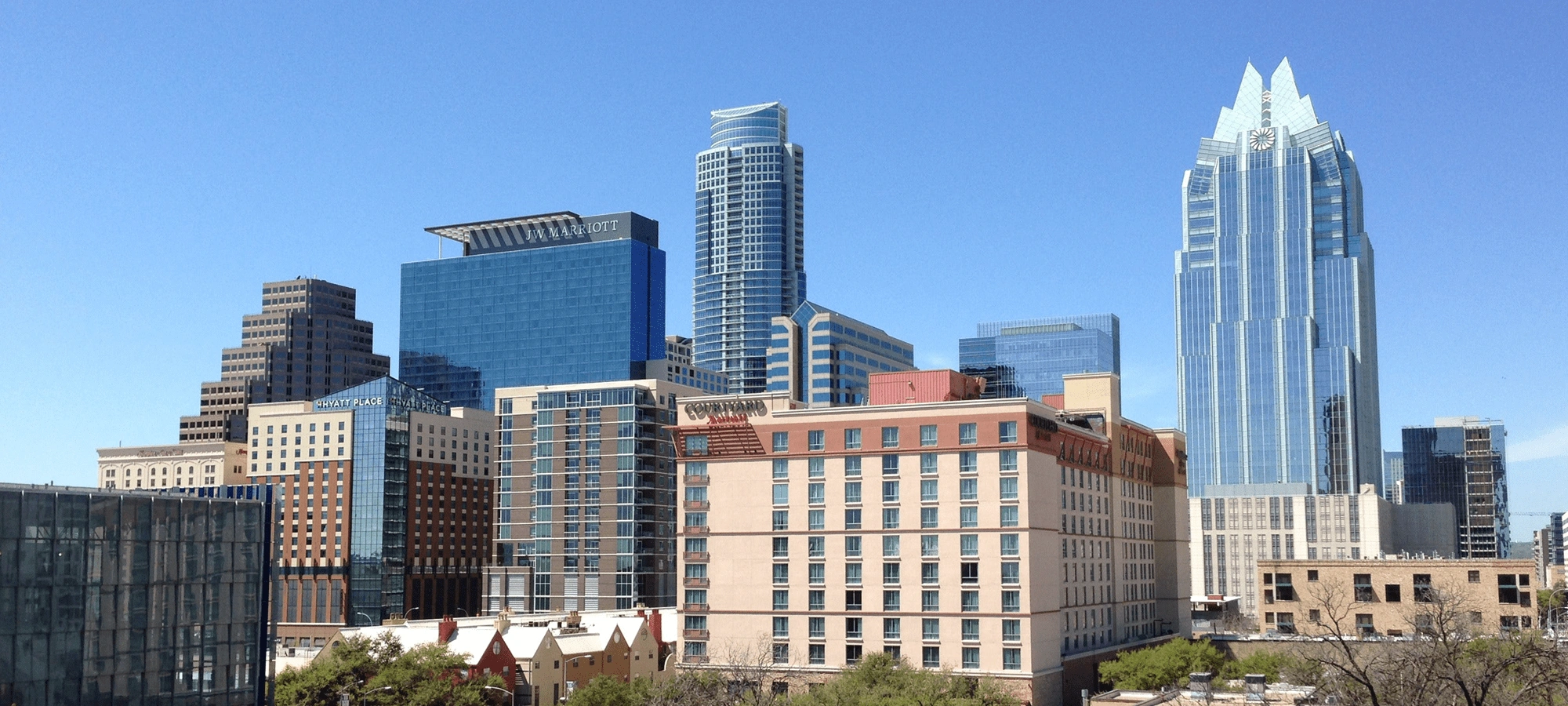
Austin, Texas: The Lone Star Leader
Austin, Texas, has emerged as the fastest-growing metro area in the United States. With a current metro population of 2,473,275 and a growth rate of 25.84%, Austin is becoming a hub of diversity and innovation. The city’s thriving tech scene, bolstered by major players like Apple and Tesla, has attracted a wave of new residents. The University of Texas at Austin also plays a pivotal role in fostering a vibrant, youthful community.
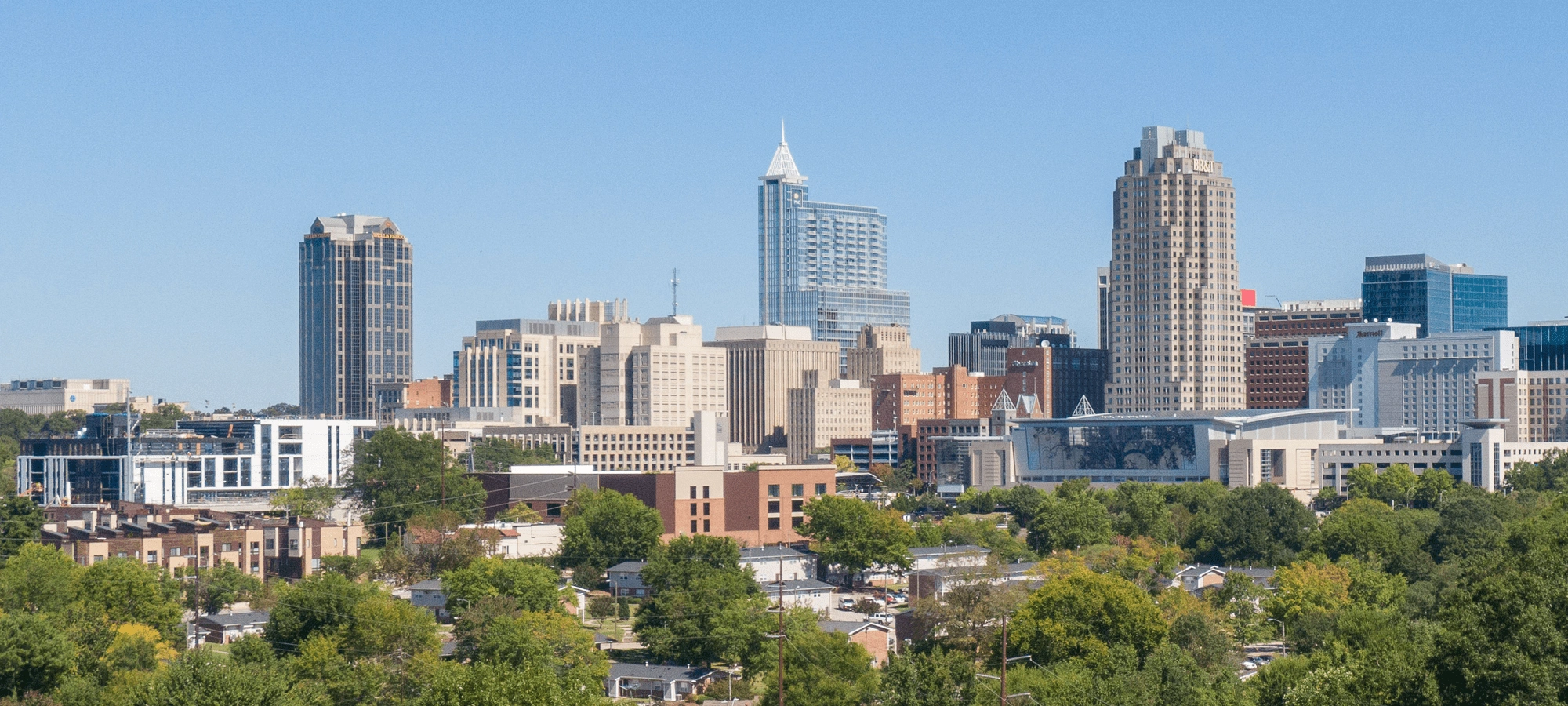
Raleigh, North Carolina: Tech and Talent
Raleigh’s growth is driven by its strong educational institutions and burgeoning tech industry. The Research Triangle is home to prominent universities and tech companies, drawing talent from across the globe. With a metro growth rate of 19.84%, Raleigh is a city on the rise, offering a blend of cultural and professional opportunities.
Orlando, Florida: Beyond the Theme Parks
While Orlando is famous for its theme parks, its growth story extends beyond tourism. The metro area has seen a 19.69% increase in population, driven by a robust healthcare sector and a thriving retirement industry. According to a recent study, Florida’s appeal to retirees continues to fuel its expansion.
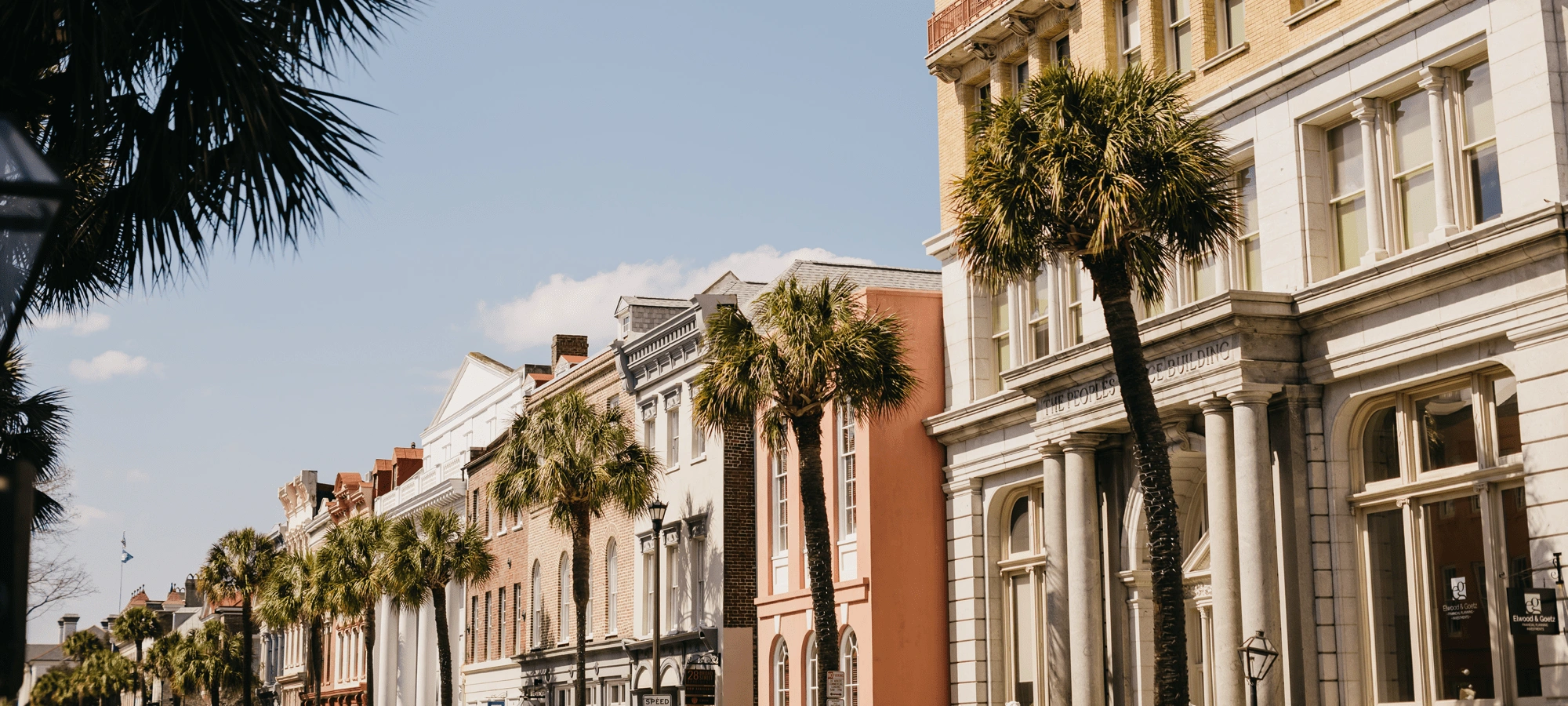
Charleston, South Carolina: A Historic Gem
Charleston blends history with modern growth, experiencing an 18.5% increase in its metro population. Known for its charm and coastal beauty, the city attracts both tourists and new residents. Charleston’s economy is diverse, with a mix of tourism, manufacturing, and technology sectors contributing to its growth.
Houston, Texas: A Giant on the Move
As one of the largest cities in the US, Houston’s metro area has grown by 17.36%. The city’s diverse economy, including a strong energy sector, continues to draw people from across the country. Despite challenges like hurricanes and heat, Houston remains an attractive destination for families and professionals alike.
Sarasota-Bradenton, Florida: Coastal Growth
The Sarasota-Bradenton area has seen a 16.81% increase in its metro population. Known for its beautiful beaches and cultural amenities, this area is a magnet for retirees and tourists. The local economy is bolstered by a strong tourism industry and a growing healthcare sector.
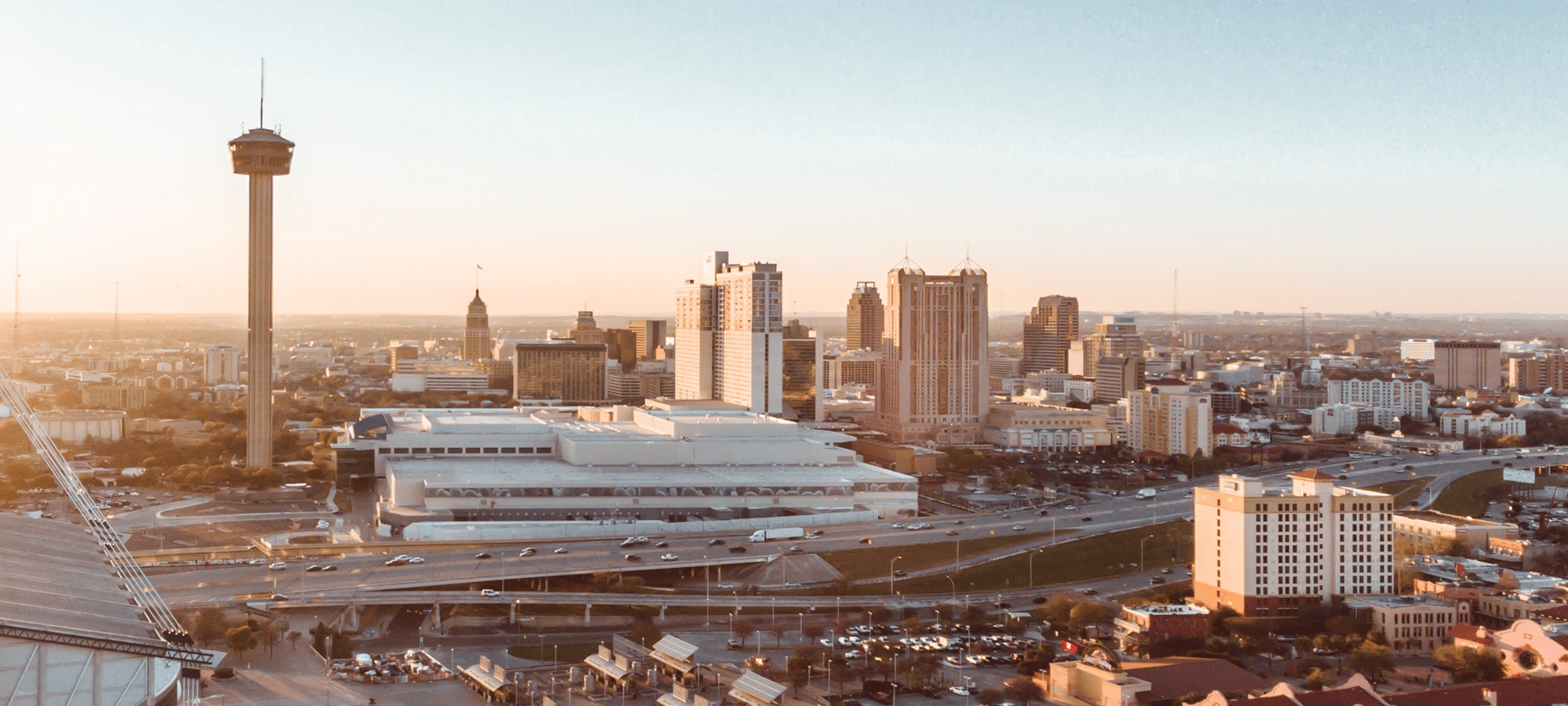
San Antonio, Texas: Military and More
San Antonio’s growth is anchored by its military presence and a diverse economy. With a 16.59% increase in its metro population, the city offers affordable living and a rich cultural heritage. Tourism, healthcare, and manufacturing are key sectors driving San Antonio’s expansion.
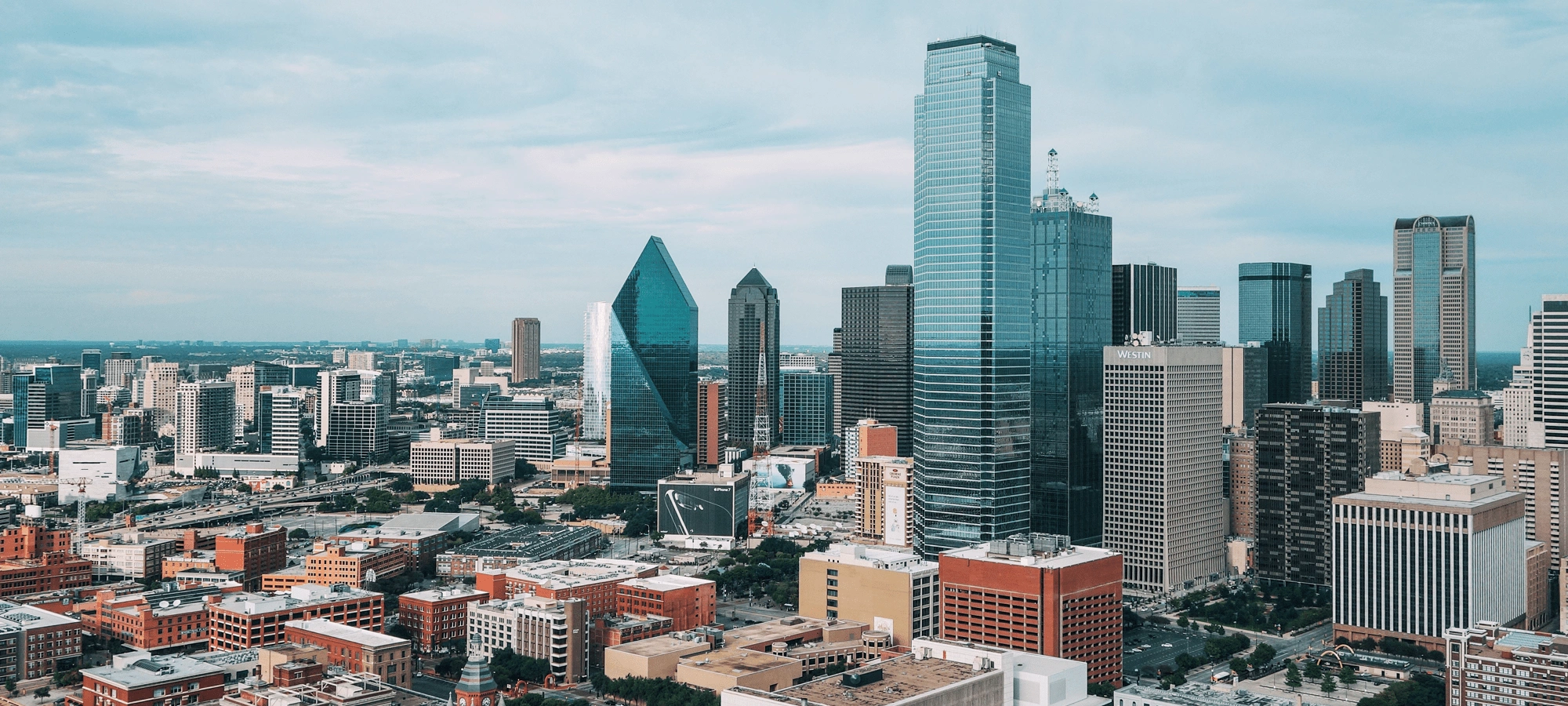
Dallas-Fort Worth, Texas: The Metroplex
The Dallas-Fort Worth Metroplex continues to thrive, with a 16.58% growth rate. This sprawling area is a hub for business, culture, and education. Major corporations and a vibrant arts scene make DFW an attractive destination for newcomers.
Phoenix, Arizona: The Valley of the Sun
Phoenix’s warm climate and growing economy have contributed to a 15.61% increase in its metro population. The city is a magnet for retirees and young professionals alike, offering a range of opportunities in healthcare, finance, and technology.
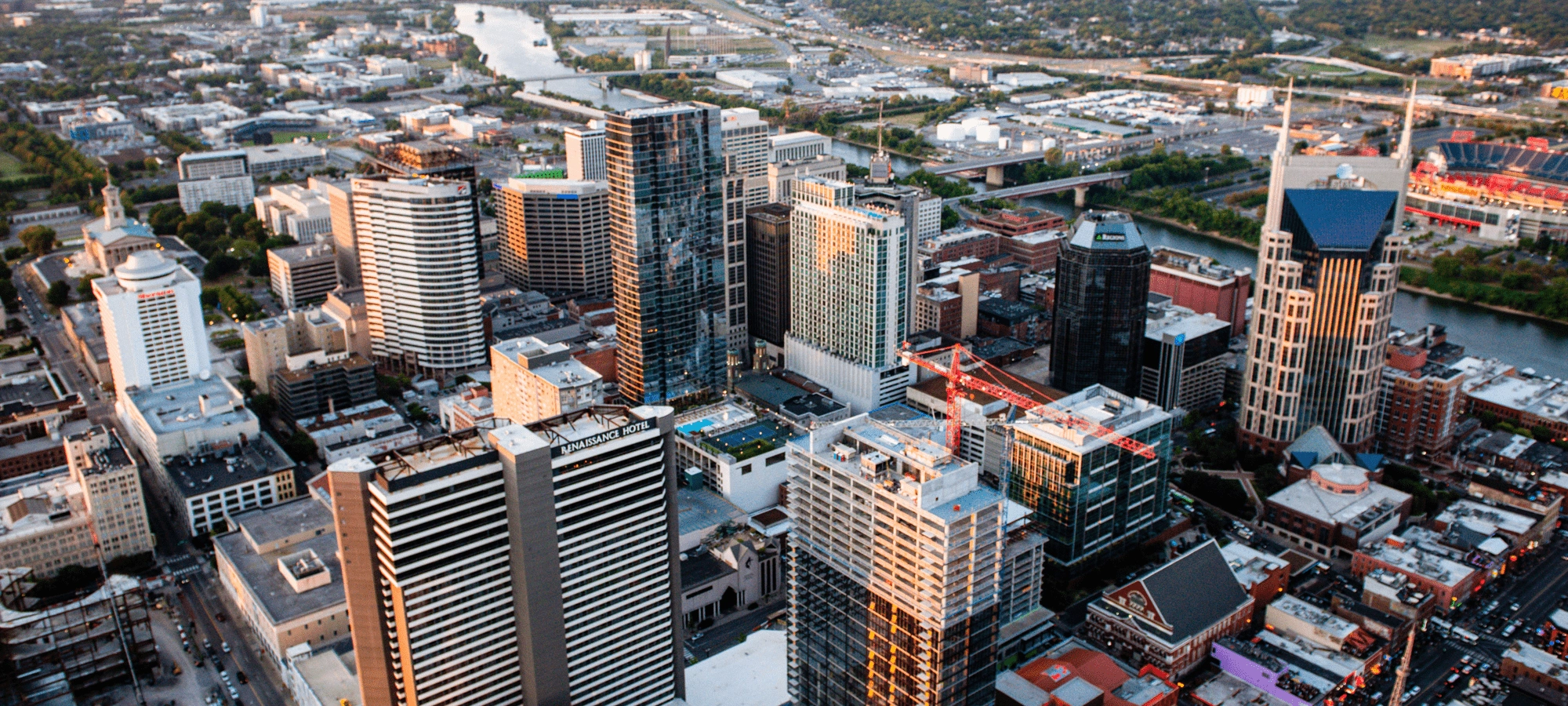
Nashville, Tennessee: Music City
Nashville’s reputation as a music and cultural hub is complemented by its economic growth. With a 15.35% increase in its metro population, the city attracts talent from various industries, including healthcare, education, and entertainment.
These cities represent a dynamic shift in the US urban landscape, driven by factors such as climate, economic opportunities, and cultural attractions. As the nation continues to evolve, these metros stand out as beacons of growth and innovation.
More Articles
Getting licensed or staying ahead in your career can be a journey—but it doesn’t have to be overwhelming. Grab your favorite coffee or tea, take a moment to relax, and browse through our articles. Whether you’re just starting out or renewing your expertise, we’ve got tips, insights, and advice to keep you moving forward. Here’s to your success—one sip and one step at a time!
Chat‑driven AI tools now let real estate professionals edit listing photos instantly—removing clutter, brightening rooms, updating décor, and even virtually staging a space using simple text prompts. This speed and flexibility help agents create stronger first impressions, accelerate turnover, and present properties more honestly and attractively. With interactive tools becoming common on property sites and transparent editing standards emerging, AI photo enhancement is quickly becoming an essential part of modern real estate marketing.
The commercial real estate landscape is heading into 2026 with powerful momentum and a fresh set of challenges. PwC’s latest Emerging Trends report places Jersey City and North Jersey among the top U.S. markets to watch, driven by redevelopment energy, tech‑driven infrastructure needs, and the surge of mixed‑use communities. But developers also face rising construction costs, high interest rates, and municipal fatigue that’s stalling projects statewide. From booming demand for data centers to the transformation of retail corridors and the rise of community‑based health care facilities, the year ahead is set to redefine how—and where—growth happens.
The Federal Reserve has lowered rates to their lowest level since 2022, marking the third cut in four months and setting the stage for gradual downward pressure on mortgage rates in 2026. While mortgage rates don’t drop automatically when the Fed cuts, easing inflation and a softening 10‑year Treasury yield suggest improved affordability, renewed refinancing opportunities and a more active market ahead for real estate and mortgage professionals.
New research reveals that a growing share of Gen Z no longer believes homeownership is within reach, leading to major behavioral changes. With first-time buyer age nearing 40 and affordability hitting new lows, young adults are saving less, working less, and taking on riskier investments. Studies from Northwestern and the University of Chicago show that when the dream of owning a home feels impossible, motivation declines—and financial priorities shift dramatically.
The FTC has issued warning letters to 13 rental software companies over concerns that their systems may hide mandatory fees and prevent landlords from displaying accurate rental prices. While not formal allegations, the move signals rising federal scrutiny following major enforcement actions against Greystar, RealPage, and Invitation Homes. For real estate professionals, this development highlights the growing importance of transparent pricing, ethical advertising, and staying ahead of regulatory shifts in today’s tech‑driven rental market.
A New York man employed only as a driver for a hedge fund founder allegedly reinvented himself as a seasoned investment professional, convincing three investors to trust him with their money. According to the SEC’s complaint, he created a deceptive LLC, used firm marketing materials to appear legitimate, and conducted risky, unauthorized trades that wiped out accounts. The scheme left the victims with more than $1 million in combined losses, prompting the SEC to pursue fraud charges and a permanent industry ban.