The Future of Commercial Real Estate Tech: Your 2026 Strategic Roadmap

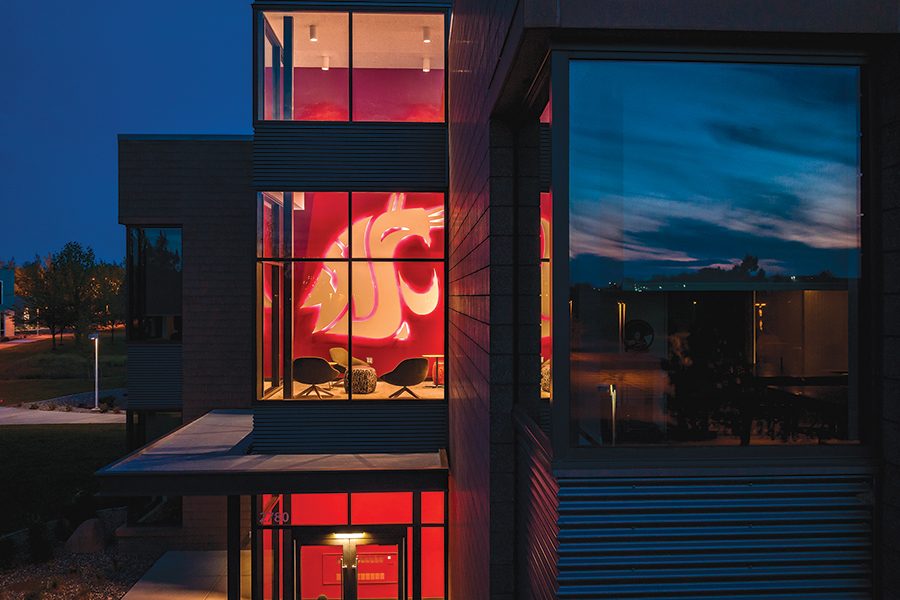
Modern commercial building at night

Commercial real estate in 2026 is no longer defined by gut instinct or predictable cycles—it’s a rapidly evolving battlefield powered by automation, real‑time data, and next‑gen intelligence. As rental rates shift and economic pressures rise, CRE professionals must choose: embrace the tech… or fall behind.

This transformation is spotlighted in a powerful report from Intelligent Living, illustrating how advanced PropTech is now a necessity rather than a luxury. From predictive analytics to smart-building automation, technology is swiftly rewriting the rules of commercial real estate.

The New CRE Reality: Data First, Instinct Second

Today’s top performers rely on digital mapping, automated asset search tools, and data frameworks that eliminate guesswork. Ownership identification, ROI forecasting, and market timing decisions now take minutes—not weeks.

The Historical Evolution of PropTech

The CRE tech revolution has unfolded across three major eras:

  • The First Wave: Foundational digital tools and standardized property data.
  • The Aggregator Era: Listing portals democratized access and powered remote transactions.
  • The Smart Era: Intelligent hardware + software ecosystems providing deep property insights.

Driving Strategy with Predictive Analytics

Predictive analytics now sits at the core of successful CRE investment strategies. By forecasting market direction, rent growth, and asset values, investors gain a massive strategic advantage.

  • Highly accurate market forecasting.
  • Smarter timing of acquisitions and exits.
  • Improved evaluation of value‑add potential.

This shields portfolios against volatility while maximizing ROI—transforming data into predictable profit.

The Demand for Sustainability

Sustainability has shifted from optional to essential. With rising ESG requirements, AI‑driven systems now manage HVAC, lighting, and energy usage with remarkable precision. The result: lower costs, reduced environmental impact, and strong positioning for green certifications.

Emerging Trends Shaping CRE Tech in 2026

Several breakthrough technologies are converging to reshape CRE:

  • Virtual & Augmented Reality: Pre‑construction tours and planning.
  • Advanced AI: Moving from predictive to prescriptive insights.
  • Autonomous Smart Buildings: Systems that learn and self‑optimize.
  • ESG‑Driven Capital: Sustainability directly influences valuation.

With occupant satisfaction now tied to rent premiums, properties with seamless digital experiences and proactive service will dominate the market.

Future-Proofing the CRE Industry

The winners of tomorrow will be those who master tech integration while elevating human expertise. As blockchain transactions and AI‑managed systems become standard, CRE professionals must stay ahead of innovation—not react to it.

Those who blend digital tools with personalized service will lead the next century of commercial real estate.

Essential Insights for Entering 2026

  • Top Trends: Prescriptive AI, ESG‑tech, blockchain liquidity.
  • ROI Drivers: Predictive analytics for early market identification.
  • Sustainability Wins: Lower energy use, better compliance, higher valuations.
  • Occupant Satisfaction: Smart buildings justify premium rent.
  • The Future of AI: Decision‑guiding, not just number‑crunching.

As the industry advances, so must its professionals. Education is the new competitive edge—especially in a tech‑first CRE world. Cameron Academy proudly helps future‑focused real estate leaders stay ahead with modern licensing, practical tech‑oriented coursework, and up‑to‑date market insights.

Explore the full source report at Intelligent Living:
IntelligentLiving.co

More Articles

Getting licensed or staying ahead in your career can be a journey—but it doesn’t have to be overwhelming. Grab your favorite coffee or tea, take a moment to relax, and browse through our articles. Whether you’re just starting out or renewing your expertise, we’ve got tips, insights, and advice to keep you moving forward. Here’s to your success—one sip and one step at a time!

2026 Western U.S. Commercial Real Estate Forecast: Key Market Shifts Professionals Need to Know

The Western U.S. commercial real estate sector is gearing up for a pivotal year in 2026, with new forecasts from Kidder Mathews showing steady economic growth, moderating inflation, and improving fundamentals across office, industrial, retail, and multifamily markets. From slow but stabilizing office recovery to strong retail performance and tightening industrial demand, the region is entering a period of rebalancing that presents fresh opportunities for real estate and related professionals.

January’s Weak Job Growth Signals a Cooling Economy — And New Pressure on the Fed

A delayed federal jobs report has pushed ADP’s data into the spotlight, revealing that private employers added just 22,000 jobs in January — far below expectations. Revised December numbers and ongoing declines in key sectors like professional services and manufacturing point to a cooling labor market heading into 2025. While wage growth remains steady, uneven job creation across regions and industries is raising new questions about future interest‑rate cuts and what this shifting economy means for professionals in fields like real estate, mortgage, insurance, and finance.

Smart and Sustainable Homes Redefine Luxury Living in Nashville’s 2026 Market

Nashville’s booming tech-driven population is transforming luxury real estate, making smart technology and eco‑friendly design the new standard. From AI‑powered adaptive living and advanced security systems to high‑efficiency construction and green incentives, the city’s top communities—Brentwood, Franklin, and Nolensville—are leading a movement toward intelligent, energy‑saving homes that offer long‑term value and modern comfort.

Florida Homeowners Face Another Year Without Insurance Relief as Lawmakers Pause Reform Efforts

Florida legislators have confirmed that no new insurance relief is coming in 2026, leaving homeowners to grapple with rising premiums and shrinking options. While Republican leaders argue that past reforms simply need more time to stabilize the market, Democrats are pushing for immediate action as families across the state feel the financial strain. With insurance changes off the table, lawmakers are shifting their focus to property tax relief—creating important ripple effects for real estate, mortgage, and insurance professionals watching the market closely.

The 2026 Investor Hotspots: Dallas Dominates, but the Southeast Surges Ahead

A new CBRE survey reveals that 2026 is shaping up to be a bullish year for commercial real estate, with most investors planning to expand their portfolios. Dallas secures the top spot for the fifth year in a row, but Southeast metros like Atlanta, Miami, Tampa, and Charlotte are rapidly gaining ground thanks to population growth, strong job creation, and resilient demand in sectors like tech, logistics, and healthcare.

WSU Launches Carson Pro, Expanding the Future of Lifelong Professional Learning

Washington State University’s Carson College of Business has introduced Carson Pro, a flexible online platform offering non‑credit certificates in finance, management, marketing, accounting, and specialty fields like the business of aging and wine business management. Designed for working professionals seeking practical, career-ready skills or a complete career reset, the program reflects a nationwide shift toward continuous learning as industries—from real estate to finance—evolve at a rapid pace.