The 2026 Housing Market Slows, Stabilizes and Starts Looking… Normal?
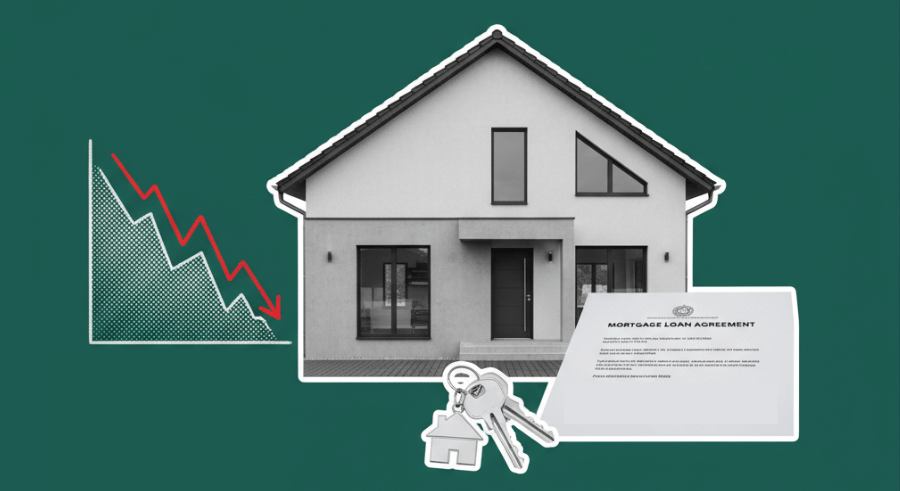
After years of extreme ups, downs and everything in between, the U.S. housing market is entering 2026 with something many professionals barely recognize anymore: balance. Inventory growth has cooled to 10% year over year, a sharp deceleration from the 33% surge seen in mid‑2025. According to fresh analysis from HousingWire, the long-running supply shortage era is giving way to a housing landscape where real demand strength and interest rates—not scarcity—set the tone.
“Year-over-year housing inventory growth has slowed to single digits… 2026 is off and running.” — Logan Mohtashami, HousingWire Lead Analyst
The result? A market that feels less frantic, more seasonal and surprisingly teachable for agents, students and professionals seeking mastery of market behavior. (If you’re studying real estate or expanding your professional license, this is the kind of shift that makes education more valuable than ever—something we’re proud to support at Cameron Academy.)
Demand Takes the Wheel as Scarcity Fades
As 2026 begins, pricing power is increasingly tied to real‑time demand patterns. Buyers are more rate‑sensitive, transaction volumes are thinner and negotiations are back in style. With seasonal predictability returning, the market rewards those who understand timing, strategy and localized decision‑making.
Inventory Growth Slows, Normalcy Strengthens
Inventory is up—but not nearly as explosive as last year. And for the first time since the chaos of 2021, we’re seeing a stable winter bottom forming. Between Jan. 2–9, inventory actually declined, signaling a return to familiar seasonal rhythms.
“We would want the seasonal bottom to happen in February to help affordability and price growth moderation.” — Mohtashami
A February trough would give agents, lenders and builders a predictable runway to plan spring activity—exactly the kind of structural normalcy professionals have been craving.
New Listings: The Real Bottleneck
Despite improving inventory totals, new listings remain stubbornly low. Only 39,007 hit the market the week ending Jan. 9, a 12.6% decline from the previous year. Until new listing activity rebounds to 80,000+ during peak season, true expansion will remain limited.
Goodbye Urgent Bidding, Hello Price Discovery
The median days on market now sits at 91. Nearly 35% of homes have cut their price, while just 2.4% have raised theirs. Negotiation—not bidding wars—is officially the name of the game.
Pending sales—39,841 for the week—are down modestly from 2025, underscoring a calmer, more stable level of market activity.
Rates Shift Psychology and Unlock Demand
With rates hovering closer to 6% than 7%, buyer psychology is shifting. Lower payments and improved move‑up math are coaxing both buyers and sellers back into the market. According to Mohtashami, the Trump administration’s push for housing momentum is also beginning to influence confidence.
What This Means for Industry Pros
Agents & Brokerages
Use returning seasonality to time listings strategically.
Guide buyers through negotiation‑first price dynamics.
Lenders & Mortgage Operators
Frame rate messaging around demand sensitivity.
Use pending sales trends to anticipate volume.
Builders & Developers
Prepare for increased competition from resale supply.
Offer incentives highlighting the new‑vs‑existing value gap.
Investors & Portfolios
Interpret price cuts as normal discovery—not market distress.
Incorporate policy volatility into investment models.
A Moderated Market—Finally
For the first time in years, spreads are normalizing and expected rate cuts are already priced in. After an era defined by extremes, 2026 is shaping into a market where informed professionals thrive—and real estate behaves like real estate again.
If this kind of market insight motivates you to build or advance a real estate career, Cameron Academy offers flexible, affordable programs designed for today’s evolving industry.
Explore local data and the full report at HousingWire:
Getting licensed or staying ahead in your career can be a journey—but it doesn’t have to be overwhelming. Grab your favorite coffee or tea, take a moment to relax, and browse through our articles. Whether you’re just starting out or renewing your expertise, we’ve got tips, insights, and advice to keep you moving forward. Here’s to your success—one sip and one step at a time!
November marked another cooldown for commercial real estate, with total deal volume dropping 10% year over year and falling below even 2020’s levels. While overall activity is slowing, investors are concentrating their money on bigger, more resilient assets—driving a 51% surge in deals over $100 million and pushing average transaction sizes well above historical norms. Multifamily remains the strongest sector, office deals are becoming more strategically focused, and medical office and data centers continue to outperform as long‑term demand stays solid.
After years of stalled activity, commercial real estate may finally be nearing a rebound. Experts say that expected interest‑rate drops in 2026 could reignite investor confidence, unlock sidelined capital, and boost deal flow across multiple sectors. But the outlook isn’t uniformly sunny—multifamily faces oversupply, industrial is cooling after years of rapid growth, and weakening employment conditions may slow absorption. For professionals across real estate, mortgage, insurance, and finance, the shifting landscape presents both challenges and major opportunities for those who stay informed and properly licensed.
Consumer Reports delivered a major warning to Congress, highlighting how rapidly expanding fintech tools—especially AI‑driven platforms—are outpacing consumer protections. In testimony before the House Subcommittee on Digital Assets, Financial Technology and AI, CR called for stronger, clearer rules to prevent hidden fees, predatory practices, and confusion within digital financial products. For professionals in real estate, mortgages, insurance, and finance, these emerging regulations may soon influence lending decisions, underwriting, credit evaluations, and compliance expectations across the industry.
Amazon is preparing to cut up to 30,000 corporate jobs by mid‑2026 as it pivots aggressively toward automation and AI. Following 14,000 layoffs in late 2025, the company is eliminating layers of management to redirect billions into robotics, generative AI systems, and supercomputing partnerships. While warehouse hiring continues for seasonal demand, Amazon’s internal shift reveals a broader nationwide trend: white‑collar roles across tech, finance, logistics, and more are being reshaped by automation at unprecedented speed.
Florida’s real estate market enters 2026 with new leadership at the helm as Chuck Bonfiglio, broker-owner of AAA Realty Group, is officially installed as President of Florida Realtors. With more than 230,000 members behind the association, Bonfiglio highlights affordability, insurance reform, and taxes as key priorities while expressing optimism about easing mortgage rates, stabilizing prices, and growing inventory. Backed by years of statewide and national Realtor leadership, he aims to guide professionals through another transformative year alongside a newly appointed 2026 leadership team.
Tampa isn’t cooling off—it’s getting smarter. After years of rapid expansion, the city’s commercial real estate market has shifted into a more disciplined, selective phase. Population growth remains strong, office leasing is outperforming national trends, industrial activity is normalizing sustainably, and retail is seeing renewed investor confidence. With capital becoming more cautious and health care real estate emerging as a major growth sector, Tampa is entering a new era focused on strategy, execution, and long‑term fundamentals.