The 2026 Housing Market Slows, Stabilizes and Starts Looking… Normal?
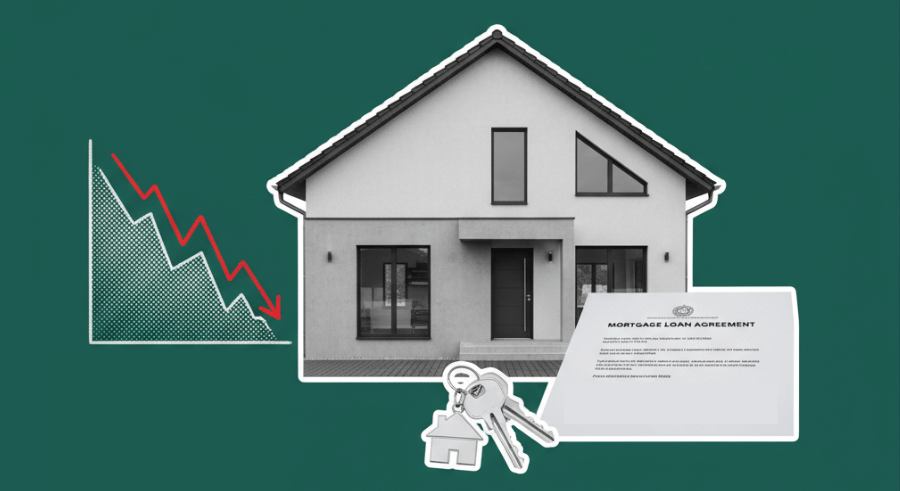
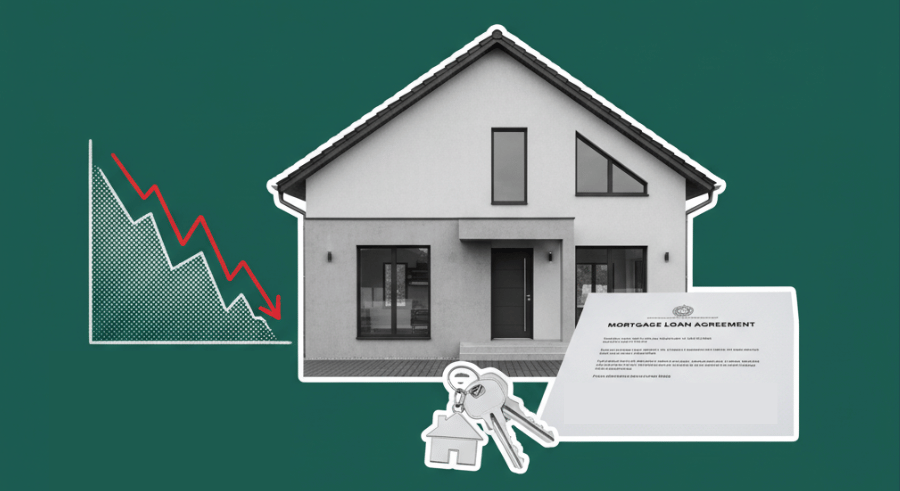
After years of extreme ups, downs and everything in between, the U.S. housing market is entering 2026 with something many professionals barely recognize anymore: balance. Inventory growth has cooled to 10% year over year, a sharp deceleration from the 33% surge seen in mid‑2025. According to fresh analysis from HousingWire, the long-running supply shortage era is giving way to a housing landscape where real demand strength and interest rates—not scarcity—set the tone.
“Year-over-year housing inventory growth has slowed to single digits… 2026 is off and running.” — Logan Mohtashami, HousingWire Lead Analyst
The result? A market that feels less frantic, more seasonal and surprisingly teachable for agents, students and professionals seeking mastery of market behavior. (If you’re studying real estate or expanding your professional license, this is the kind of shift that makes education more valuable than ever—something we’re proud to support at Cameron Academy.)
Demand Takes the Wheel as Scarcity Fades
As 2026 begins, pricing power is increasingly tied to real‑time demand patterns. Buyers are more rate‑sensitive, transaction volumes are thinner and negotiations are back in style. With seasonal predictability returning, the market rewards those who understand timing, strategy and localized decision‑making.
Inventory Growth Slows, Normalcy Strengthens
Inventory is up—but not nearly as explosive as last year. And for the first time since the chaos of 2021, we’re seeing a stable winter bottom forming. Between Jan. 2–9, inventory actually declined, signaling a return to familiar seasonal rhythms.
“We would want the seasonal bottom to happen in February to help affordability and price growth moderation.” — Mohtashami
A February trough would give agents, lenders and builders a predictable runway to plan spring activity—exactly the kind of structural normalcy professionals have been craving.
New Listings: The Real Bottleneck
Despite improving inventory totals, new listings remain stubbornly low. Only 39,007 hit the market the week ending Jan. 9, a 12.6% decline from the previous year. Until new listing activity rebounds to 80,000+ during peak season, true expansion will remain limited.
Goodbye Urgent Bidding, Hello Price Discovery
The median days on market now sits at 91. Nearly 35% of homes have cut their price, while just 2.4% have raised theirs. Negotiation—not bidding wars—is officially the name of the game.
Pending sales—39,841 for the week—are down modestly from 2025, underscoring a calmer, more stable level of market activity.
Rates Shift Psychology and Unlock Demand
With rates hovering closer to 6% than 7%, buyer psychology is shifting. Lower payments and improved move‑up math are coaxing both buyers and sellers back into the market. According to Mohtashami, the Trump administration’s push for housing momentum is also beginning to influence confidence.
What This Means for Industry Pros
Agents & Brokerages
Use returning seasonality to time listings strategically.
Guide buyers through negotiation‑first price dynamics.
Lenders & Mortgage Operators
Frame rate messaging around demand sensitivity.
Use pending sales trends to anticipate volume.
Builders & Developers
Prepare for increased competition from resale supply.
Offer incentives highlighting the new‑vs‑existing value gap.
Investors & Portfolios
Interpret price cuts as normal discovery—not market distress.
Incorporate policy volatility into investment models.
A Moderated Market—Finally
For the first time in years, spreads are normalizing and expected rate cuts are already priced in. After an era defined by extremes, 2026 is shaping into a market where informed professionals thrive—and real estate behaves like real estate again.
If this kind of market insight motivates you to build or advance a real estate career, Cameron Academy offers flexible, affordable programs designed for today’s evolving industry.
Explore local data and the full report at HousingWire:
Getting licensed or staying ahead in your career can be a journey—but it doesn’t have to be overwhelming. Grab your favorite coffee or tea, take a moment to relax, and browse through our articles. Whether you’re just starting out or renewing your expertise, we’ve got tips, insights, and advice to keep you moving forward. Here’s to your success—one sip and one step at a time!
Tokenization has surged from crypto niche to global financial disruptor as institutions like Robinhood, BlackRock, and Coinbase race to digitize real-world assets. With pro‑crypto political momentum, shifting regulations, and private companies resisting newfound transparency, this emerging wave is transforming how investments are bought, sold, and accessed. For professionals in real estate, finance, lending, and insurance, this shift signals massive opportunity—and equally massive responsibility—as the next era of asset ownership takes shape.
Florida homeowners are finally getting relief as Citizens Property Insurance announces an average 8.7% statewide rate reduction for 2026, with South Florida seeing cuts as high as 14%. Driven by recent tort reforms and a stabilizing market, these decreases signal a major turnaround for an industry once on the brink of collapse — and a potential boost for real estate activity across the state.
After years of roller‑coaster chaos, the 2026 U.S. housing market is easing into something professionals haven’t seen in a long time: balance. Inventory growth has slowed to just 10% year over year—down sharply from 2025’s surge—signaling the end of the pandemic‑era scarcity and the rise of a market driven by real‑time demand and interest rates. With seasonal patterns returning, negotiations replacing bidding wars and rates drifting toward 6%, agents, lenders and investors are finally navigating conditions that look… normal.
More than half of Gen Z investors say they entered the stock market because of social media—not textbooks, not advisors. Viral creators, AI tools, and crypto trends are reshaping how young adults learn about money, invest early, and chase financial freedom. This Fortune‑featured shift highlights a generation determined to build wealth fast, trust digital voices over traditional institutions, and redefine financial education for the future.
After years of extremes, the U.S. housing market is shifting into a more balanced, predictable phase. Inventory growth has cooled from last year’s surge, seasonality is returning, and pricing is becoming increasingly rate‑sensitive. With mortgage rates hovering near 6% and policy changes reshaping investor participation, 2026 is emerging as a negotiation‑driven market where skilled agents, lenders, builders, and investors have a renewed advantage. This new landscape rewards strategy, education, and real‑time demand awareness—making it an ideal moment for professionals to refine their approach and capitalize on the market’s normalization.
A sudden policy shift at the start of 2026 is already pushing mortgage rates lower, dipping them under 6% for the first time in months. New projections suggest the government-sponsored enterprises’ $200 billion in mortgage‑backed securities purchases could accelerate rate declines throughout the year, boosting affordability, home sales, and overall market activity for buyers, sellers, and real estate professionals alike.