Imagine waking up one morning to find an extra $5,000 in your bank account. No, you didn’t win the lottery, and no, your long-lost millionaire uncle didn’t suddenly remember you exist. Instead, it’s a special refund, courtesy of Elon Musk and a newly proposed initiative called the Doge Dividend. Sounds wild, right? Well, let’s dive in and see if this is actually happening or just another Twitter fever dream that caught fire.
What’s the Deal with the Doge Dividend?
First off, no—this has nothing to do with Dogecoin. I know, I know, the name is misleading, but bear with me. The “Doge Dividend” is actually linked to something called the Department of Government Efficiency (DOGE). The basic idea? Cut government waste, save billions of dollars, and then send out $5,000 refund checks to every American taxpayer.
The whole thing went viral after a post on X (formerly Twitter) suggested that Donald Trump and Elon Musk team up to announce a tax refund check funded entirely by government efficiency savings. And just like that, crypto blogs, finance YouTubers, and even news outlets like Fox News started buzzing. Could this actually happen?
Will You Really Get $5,000?
Short answer: probably not anytime soon. Long answer: it’s complicated.
First off, this proposal isn’t law, nor is it officially endorsed by the government—at least, not yet. While Elon Musk is an adviser, he doesn’t have the power to unilaterally approve tax refunds. That would require approval from both the President and Congress. And last I checked, getting those two to agree on anything is about as easy as convincing my dog that going to the vet is, in fact, a fun adventure.
But let’s say this does get traction. The proposal suggests taking 20% of the total savings from cutting wasteful government spending and redistributing it to taxpayers as a one-time check. The remaining 80%? That would go toward paying down America’s ever-growing national debt (which is currently about as terrifying as a horror movie plot).
The Math Behind the Madness
DOGE has reportedly already saved around $50–55 billion in just a month or so.
The long-term goal? Cut up to $2 trillion in wasteful spending.
If 20% of those savings were distributed, it would amount to $400 billion—enough to give roughly $5,000 per household in the U.S.
But hold up—there’s a catch. The viral proposal initially suggested that every individual (not just households) would receive $5,000. Given that the U.S. has around 341 million citizens, that would cost a cool $1.7 trillion—almost the entire amount DOGE is hoping to save over four years.
More realistically, if the checks were only given to those who pay taxes (around 155 million people), the total cost would be about $775 billion, which is still… a lot.
But, Wouldn’t This Just Bring Back Inflation?
Ah yes, the not-so-small issue of inflation, aka the reason your grocery bill now makes you rethink every financial decision you’ve ever made.
We’ve seen this movie before. After the 2020 and 2021 stimulus checks, inflation skyrocketed to the highest levels in 40 years. One study from MIT estimated that about 42% of the early 2022 inflation spike was due to massive federal spending.
So naturally, people are asking: Would this Doge Dividend cause inflation all over again? Probably—unless the money was strictly coming from savings without new government spending.
If Washington started handing out these checks before the savings were fully realized, they’d have to reshuffle budgets, pull funds from elsewhere, or, worse yet, issue new government debt. And when the government injects massive amounts of money into the economy, prices tend to rise.
(Translation: Don’t get too excited about those refund checks just yet.)
Is This Actually a Smart Idea?
On paper, the logic makes sense—cut wasteful spending and return some of that money to taxpayers. And let’s be real, the government has wasted money on some truly bizarre things (I’m looking at you, $10 million for voluntary medical male circumcision programs in Mozambique). So if DOGE really can save hundreds of billions, why not give some of it back?
But the big challenges remain: How much can actually be saved? How long will it take? And will politicians agree on where the money goes? The U.S. government isn’t exactly known for its speed or efficiency, so this could take years, if it even happens at all.
Final Thoughts
As of right now, the chances of this happening are pretty slim, but not impossible. If DOGE does continue its aggressive cost-cutting and actually hits its ambitious savings goals, we might see some sort of taxpayer refund—just probably not a no-strings-attached $5,000 check anytime soon.
What do you think? Would you support something like this, or are you worried about inflation coming roaring back? Drop your thoughts (and even your best conspiracy theories) in the comments!
TL;DR:
The Doge Dividend is a viral proposal suggesting each taxpayer gets a $5,000 refund from government savings.
Elon Musk and Donald Trump are linked to the idea, but nothing is official yet.
It could technically be funded without inflation issues, but only if enough money is saved first.
Realistically, this idea would take years to materialize (if it ever does).
Inflation is the elephant in the room if this isn’t handled properly.
“`
Imagine waking up one morning to find an extra $5,000 in your bank account. No, you didn’t win the lottery, and no, your long-lost millionaire uncle didn’t suddenly remember you exist. Instead, it’s a special refund, courtesy of Elon Musk and a newly proposed initiative called the Doge Dividend. Sounds wild, right? Well, let’s dive in and see if this is actually happening or just another Twitter fever dream that caught fire.
What’s the Deal with the Doge Dividend?
First off, no—this has nothing to do with Dogecoin. I know, I know, the name is misleading, but bear with me. The "Doge Dividend" is actually linked to something called the Department of Government Efficiency (DOGE). The basic idea? Cut government waste, save billions of dollars, and then send out $5,000 refund checks to every American taxpayer.
The whole thing went viral after a post on X (formerly Twitter) suggested that Donald Trump and Elon Musk team up to announce a tax refund check funded entirely by government efficiency savings. And just like that, crypto blogs, finance YouTubers, and even news outlets like Fox News started buzzing. Could this actually happen?
Will You Really Get $5,000?
Short answer: probably not anytime soon. Long answer: it’s complicated.
First off, this proposal isn’t law, nor is it officially endorsed by the government—at least, not yet. While Elon Musk is an adviser, he doesn’t have the power to unilaterally approve tax refunds. That would require approval from both the President and Congress. And last I checked, getting those two to agree on anything is about as easy as convincing my dog that going to the vet is, in fact, a fun adventure.
But let’s say this does get traction. The proposal suggests taking 20% of the total savings from cutting wasteful government spending and redistributing it to taxpayers as a one-time check. The remaining 80%? That would go toward paying down America’s ever-growing national debt (which is currently about as terrifying as a horror movie plot).
The Math Behind the Madness
DOGE has reportedly already saved around $50–55 billion in just a month or so.
The long-term goal? Cut up to $2 trillion in wasteful spending.
If 20% of those savings were distributed, it would amount to $400 billion—enough to give roughly $5,000 per household in the U.S.
But hold up—there’s a catch. The viral proposal initially suggested that every individual (not just households) would receive $5,000. Given that the U.S. has around 341 million citizens, that would cost a cool $1.7 trillion—almost the entire amount DOGE is hoping to save over four years.
More realistically, if the checks were only given to those who pay taxes (around 155 million people), the total cost would be about $775 billion, which is still... a lot.
But, Wouldn’t This Just Bring Back Inflation?
Ah yes, the not-so-small issue of inflation, aka the reason your grocery bill now makes you rethink every financial decision you've ever made.
We’ve seen this movie before. After the 2020 and 2021 stimulus checks, inflation skyrocketed to the highest levels in 40 years. One study from MIT estimated that about 42% of the early 2022 inflation spike was due to massive federal spending.
So naturally, people are asking: Would this Doge Dividend cause inflation all over again? Probably—unless the money was strictly coming from savings without new government spending.
If Washington started handing out these checks before the savings were fully realized, they’d have to reshuffle budgets, pull funds from elsewhere, or, worse yet, issue new government debt. And when the government injects massive amounts of money into the economy, prices tend to rise.
(Translation: Don’t get too excited about those refund checks just yet.)
Is This Actually a Smart Idea?
On paper, the logic makes sense—cut wasteful spending and return some of that money to taxpayers. And let’s be real, the government has wasted money on some truly bizarre things (I’m looking at you, $10 million for voluntary medical male circumcision programs in Mozambique). So if DOGE really can save hundreds of billions, why not give some of it back?
But the big challenges remain: How much can actually be saved? How long will it take? And will politicians agree on where the money goes? The U.S. government isn't exactly known for its speed or efficiency, so this could take years, if it even happens at all.
Final Thoughts
As of right now, the chances of this happening are pretty slim, but not impossible. If DOGE does continue its aggressive cost-cutting and actually hits its ambitious savings goals, we might see some sort of taxpayer refund—just probably not a no-strings-attached $5,000 check anytime soon.
What do you think? Would you support something like this, or are you worried about inflation coming roaring back? Drop your thoughts (and even your best conspiracy theories) in the comments!
TL;DR:
The Doge Dividend is a viral proposal suggesting each taxpayer gets a $5,000 refund from government savings.
Elon Musk and Donald Trump are linked to the idea, but nothing is official yet.
It could technically be funded without inflation issues, but only if enough money is saved first.
Realistically, this idea would take years to materialize (if it ever does).
Inflation is the elephant in the room if this isn’t handled properly.
More Articles
Getting licensed or staying ahead in your career can be a journey—but it doesn’t have to be overwhelming. Grab your favorite coffee or tea, take a moment to relax, and browse through our articles. Whether you’re just starting out or renewing your expertise, we’ve got tips, insights, and advice to keep you moving forward. Here’s to your success—one sip and one step at a time!
Florida’s property insurance system is once again spiraling as new “market-friendly” reforms fail to stabilize rising premiums, insurer failures, and mounting homeowner frustration. Despite aggressive efforts to shift policyholders from Citizens to private carriers, many of the new insurers stepping in are tied to past insolvencies, questionable ratings, and political influence. For real estate, mortgage, and insurance professionals, these systemic cracks are reshaping closings, valuations, and risk across the state—making it essential to stay ahead of ongoing regulatory and market shifts.
Commercial real estate is heading into a turning‑point year in 2026, driven by economic uncertainty, AI‑powered transformation, shifting demographics and rising portfolio risk. Insights from The Counselors of Real Estate highlight the top issues shaping the year ahead—from fiscal pressures and capital constraints to housing shortages, global volatility and the future of data‑driven decision‑making. For real estate, mortgage, insurance and finance professionals, these trends offer a clear roadmap for staying competitive and preparing for the next wave of industry change.
AI-powered tools, fraud protection systems, and smarter MLS integrations are sweeping through the real estate industry as major organizations adopt new technologies. From RealReports hitting its 50th partnership to BeachesMLS unveiling instant AI home visualizations and Doorify boosting security, professionals are seeing rapid advancements that promise sharper insights, safer transactions, and more efficient rental workflows. This evolving tech landscape underscores the importance of staying educated and adaptable — especially for agents preparing for a competitive, AI-enhanced 2025 market.
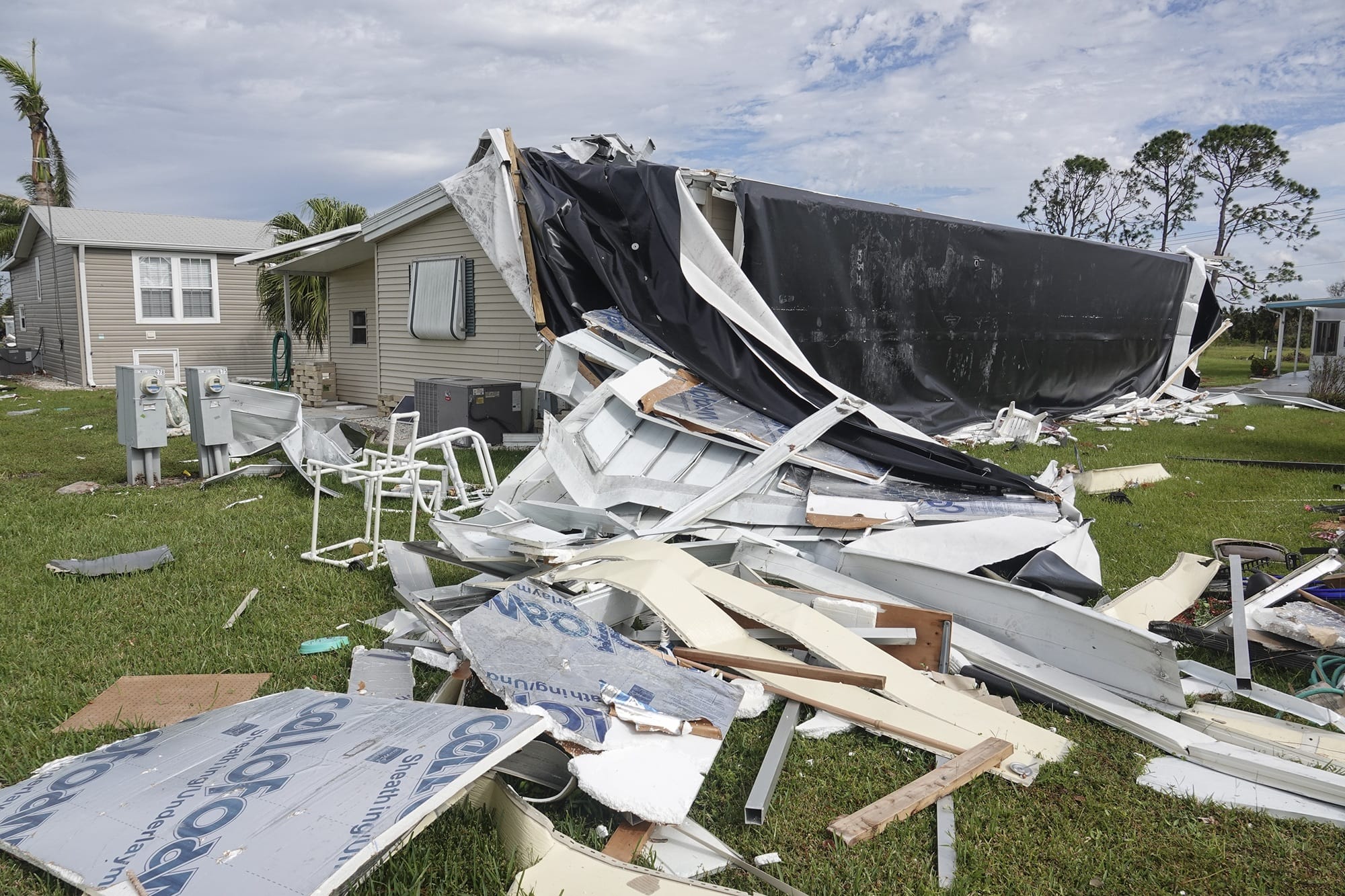
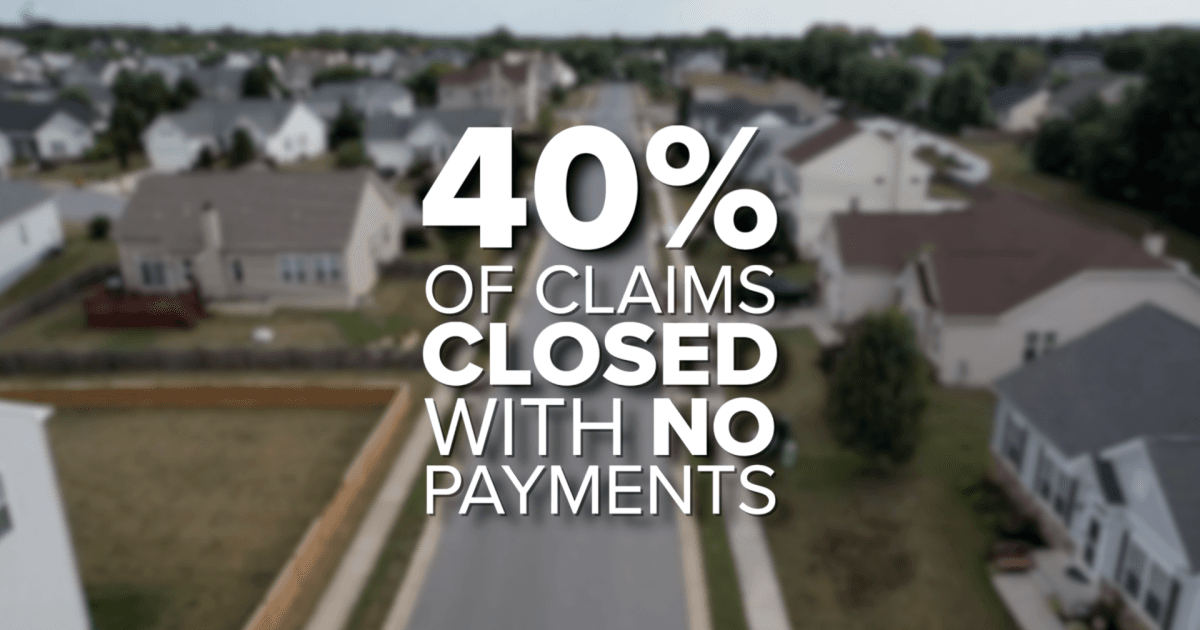
Florida homeowners are being hit with the highest insurance premiums in the nation, averaging $5,838 per year—nearly double the U.S. average. As costs skyrocket, many residents are reporting denied claims, non‑renewals, and impossible financial choices. New investigations reveal that more than 40 percent of claims in Florida close with no payment, while lawmakers push for transparency, fair pricing, and meaningful reform to stabilize a market that’s rapidly becoming unsustainable.
Vend Park, a Boston-based proptech company, has raised $17.5 million in Series A funding to reinvent parking as a high-performing commercial real estate asset. By replacing outdated operator–vendor systems with a unified AI-driven platform, Vend Park is helping major property owners boost NOI by up to 30%, slash operating costs, and modernize the tenant experience. As the company expands from three to fifteen cities and partners with giants like Nuveen and Jamestown, its technology highlights a major shift: real estate professionals must now understand AI, automation, and digital infrastructure to stay competitive.
Keller Williams Realty Atlanta Partners has formed an exclusive partnership with Southeast Mortgage, Georgia’s largest non‑bank mortgage lender. The collaboration promises faster, tech‑enhanced transactions for both agents and homebuyers, combining real estate expertise with streamlined mortgage services. This move reflects a growing trend toward integrated real‑estate ecosystems designed to reduce delays, boost transparency, and modernize the homebuying experience.