Imagine waking up one morning to find an extra $5,000 in your bank account. No, you didn’t win the lottery, and no, your long-lost millionaire uncle didn’t suddenly remember you exist. Instead, it’s a special refund, courtesy of Elon Musk and a newly proposed initiative called the Doge Dividend. Sounds wild, right? Well, let’s dive in and see if this is actually happening or just another Twitter fever dream that caught fire.
What’s the Deal with the Doge Dividend?
First off, no—this has nothing to do with Dogecoin. I know, I know, the name is misleading, but bear with me. The “Doge Dividend” is actually linked to something called the Department of Government Efficiency (DOGE). The basic idea? Cut government waste, save billions of dollars, and then send out $5,000 refund checks to every American taxpayer.
The whole thing went viral after a post on X (formerly Twitter) suggested that Donald Trump and Elon Musk team up to announce a tax refund check funded entirely by government efficiency savings. And just like that, crypto blogs, finance YouTubers, and even news outlets like Fox News started buzzing. Could this actually happen?
Will You Really Get $5,000?
Short answer: probably not anytime soon. Long answer: it’s complicated.
First off, this proposal isn’t law, nor is it officially endorsed by the government—at least, not yet. While Elon Musk is an adviser, he doesn’t have the power to unilaterally approve tax refunds. That would require approval from both the President and Congress. And last I checked, getting those two to agree on anything is about as easy as convincing my dog that going to the vet is, in fact, a fun adventure.
But let’s say this does get traction. The proposal suggests taking 20% of the total savings from cutting wasteful government spending and redistributing it to taxpayers as a one-time check. The remaining 80%? That would go toward paying down America’s ever-growing national debt (which is currently about as terrifying as a horror movie plot).
The Math Behind the Madness
DOGE has reportedly already saved around $50–55 billion in just a month or so.
The long-term goal? Cut up to $2 trillion in wasteful spending.
If 20% of those savings were distributed, it would amount to $400 billion—enough to give roughly $5,000 per household in the U.S.
But hold up—there’s a catch. The viral proposal initially suggested that every individual (not just households) would receive $5,000. Given that the U.S. has around 341 million citizens, that would cost a cool $1.7 trillion—almost the entire amount DOGE is hoping to save over four years.
More realistically, if the checks were only given to those who pay taxes (around 155 million people), the total cost would be about $775 billion, which is still… a lot.
But, Wouldn’t This Just Bring Back Inflation?
Ah yes, the not-so-small issue of inflation, aka the reason your grocery bill now makes you rethink every financial decision you’ve ever made.
We’ve seen this movie before. After the 2020 and 2021 stimulus checks, inflation skyrocketed to the highest levels in 40 years. One study from MIT estimated that about 42% of the early 2022 inflation spike was due to massive federal spending.
So naturally, people are asking: Would this Doge Dividend cause inflation all over again? Probably—unless the money was strictly coming from savings without new government spending.
If Washington started handing out these checks before the savings were fully realized, they’d have to reshuffle budgets, pull funds from elsewhere, or, worse yet, issue new government debt. And when the government injects massive amounts of money into the economy, prices tend to rise.
(Translation: Don’t get too excited about those refund checks just yet.)
Is This Actually a Smart Idea?
On paper, the logic makes sense—cut wasteful spending and return some of that money to taxpayers. And let’s be real, the government has wasted money on some truly bizarre things (I’m looking at you, $10 million for voluntary medical male circumcision programs in Mozambique). So if DOGE really can save hundreds of billions, why not give some of it back?
But the big challenges remain: How much can actually be saved? How long will it take? And will politicians agree on where the money goes? The U.S. government isn’t exactly known for its speed or efficiency, so this could take years, if it even happens at all.
Final Thoughts
As of right now, the chances of this happening are pretty slim, but not impossible. If DOGE does continue its aggressive cost-cutting and actually hits its ambitious savings goals, we might see some sort of taxpayer refund—just probably not a no-strings-attached $5,000 check anytime soon.
What do you think? Would you support something like this, or are you worried about inflation coming roaring back? Drop your thoughts (and even your best conspiracy theories) in the comments!
TL;DR:
The Doge Dividend is a viral proposal suggesting each taxpayer gets a $5,000 refund from government savings.
Elon Musk and Donald Trump are linked to the idea, but nothing is official yet.
It could technically be funded without inflation issues, but only if enough money is saved first.
Realistically, this idea would take years to materialize (if it ever does).
Inflation is the elephant in the room if this isn’t handled properly.
“`
Imagine waking up one morning to find an extra $5,000 in your bank account. No, you didn’t win the lottery, and no, your long-lost millionaire uncle didn’t suddenly remember you exist. Instead, it’s a special refund, courtesy of Elon Musk and a newly proposed initiative called the Doge Dividend. Sounds wild, right? Well, let’s dive in and see if this is actually happening or just another Twitter fever dream that caught fire.
What’s the Deal with the Doge Dividend?
First off, no—this has nothing to do with Dogecoin. I know, I know, the name is misleading, but bear with me. The "Doge Dividend" is actually linked to something called the Department of Government Efficiency (DOGE). The basic idea? Cut government waste, save billions of dollars, and then send out $5,000 refund checks to every American taxpayer.
The whole thing went viral after a post on X (formerly Twitter) suggested that Donald Trump and Elon Musk team up to announce a tax refund check funded entirely by government efficiency savings. And just like that, crypto blogs, finance YouTubers, and even news outlets like Fox News started buzzing. Could this actually happen?
Will You Really Get $5,000?
Short answer: probably not anytime soon. Long answer: it’s complicated.
First off, this proposal isn’t law, nor is it officially endorsed by the government—at least, not yet. While Elon Musk is an adviser, he doesn’t have the power to unilaterally approve tax refunds. That would require approval from both the President and Congress. And last I checked, getting those two to agree on anything is about as easy as convincing my dog that going to the vet is, in fact, a fun adventure.
But let’s say this does get traction. The proposal suggests taking 20% of the total savings from cutting wasteful government spending and redistributing it to taxpayers as a one-time check. The remaining 80%? That would go toward paying down America’s ever-growing national debt (which is currently about as terrifying as a horror movie plot).
The Math Behind the Madness
DOGE has reportedly already saved around $50–55 billion in just a month or so.
The long-term goal? Cut up to $2 trillion in wasteful spending.
If 20% of those savings were distributed, it would amount to $400 billion—enough to give roughly $5,000 per household in the U.S.
But hold up—there’s a catch. The viral proposal initially suggested that every individual (not just households) would receive $5,000. Given that the U.S. has around 341 million citizens, that would cost a cool $1.7 trillion—almost the entire amount DOGE is hoping to save over four years.
More realistically, if the checks were only given to those who pay taxes (around 155 million people), the total cost would be about $775 billion, which is still... a lot.
But, Wouldn’t This Just Bring Back Inflation?
Ah yes, the not-so-small issue of inflation, aka the reason your grocery bill now makes you rethink every financial decision you've ever made.
We’ve seen this movie before. After the 2020 and 2021 stimulus checks, inflation skyrocketed to the highest levels in 40 years. One study from MIT estimated that about 42% of the early 2022 inflation spike was due to massive federal spending.
So naturally, people are asking: Would this Doge Dividend cause inflation all over again? Probably—unless the money was strictly coming from savings without new government spending.
If Washington started handing out these checks before the savings were fully realized, they’d have to reshuffle budgets, pull funds from elsewhere, or, worse yet, issue new government debt. And when the government injects massive amounts of money into the economy, prices tend to rise.
(Translation: Don’t get too excited about those refund checks just yet.)
Is This Actually a Smart Idea?
On paper, the logic makes sense—cut wasteful spending and return some of that money to taxpayers. And let’s be real, the government has wasted money on some truly bizarre things (I’m looking at you, $10 million for voluntary medical male circumcision programs in Mozambique). So if DOGE really can save hundreds of billions, why not give some of it back?
But the big challenges remain: How much can actually be saved? How long will it take? And will politicians agree on where the money goes? The U.S. government isn't exactly known for its speed or efficiency, so this could take years, if it even happens at all.
Final Thoughts
As of right now, the chances of this happening are pretty slim, but not impossible. If DOGE does continue its aggressive cost-cutting and actually hits its ambitious savings goals, we might see some sort of taxpayer refund—just probably not a no-strings-attached $5,000 check anytime soon.
What do you think? Would you support something like this, or are you worried about inflation coming roaring back? Drop your thoughts (and even your best conspiracy theories) in the comments!
TL;DR:
The Doge Dividend is a viral proposal suggesting each taxpayer gets a $5,000 refund from government savings.
Elon Musk and Donald Trump are linked to the idea, but nothing is official yet.
It could technically be funded without inflation issues, but only if enough money is saved first.
Realistically, this idea would take years to materialize (if it ever does).
Inflation is the elephant in the room if this isn’t handled properly.
More Articles
Getting licensed or staying ahead in your career can be a journey—but it doesn’t have to be overwhelming. Grab your favorite coffee or tea, take a moment to relax, and browse through our articles. Whether you’re just starting out or renewing your expertise, we’ve got tips, insights, and advice to keep you moving forward. Here’s to your success—one sip and one step at a time!
Cybercrime in 2025 has evolved into a full‑scale service economy, with malware now available through subscription platforms that operate like mainstream tech businesses. Bitsight’s latest analysis reveals explosive growth in Malware‑as‑a‑Service tools, rising attacks across industries like healthcare, finance, tech, and real estate, and a surge in cross‑platform malware and supply‑chain exploits. For professionals in any licensed field, the message is clear: today’s digital landscape demands heightened vigilance, stronger identity security, and proactive defense against an increasingly organized underground threat environment.
A new proptech startup in the UAE, Gllit is redefining how property deals happen by removing agents, eliminating commissions, and integrating AI tools that let users create professional listings in seconds. With a fast, transparent, and direct-to-owner model, Gllit offers a glimpse into the future of global real estate — and a powerful case study for U.S. professionals preparing for tech-driven changes in the industry.
The 2026 housing market is shaping up to be a year of stability with a few surprises. Mortgage rates are expected to hold steady, home price growth is slowing, and yet ownership costs continue to rise due to soaring taxes and insurance. Meanwhile, renting is becoming more attractive as affordability improves and built‑to‑rent communities expand. This breakdown highlights the biggest trends ahead — and what they mean for buyers, sellers, and real estate professionals, especially in Florida.
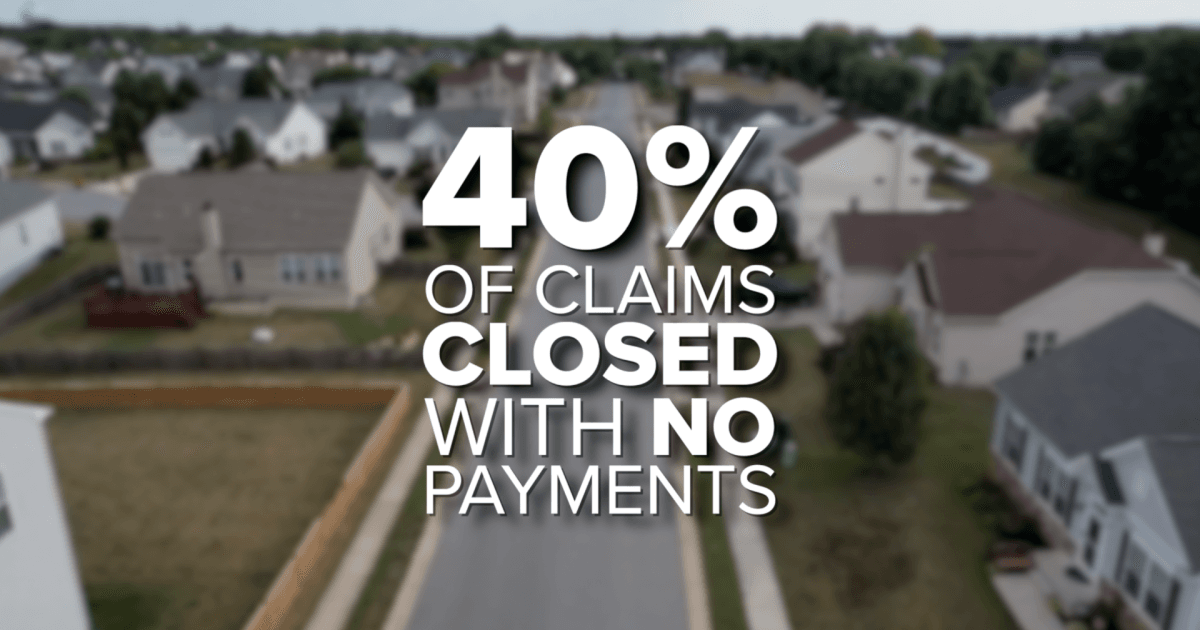
Florida homeowners are facing some of the highest insurance premiums in the nation, with average costs now topping $5,800 per year—about $3,000 above the U.S. average. Many residents report their rates have doubled or even tripled, while more than 40 percent of claims are closed with no payment. As frustration grows, state lawmakers and consumer advocates are pushing for transparency, rate caps, and incentives to help storm‑proof homes. The outcome of these reform efforts could reshape Florida’s real estate market, insurance landscape, and affordability for years to come.
A new global study from Risk.net and SAS reveals that many insurance companies are still making key decisions in isolated silos, despite industry-wide pushes toward data-driven strategies. While most leaders claim to have a clear vision, 38 percent admit they lack a real-time view of risks, revenue and costs. With poor data quality, limited collaboration and outdated processes holding teams back, experts say the industry is poised for a major transformation through AI, analytics and unified strategy—offering lessons for professionals across insurance, real estate, finance and other regulated fields.
Atlanta’s housing market is shifting into a more balanced and predictable phase. Prices have leveled off, inventory has finally caught up, and mortgage rates are easing enough to bring buyers back into the game. With steady demand, growing listings, and only mild price corrections forecasted into 2026, Atlanta remains one of the Southeast’s strongest real estate markets for buyers, sellers, and investors alike.